
Examining Zambia’s Election Process: Is Democracy Thriving?
Examining Zambia’s Election Process
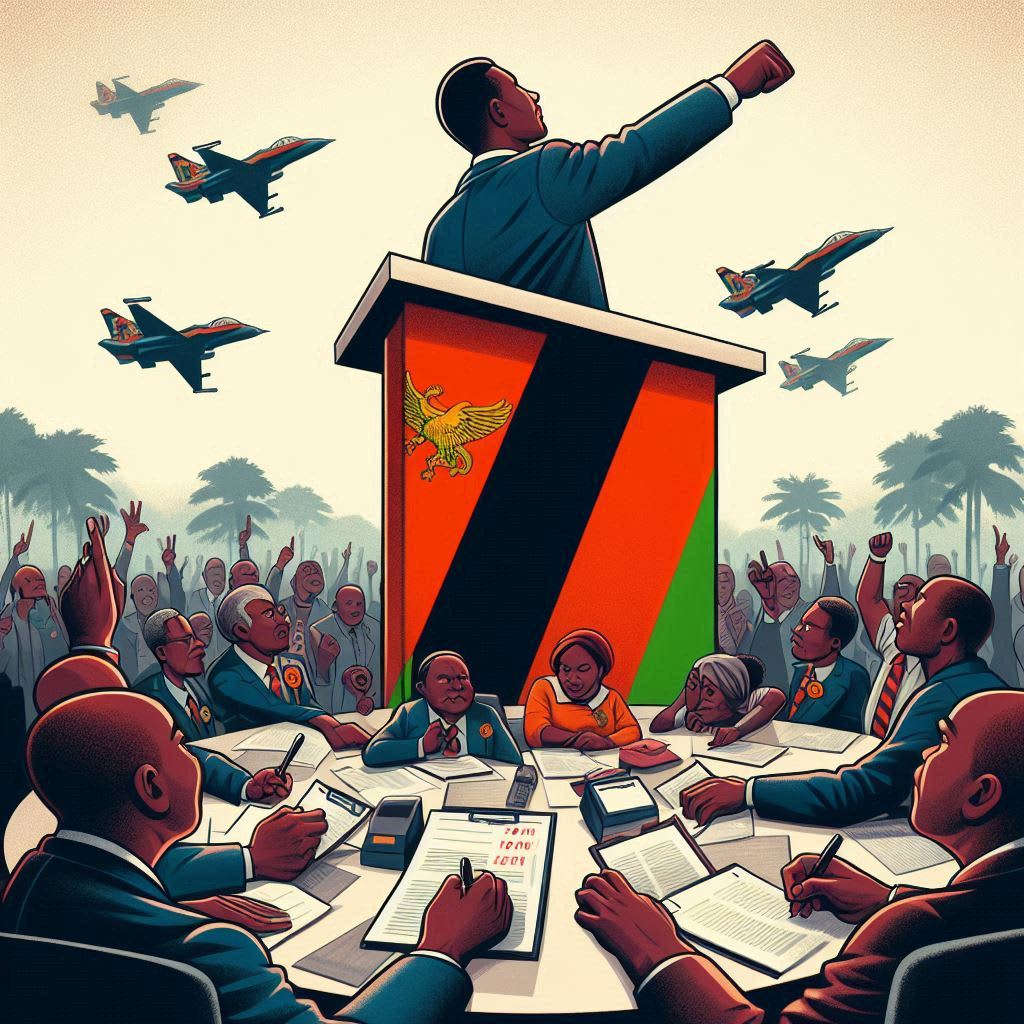
Zambia, a landlocked country in Southern Africa, has long been seen as a beacon of democracy in a region with a history of political turmoil. Since its independence in 1964, Zambia has held regular elections, transitioning from one party rule to multiparty democracy in the early 1990s. The country’s election process, particularly its commitment to democratic principles, has been a subject of both praise and criticism. As Zambia prepares for future elections, the question remains: Is Zambia's democracy thriving?
In this blog, we’ll explore the key aspects of Zambia’s election process, its challenges, successes, and the path forward for its democratic development.
The Foundation of Zambia’s Election Process
Zambia’s journey toward democracy began in earnest in 1991 when the country abandoned its one-party system and adopted a multiparty political framework. Since then, Zambia has held regular presidential, parliamentary, and local government elections, with the most recent being in 2021. The country's political landscape is dominated by two major parties: the Patriotic Front (PF) and the United Party for National Development (UPND), with several smaller parties also vying for influence.
The electoral process is managed by the Electoral Commission of Zambia (ECZ), which oversees the registration of voters, the conduct of elections, and the announcement of results. The process is based on a first-past-the-post system, where the candidate with the most votes wins, rather than a proportional representation system.
The Role of the Electoral Commission of Zambia (ECZ)
The Electoral Commission of Zambia plays a crucial role in ensuring the fairness and transparency of elections. It is responsible for voter registration, managing polling stations, organizing the vote, and counting ballots. The commission's independence is vital for the public's confidence in the process.
Over the years, the ECZ has introduced several reforms aimed at improving the electoral process, such as electronic voter registration and biometric data collection, which aim to reduce voter fraud and improve the accuracy of election results. However, concerns about the commission’s impartiality and capacity to manage increasingly complex elections have persisted. Some critics argue that the ECZ is sometimes perceived as being influenced by the ruling government, particularly during election periods.
Voter Participation and Engagement
One of the hallmarks of Zambia’s democracy is its vibrant political engagement, particularly during election seasons. Voter turnout is consistently high, often reaching above 70%, which reflects the country’s active democratic participation.
The country’s youth, who make up a large portion of the electorate, have become increasingly vocal in shaping political discourse. In the 2021 elections, youth-led movements played a significant role in challenging the political status quo, leading to a historic shift in leadership. Voter education initiatives have also been strengthened in recent years to ensure that citizens, especially in rural areas, understand the voting process and their rights.
However, issues like voter apathy, particularly in non-election years, and the challenge of informing the electorate about complex policies remain significant hurdles.
Election Challenges: Fraud, Violence, and Integrity
While Zambia’s election process has generally been peaceful, it has not been without its challenges. Election-related violence, often spurred by intense political rivalry, remains a concern. During the 2021 elections, for example, there were reports of clashes between political party supporters, particularly in urban areas, despite efforts to maintain peace.
The issue of election fraud has also been a recurring concern. While Zambia’s elections are generally considered free and fair, allegations of vote-buying, manipulation of the voter register, and irregularities in the ballot counting process have surfaced over the years. The 2016 elections, for example, were marred by allegations of voter rigging and the lack of transparency in the tallying of results. Such controversies can undermine public trust in the electoral system.
In recent years, the ECZ has worked to address these issues by implementing biometric voter registration and strengthening the process of result transmission, but skepticism remains among certain sectors of the population about the integrity of the election process.
The 2021 Elections: A Turning Point?
The 2021 Zambian general elections were seen as a watershed moment for the country’s democracy. After a highly contested race, opposition leader Hakainde Hichilema of the United Party for National Development (UPND) emerged victorious, ending the Patriotic Front’s nearly 10-year rule under President Edgar Lungu. The peaceful transition of power was a significant milestone in Zambia’s democratic journey, as it demonstrated that power could change hands through the ballot box, not through violence or military intervention.
The 2021 elections were also notable for their focus on electoral reforms, with improvements made to the voter registration process and enhanced transparency during the vote-counting phase. However, the aftermath of the elections saw accusations from the losing party, the PF, about irregularities in the electoral process, highlighting the ongoing concerns about fairness and the credibility of Zambia’s elections.
Key Issues Affecting Zambia’s Democracy
While Zambia's democracy is progressing, several issues need to be addressed for it to thrive fully:
Political Polarization: Zambia's political landscape remains highly polarized, with political parties often resorting to confrontational tactics. This divisiveness can undermine social cohesion and foster tension during election cycles.
Electoral Integrity: While Zambia’s elections are generally seen as free, there are persistent concerns about voter fraud, election manipulation, and the lack of trust in the electoral process. Ensuring electoral integrity and fairness is crucial for the health of Zambia’s democracy.
Press Freedom and Political Accountability: Media freedom and political accountability are essential components of a thriving democracy. Zambia’s media landscape has faced increasing pressure, with journalists sometimes targeted for reporting on sensitive political matters. Strengthening press freedom and ensuring that political leaders are held accountable for their actions will improve the country’s democratic institutions.
Voter Education: Although voter participation is high, Zambia needs continued efforts to educate its electorate on the importance of voting, democratic rights, and the need to hold elected officials accountable.
Conclusion: Is Zambia’s Democracy Thriving?
Zambia’s democratic process has made significant strides since its transition to a multiparty system in the 1990s. Elections have become more transparent, voter participation remains high, and peaceful transitions of power, such as in 2021, have proven that Zambia’s democracy is resilient.
However, challenges remain, particularly around electoral integrity, political violence, and ensuring that all citizens have equal access to the political process. The road ahead for Zambia’s democracy involves continuous reform, improved electoral systems, and fostering a more united political culture.
In conclusion, Zambia’s democracy is on a positive trajectory, but for it to thrive in the long term, it will require concerted efforts to address systemic issues, build public trust, and strengthen the democratic process from within.
About the Creator
Mutale Ngoma
Passionate about politics and staying informed on global events. I enjoy discussing current affairs, exploring different perspectives, and staying updated on the latest news shaping the world.
Keep reading
More stories from Mutale Ngoma and writers in Writers and other communities.
A Day in the Life: Exploring Rural Communities in Zambia
Zambia is known for its breathtaking landscapes, iconic wildlife, and vibrant cities, but it’s in the rural communities where you can truly feel the heartbeat of the nation. These communities offer a glimpse into traditional Zambian lifestyles, customs, and daily routines that have remained unchanged for generations. Spending a day in rural Zambia is a chance to step back in time and experience life at a slower, more connected pace. Let’s walk through a typical day in a rural Zambian village.
By Mutale Ngomaabout a year ago in Journal




Comments
There are no comments for this story
Be the first to respond and start the conversation.