
A Day in the Life: Exploring Rural Communities in Zambia
A Day in the Life

Zambia is known for its breathtaking landscapes, iconic wildlife, and vibrant cities, but it’s in the rural communities where you can truly feel the heartbeat of the nation. These communities offer a glimpse into traditional Zambian lifestyles, customs, and daily routines that have remained unchanged for generations. Spending a day in rural Zambia is a chance to step back in time and experience life at a slower, more connected pace. Let’s walk through a typical day in a rural Zambian village.
Morning: Greeting the Day with Tradition and Warmth
In rural Zambia, mornings begin early. As the sun rises, the village comes alive with the sounds of animals stirring, children laughing, and adults heading out to start the day’s work. In many Zambian communities, agriculture is the primary occupation, and families rely on the land to sustain themselves. Men and women begin their day by tending to their fields, which are often filled with maize, cassava, groundnuts, or millet.
Breakfast usually consists of simple, wholesome foods. One common breakfast item is chibwantu, a traditional fermented maize drink, or porridge made from cassava flour. This energy-rich meal provides sustenance for the hard work ahead. Community life is deeply intertwined here—neighbors greet each other with warmth, and hospitality is extended to every guest.
Mid-Morning: Daily Chores and Craftsmanship
By mid-morning, the community is bustling with activity. Women gather water from local wells or streams, a vital and often communal task. Water is essential for drinking, cooking, and washing, and the responsibility typically falls to women and children, who carry large buckets balanced on their heads with remarkable skill.
In addition to farming, many people engage in traditional crafts. In some villages, you’ll find women weaving baskets from local grasses or men crafting tools, furniture, or intricate carvings from wood. The skills involved in these crafts are often passed down through generations, preserving techniques and traditions that are unique to Zambian culture. If you’re visiting, it’s an excellent time to see artisans at work and maybe even purchase a beautifully handmade souvenir.
Lunch: Sharing a Meal Together
Zambians are known for their hospitality, and meals are often a communal affair. Lunch might include nshima, a staple food made from ground maize, similar to polenta, which is served alongside vegetables, fish, or beans. The process of making nshima is an art in itself—it’s stirred by hand in large, heavy pots over open fires.
Eating is a communal and humble experience. Guests are often served first, and food is shared from a central plate, symbolizing unity and togetherness. Sharing meals fosters a strong sense of community, and guests quickly feel like family.
Afternoon: Education and Social Activities
After lunch, the children attend school, often walking several miles to reach the nearest classroom. Education is highly valued, but access to schools can be limited in rural areas. Despite challenges, teachers are passionate, and parents are dedicated to giving their children the opportunity to learn and build a better future.
For adults, afternoons are often spent completing remaining chores or attending community gatherings. Social interactions and community meetings are integral to rural life. Villagers frequently discuss matters of local concern, such as crop conditions, health initiatives, or social events. Many rural areas are tight-knit, and decisions are often made collectively, with elders playing a respected role in guiding the community.
Evening: Relaxation and Stories Around the Fire
Evenings are a time for relaxation and storytelling. As the sun sets, families gather around fires to unwind. Storytelling is an essential part of Zambian culture, especially in rural areas where oral traditions have long been used to pass down history, lessons, and wisdom. Elders tell tales of folklore and ancestors, keeping cultural knowledge alive for the younger generation. This shared time strengthens bonds, and laughter and music often fill the air.
Traditional instruments like the kalimba (thumb piano) or ngoma drums might make an appearance. Music is a communal activity, and villagers are quick to join in with singing and dancing. The rhythm of these songs reflects the spirit and heritage of the community and is a beautiful way for visitors to experience the joy and resilience of Zambian culture.
Night: Preparing for Tomorrow
The day winds down early in rural Zambia, as many villages have limited or no access to electricity. Kerosene lamps and fires provide a gentle glow, casting long shadows across the village as people retire to their homes.
Before bed, families often talk about their hopes for the next day, the health of their crops, or dreams for their children’s future. Life here may seem simple, but it’s rich in tradition, close-knit relationships, and a deep respect for nature and community.
Embracing the Rural Zambian Spirit
Spending a day in rural Zambia reveals the beauty of simplicity, connection, and culture that thrives here. Life may lack the conveniences of the city, but it’s filled with richness that’s hard to find elsewhere. Rural communities in Zambia show a different side of life, one that values tradition, family, and the land. For travelers, it’s a humbling and heartwarming experience—a reminder that the most meaningful things in life often come from the simplest moments shared together.
A visit to rural Zambia is not only an exploration of a place but also an encounter with a way of life that cherishes people and traditions.
About the Creator
Mutale Ngoma
Passionate about politics and staying informed on global events. I enjoy discussing current affairs, exploring different perspectives, and staying updated on the latest news shaping the world.
Keep reading
More stories from Mutale Ngoma and writers in Journal and other communities.
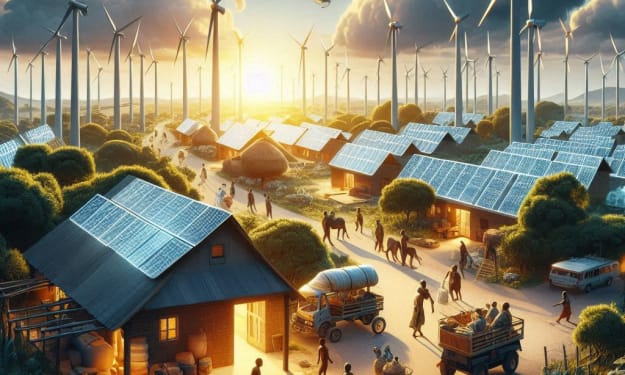
How Renewable Energy is Transforming Zambia’s Rural Communities
In recent years, Zambia has made significant strides in embracing renewable energy as a sustainable solution to its power needs, especially in rural areas. Over 60% of Zambia’s population lives in rural communities, where access to the national power grid is limited or non-existent. Renewable energy is bridging this gap, offering these communities a reliable, sustainable, and cost-effective alternative to traditional energy sources. Here’s a closer look at how renewable energy is transforming Zambia’s rural areas, empowering local economies, and enhancing the quality of life.
By Mutale Ngomaabout a year ago in Journal
So You Decided To Become a Nurse Practitioner:
So you decided to become an "Advanced Practice" nurse. Congratulations!... is what I would say if this was a good idea. Grad school? In this economy? What were you thinking? Likely it was something along the lines of either 1) “I've seen these other chucklefucks do it— Why can't I?” or even 2) “I've got a nice career, I should shake it up. I miss feeling like I have no clue what I'm doing.”
By Sandor Szabo8 days ago in Fiction


Comments
There are no comments for this story
Be the first to respond and start the conversation.