
Everything You Need to Know About Chimney Flashing
Chimney flashing
Chimneys add charm to homes, but maintaining them is crucial to prevent future headaches. One aspect often overlooked is chimney flashing. If you’re unfamiliar with this term, don’t worry—we’ll break it down for you, explain its importance, and guide you on how to ensure it stays in top-notch condition.
Whether you're a homeowner or a professional contractor, understanding chimney flashing can save you time, money, and stress.
What Is Chimney Flashing?
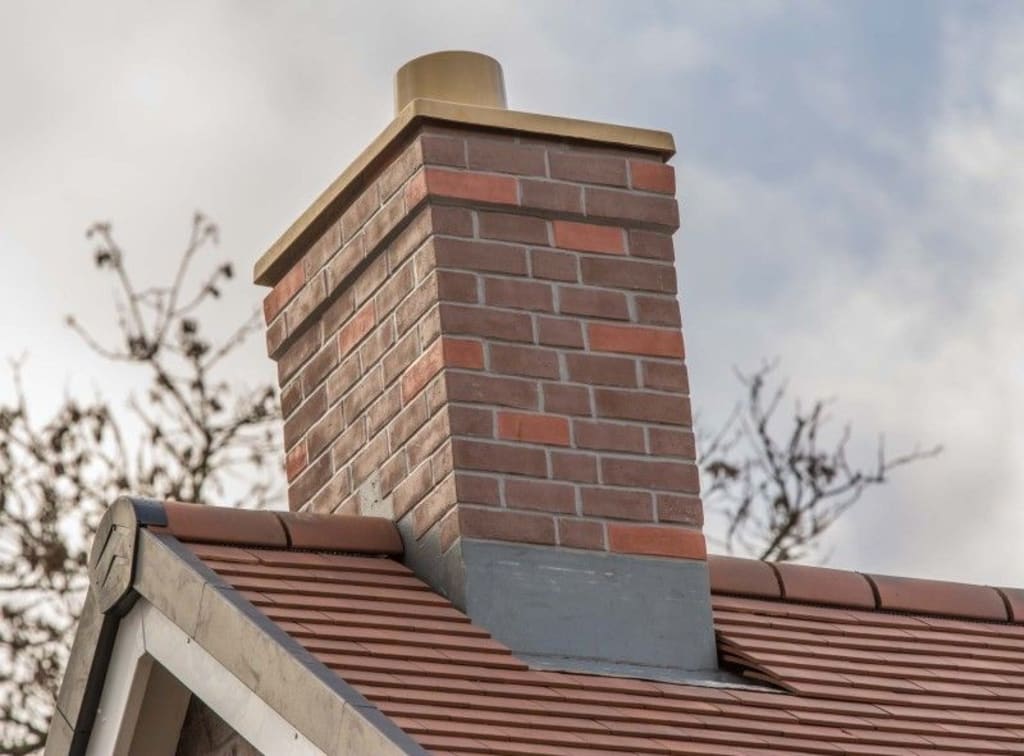
Chimney flashing is a waterproof barrier that seals the gap between your chimney and roof. Its primary job is to keep water from entering your home through this critical intersection. Flashing is usually made from materials like aluminum, copper, or galvanized steel, and it is designed to withstand harsh weather conditions.
When properly installed, chimney flashing ensures that rain, melted snow, and other moisture don’t seep into your roof or home. Without it, you could face problems such as roof leaks, wood rot, or even structural damage.
Why Is Chimney Flashing Important?
Water is one of the biggest enemies of your home. Even small cracks or weak flashing can lead to serious problems over time. Here's why chimney flashing is absolutely essential:
1. Prevents Water Damage
An unprotected gap between the roof and chimney allows water to seep in, weakening the structure over time. Flashing acts as a guard to protect your home from water infiltration.
2. Enhances Roof Longevity
By stopping water from penetrating the roof, it helps extend the life of your roofing materials, saving you from costly repairs.
3. Maintains Insulation
Water entering your chimney or roof area compromises insulation, leading to higher energy bills. Proper flashing keeps your home energy-efficient.
4. Preserves Structural Integrity
Over time, unchecked moisture can weaken not just the chimney but also the surrounding walls and roof structure.
Different Types of Chimney Flashing
Understanding the types of flashing will help you make informed decisions if you're planning repairs or replacements. The most common options include:
Step Flashing: Small, rectangular pieces of metal installed in a staircase-like pattern along the chimney's edges. It works well for sloped roofs.
Counter Flashing: Installed over the top of step flashing, counter flashing adds an extra layer of protection by directing water away.
Chimney Lead Flashing: One of the most durable options, chimney lead flashing is commonly used because lead is flexible and long-lasting. It can mold to the shape of your chimney, offering a snug fit and excellent waterproofing.
When choosing a type, always consider your roofing material, budget, and area climate.
Signs Your Chimney Flashing Needs to Be Repaired
Chimney flashing can deteriorate over time due to weather changes, poor installation, or aging materials. Watch out for these red flags:
1. Visible Rust or Corrosion
Metal flashing, like lead or aluminum, may rust over time. Rust compromises its performance and warrants immediate repair.
2. Water Stains on Ceilings or Walls
If you notice water marks in areas near your chimney, there's a good chance your flashing has failed.
3. Loose or Detached Flashing
Strong winds or storms can loosen flashing. Even small gaps can lead to big problems if not addressed.
4. Leaking During Rainstorms
If water drips into your fireplace or near your chimney during heavy rain, it’s a clear sign you need to **fix chimney flashing** as soon as possible.
How to Fix Chimney Flashing
While you might be tempted to DIY, repairing or replacing chimney flashing is a specialized job best left to professionals. Here’s a basic rundown of what it involves:
1. Inspection
A professional will first assess the condition of your flashing to determine whether it needs a quick repair or full replacement.
2. Cleaning
Any debris or old sealant will be removed to ensure a clean, solid base for the new flashing.
3. Installation or Repair
Damaged sections will be replaced, and proper sealing materials like roofing cement or caulk will be applied to ensure a watertight seal.
4. Painting or Finishing
To protect the new flashing from corrosion, many pros add a finishing touch, such as painting it to match your existing structure.
Trust the Professionals
When it comes to something as important as your home’s structure, hiring a professional roofing company can make all the difference. At Ark Roofing, we specialize in repairing and installing chimney flashing, including high-quality chimney lead flashing options. Our experienced team ensures a thorough and durable job every time, so you don’t have to worry about leaks or future damage.
Contact Ark Roofing to inspect, replace, or fix chimney flashing today—we’ll keep your home safe and sound no matter the weather.
Final Thoughts
Your chimney is more than just a decorative part of your home. Keeping it in good condition, especially with properly installed **chimney flashing**, protects your home from costly water damage and ensures peace of mind. If you notice signs of wear or damage, don’t delay the repairs. And remember, for trustworthy service and expert craftsmanship, the team at Ark Roofing is here to help.
About the Creator
Roofer Warrington
Get top-quality roofing services in Warrington with expert repairs, installations, and maintenance. Call 01925 568390 for a free quote and trusted service.
Keep reading
More stories from Roofer Warrington and writers in Writers and other communities.
Everything You Need to Know About Conservatory Roof Conversion
Conservatories are an excellent way to add extra living space to a home while inviting in natural light and creating a connection with the outdoors. However, they can present challenges when it comes to temperature regulation, noise levels, and energy efficiency. For homeowners in search of a more comfortable and functional solution, conservatory roof conversion has become a popular choice. This blog explores the process, benefits, and key considerations surrounding conservatory roof conversions.
By Roofer Warrington10 months ago in Writers
Preservation for Eternal Impact
It is easy to feel as though most of what is said disappears. Words are spoken, written, posted, argued over, and then quickly buried beneath the next wave of noise. Attention moves on. Platforms refresh. What once felt urgent becomes invisible. In that environment, a quiet but persistent question emerges. What actually lasts. And more uncomfortably, what is worth preserving when so much seems to vanish without consequence.
By Peter Thwing - Host of the FST Podcast4 days ago in Writers




Comments
There are no comments for this story
Be the first to respond and start the conversation.