
Everything You Need to Know About Conservatory Roof Conversion
Conservatory Roof Conversion
Conservatories are an excellent way to add extra living space to a home while inviting in natural light and creating a connection with the outdoors. However, they can present challenges when it comes to temperature regulation, noise levels, and energy efficiency. For homeowners in search of a more comfortable and functional solution, conservatory roof conversion has become a popular choice. This blog explores the process, benefits, and key considerations surrounding conservatory roof conversions.
What is Conservatory Roof Conversion?
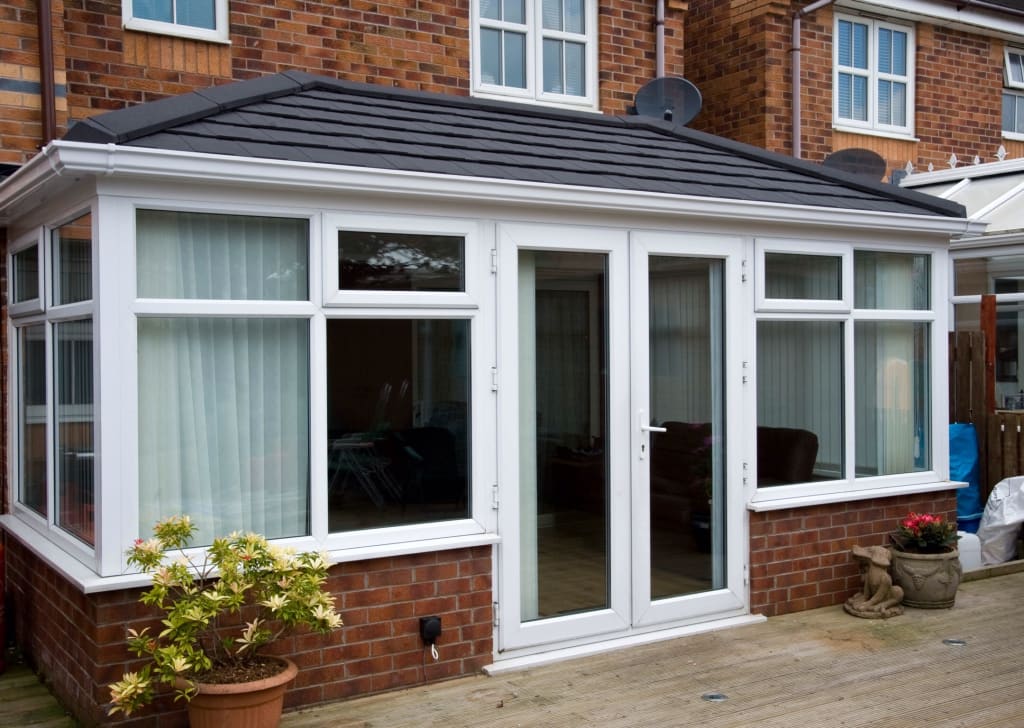
A conservatory roof conversion involves replacing the existing glazing (glass or polycarbonate) with a more solid and insulated roofing system. Modern solutions often include tiled or lightweight roofing materials designed to improve thermal performance and overall comfort. A conservatory tiled roof conversion, in particular, has become a favored option due to its ability to blend seamlessly with the rest of the house while providing enhanced insulation.
Why Consider a Conservatory Roof Conversion?
Upgrading your conservatory roof can transform it into a year-round living space. Here are some of the primary reasons why homeowners opt for this renovation:
1. Improved Insulation
Traditional conservatories with glass or polycarbonate roofs often suffer from heat loss in winter and overheating in summer. Switching to an insulated roofing system helps regulate indoor temperature, making the space comfortable throughout the year.
2. Energy Efficiency
With better insulation, your conservatory becomes more energy-efficient, reducing the need for heating or cooling. This can lead to significant savings on energy bills over time.
3. Noise Reduction
Conservatories with solid roofs are better at reducing noise from external sources, such as rain, traffic, or nearby activities, allowing for a quieter indoor environment.
4. Aesthetic Appeal
A conservatory tiled roof conversion can enhance the overall look of your home. Tiled roofs are often designed to match the existing roofing style, offering a cohesive and polished appearance.
5. Increased Property Value
A well-maintained, year-round functional conservatory can boost the market value of your property. Potential buyers are more likely to see the space as a valuable extension rather than an underutilized room.
What’s the Process of a Conservatory Roof Conversion?
The process of converting a conservatory roof involves a few key steps, which may vary slightly depending on your specific circumstances and service provider. Here's a general overview:
1. Assessment and Planning
A professional inspection of your existing conservatory is essential to determine the suitability of the structure for a roof conversion. This includes assessing its foundation, frame strength, and drainage system. Planning permissions may not always be required, but it’s important to check with local authorities to ensure compliance with building regulations.
2. Choosing the Right Materials
Tiled roofs are a popular choice for their durability and aesthetic appeal. However, lightweight alternatives such as synthetic tiles or structured panels are also available. Your choice of materials should factor in climate conditions, structural compatibility, and personal preferences.
3. Removal of the Old Roof
The original glass or polycarbonate roof is carefully dismantled and removed to prepare for the new installation.
4. Installation of the New Roof System
The new roof is built with insulated panels, tiles, and any necessary structural reinforcements. Roof lights or skylights can also be added at this stage to maintain natural lighting if desired.
5. Internal Finishing
Once the roof is installed, finishing touches such as plastering, painting, or adding LED spotlights can be done to personalize the interior of the space.
Considerations for Homeowners
When planning a conservatory roof conversion, it’s crucial to take some key factors into account:
Structural Feasibility: Not all conservatory frames are designed to support a solid roof. Make sure your structure can handle the weight and stress of the new roofing material.
Ventilation and Lighting: A solid roof may reduce natural light and ventilation compared to a glass roof. Consider integrating roof vents or skylights to maintain airflow and brightness.
Building Regulations Compliance: Some roof conversions may require compliance with building regulations, particularly if the conversion significantly impacts the structure’s thermal performance or load-bearing capacity.
Choosing the Right Service Provider
Working with experienced professionals is crucial for a successful conversion. If you’re looking for conservatory roof conversion in Warrington, reputable companies like Ark Roofing offer expert services to ensure a safe and high-quality installation.
Final Thoughts
Conservatory roof conversion is a smart investment for homeowners looking to maximize the usability and comfort of their space. Whether you’re seeking better insulation, aesthetic improvements, or improved energy efficiency, upgrading to a solid or tiled roof can make a world of difference. For those in Warrington, reaching out to knowledgeable professionals like Ark Roofing ensures the job is done to the highest standards, giving you a year-round living space that truly enhances your home.
If you're considering this transformation, take the time to assess your needs, explore the best options, and consult with experts to achieve the ideal solution for your conservatory.
About the Creator
Roofer Warrington
Get top-quality roofing services in Warrington with expert repairs, installations, and maintenance. Call 01925 568390 for a free quote and trusted service.
Keep reading
More stories from Roofer Warrington and writers in Writers and other communities.
Garage Roofing Services in Warrington – Your Trusted Choice for a Perfect Roof
When you think of your garage, you might picture a secure space for your vehicles, tools, or storage. But have you thought about what literally tops it off? Yes, we’re talking about your garage roofing. A sturdy, well-maintained garage roof is vital for protecting everything inside from Warrington's unpredictable weather. If you need advice, repairs, or even a full roof replacement, don't worry—we're here to help.
By Roofer Warrington9 months ago in Writers
It's Winter
Anne Bernays and Pamela Painter — What If? Writing Exercise for Fiction Writers prompts The Exercise —Write a scene involving two characters. Have the point-of-view character presume something entirely different about the situation from what the other character's overt behavior seems to imply. For example, a landlord comes to visit, and the tenant suspects that it isn't a visit but an inspection. Make up several situations in which one character can fantasize or project or suspect or even fear what another character is thinking. The Objective - To show how your characters can use their imaginations to interpret the behavior and dialogue of other characters.
By Denise E Lindquist30 days ago in Writers


Comments
There are no comments for this story
Be the first to respond and start the conversation.