
Essential Tips to Manage a Flat Tire in Winter Conditions
Know how to manage a flat tire in winter. Stay safe with expert advice on changing tires, avoiding mistakes, and call a flat tire repair shop for help.

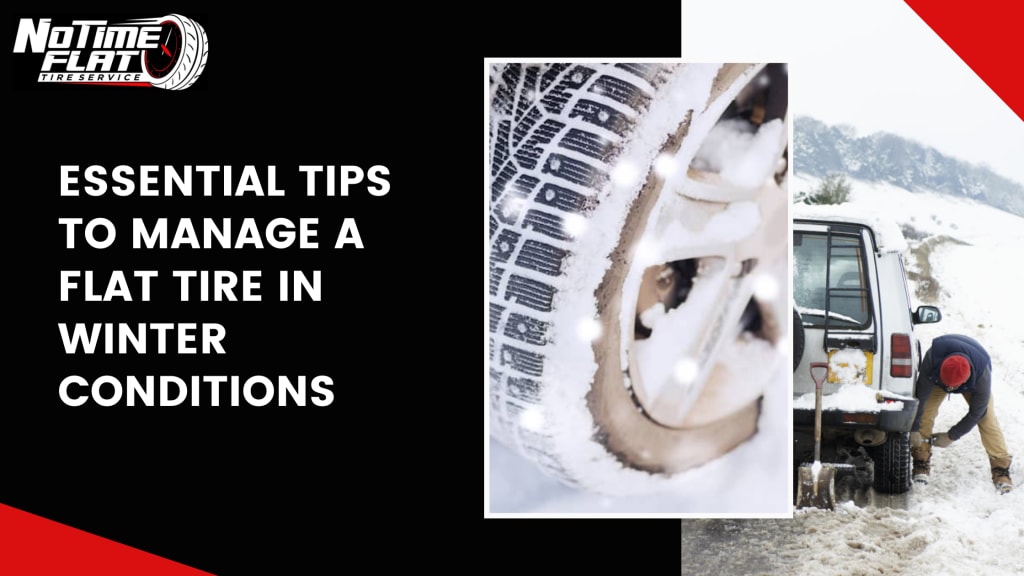
Winter sometimes brings unexpected surprises, especially when your vehicle faces a flat tire situation. As temperatures drop, tires are at a higher risk of punctures, and getting stranded in icy conditions can be a real nightmare.
Just imagine: you're stuck in the snow, and all you want is to get home safely. Like that classic scene from "A Christmas Story," flat tires can turn a fun winter outing into a frustrating experience. Luckily, many winter flats can be avoided with the right season tires.
But, if you find yourself with a flat, getting assistance from a reliable flat tire repair shop can save the day. This article discusses essential tips to help you handle a flat tire in winter, ensuring your journeys remain smooth and secure.
What to Do When You Get a Flat Tire in Winter?
If you see that your tire is losing air or has gone flat during winter, staying calm and following these important steps is essential. Start by turning on your hazard lights to alert other drivers. Carefully guide your vehicle to the side of the road or into a safe parking area. Make sure everyone exits the vehicle on the side away from traffic and puts on high-visibility vests for safety. Use a warning triangle to signal your situation and turn off the engine.
Inspect the tire to see if you can change it yourself or if you need assistance. If you have a spare tire available, make sure you're on a level surface and follow your vehicle's manual for instructions. If changing the tire isn't an option, don't hesitate to call roadside assistance or use a tire repair kit if you have one.
Mistakes to Avoid on the Highway
When dealing with a flat tire situation on the highway, there are several mistakes you should steer clear of to ensure your safety. You must never brake or steer suddenly, as this can cause a loss of control. Always find a safe area to stop before exiting your vehicle. It's also important not to drive on a flat tire, as this causes further damage to the tire or rim.
If you have a spare tire, remember it's meant for limited speeds and distances—usually around 80 km/h for about 80 km—so only drive as far as necessary to reach a service center. Check your tire pressure regularly. Proper tire pressure is key for safe driving and can greatly reduce the risk of flat tires. Aim to check your tire pressure at least once a month and before any long trips.
Crucial Steps for Changing a Flat Tire in Winter Conditions
Changing a flat tire can be tough even in the best weather, but winter conditions add an extra layer of difficulty. Cold temperatures, snow, and ice might make the process challenging and dangerous if not carefully approached. Here are the steps on how to change a flat tire in winter:
1. Alert Other Drivers: Switch your hazard lights to ensure other drivers see you, especially since winter visibility can be poor. You might even need a flashlight during the day to ensure you're noticed.
2. Secure Your Vehicle: Put your vehicle in park and use the brake. It is crucial for safety, particularly on icy roads where your car could roll.
3. Check Your Spare Tire: Before removing the flat tire, inspect it to ensure it's in good condition, whether a full-size or temporary spare.
4. Loosen Lug Nuts: Loosen all the lug nuts while the tire is still on the ground. If you raise the vehicle first, the tire may spin, making it impossible to loosen the nuts properly.
5. Raise Your Vehicle Safely: Align the jack with your vehicle's frame and raise it until the flat tire is about half an inch off the ground. Use a jack stand and place blocks behind the downhill tires for added safety.
6. Replace the Flat Tire: Carefully swap the flat tire with your spare. Tighten each lug nut by hand before lowering the vehicle back to the ground.
7. Final Checks: Securely tighten all the lug nuts once your car is back on the road. Inspect your spare to ensure it's properly installed and ready for the journey ahead.
Additional Tips for Ensuring Your Spare Tire is Winter-Ready
Before you head out on the road, it's essential to check that your spare tire is in top condition during winter. Here's what you should keep an eye on:
Monitor Tire Pressure: Cold temperatures can cause tire air pressure to drop. Make sure to check the pressure of your spare tire with a Tire Pressure Monitoring System (TPMS) throughout the winter months.
Know the Speed Limits: Your spare tire will have speed limitations printed for your safety. In winter, it's vital to adhere to these limits. Unlike winter tires, temporary spares are not built to handle icy or snowy conditions, so drive cautiously.
Stay Alert on Slick Roads: Be extra careful when driving with a spare tire while car skidding in winter weather. Temporary spares are not designed for winter driving, so take it easy on slippery roads to avoid accidents.
When Should You Call a Flat Tire Roadside Assistance?
During winter, the cold & wet weather can make changing a tire more difficult than usual. If you find the lug nuts rusted and stuck, despite your best efforts with body weight and lubricant, it's perfectly okay to call for help. Quickly get expert assistance from roadside flat tire service providers. While you wait for the tow truck, have some supplies in your car to keep warm and comfortable.
If the flat was caused by tread wear, consider replacing all your tires and choosing run flat tires in winter for safety. It is also a great time to consider getting such dedicated snow tires, which offer better traction and handling in winter conditions. For a smooth tire buying experience, check out No Time Flat for a wide selection of all-season tires to keep your vehicle in the best shape.
Expert Assistance in Handling a Flat Tire in Winter!
Dealing with a flat tire during winter is a frustrating experience, but being prepared can make all the difference. By staying calm, securing your vehicle, and knowing when to call for roadside flat tire service, you can handle this challenge more easily.
Keeping your tires well-maintained as well as checking their condition regularly can help prevent blowouts before they happen. With these tips in mind, you'll be better equipped to handle any tire problems that come your way this winter. Stay safe and drive smart!
About the Creator
No Time Flat
Top-notch tire services and quality tires at No Time Flat in Jenison, MI. Whether you need tire installations, repairs, or maintenance, we've got you covered.
Keep reading
More stories from No Time Flat and writers in Wheel and other communities.
The Truth About Tire Repair: How Much Can a Tire Be Fixed
Tires are responsible for ensuring your safety on the road, acting as the important link between your vehicle and the pavement. They endure plenty of wear and tear from nails, curbs, and potholes, which can lead to flat tires. But how much damage can actually be repaired?
By No Time Flatabout a year ago in Wheel
5 Best Food Choices at Auto Shows
Attending an auto show is an exciting experience filled with gleaming vehicles, innovative technology, and hours of walking through massive exhibition halls. With so much to see, you need the right fuel to keep your energy levels high. Here are five of the best food choices to enjoy during your next auto show visit.
By Karter Odin4 days ago in Wheel
Self-Driving Cars
If you watched the 2004 Will Smith film ‘I Robot’, you’ll know that a minor plot point is that cars in this future are, by default, self-driving. They can still be driven manually, but this is considered a risky choice which only Smith’s character chooses to do, due to being a fan of such ‘retro’ choices. When his car is wrecked during an attack late in the film, his boss assumes that he crashed due to driving manually (the one time in the film he actually wasn’t). At the time of the film’s release, self-driving cars must have seemed hugely futuristic to help to sell the future setting.
By Joe Morgan3 days ago in Wheel
From ad men to mad men
It's after 2am in the morning when a local police patrol vehicle in Northern New Jersey spots a figure costumed as Quasimodo, The Hunchback of Notre Dame, proceeding southbound on the sidewalk along Lydecker Street. Though the hunchback’s costume stuffing offers added insulation, it's January, and friggin’ freezing. Carefully, the officers slow down, gently question the subject, and offer him a ride home.
By David W. Maury3 days ago in Humor

Comments
There are no comments for this story
Be the first to respond and start the conversation.