
The Truth About Tire Repair: How Much Can a Tire Be Fixed
Know about the requirement of tire repair services, including what types of damage fixed and when to replace tires for your safety on the road.

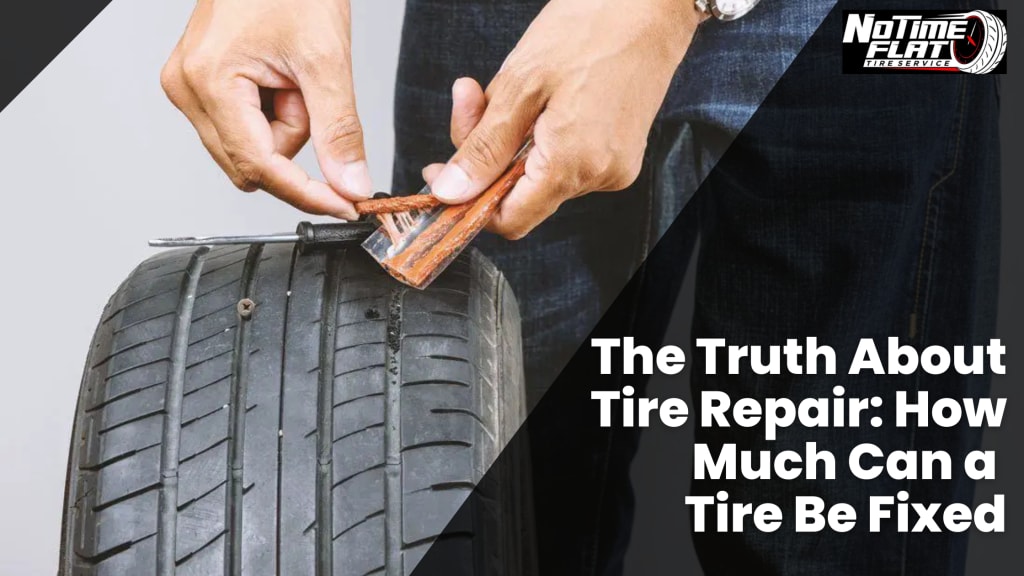
Tires are responsible for ensuring your safety on the road, acting as the important link between your vehicle and the pavement. They endure plenty of wear and tear from nails, curbs, and potholes, which can lead to flat tires. But how much damage can actually be repaired?
In this article, we'll know the limits of tire repair based on industry guidelines, including what types of damage can be repaired and what should be replaced. Knowing these details is crucial for getting tire repair services to keep your car's tires in good shape and ensure safe travels for you and your family.
Can Every Punctured Tire Be Fixed?
When we talk about flat tires, the answer isn't always straightforward. Not all punctured car tires can be repaired. When you take your tire in for a check-up, the technician will first examine the puncture's location and size to determine the best course of action.
Generally, if the puncture is on the tread and smaller than ¼ inch, it can be fixed. However, if there are multiple punctures close together, or if the damage is on the sidewall or shoulder, the tire likely needs to be replaced.
Getting a professional assessment to ensure your safety on the road is crucial. Remember, understanding whether your tire can be repaired is key to keeping your vehicle in top shape!
The Matter of Run-Flat Tires and Tires with Side Bubbles
Run-flat tires are specifically designed to keep you driving for a short distance even after losing air pressure, which is helpful in emergencies when you can't stop immediately. If you've driven on a run-flat tire with low air pressure (below 15 PSI), it may not be safe to repair, and you should consider replacing it, as its structure could be compromised.
Tires with sidewall bubbles indicate extreme damage and should be replaced immediately. These bubbles often result from hitting a curb or pothole, weakening the tire's structure. If you're unsure about your tire's condition, it's best to consult a tire care professional who can assess the damage and suggest whether a repair or replacement is necessary. Prioritizing tire safety is essential for your well-being on the road!
Can a Previously Repaired Tire Be Fixed Again?
Many drivers often ask if a tire that has already been patched or repaired can undergo further repairs in the future. The answer hinges on where the new damage occurs. If the new puncture is in a different location from the original repair and does not overlap, it may be possible to patch the tire again.
If the damage is close to or directly impacts the previously repaired area, replacing the tire is typically the safer choice to maintain road safety. To accurately determine if a tire can be repaired again, it's essential to consult a trained technician. They will evaluate the quality of the earlier repair and assess the tire's capacity to withstand another patch.
Remember that each repair slightly weakens the tire’s overall structure, and excessive repairs can pose considerable safety risks. By following industry guidelines and seeking professional advice, you will be able to make the right choices about getting tire repair services, prioritizing safety above all else.
Is It Safe to Use a Patched or Plugged Tire?
Using a tire that has been patched or plugged can be safe, provided the repair was completed properly. Improper tire installation of a patch or plug can lead to air leaks and even cause a blowout while driving. Therefore, it is highly advisable to have a qualified professional handle the repair according to established industry standards.
A well-executed repair helps maintain the tires for its structural integrity, allowing for safe driving. A skilled tire technician will follow clear steps to ensure the repair is reliable. Such a process involves removing the tire from the rim, cleaning the damaged area, and sealing it to prevent air loss.
Although a patched or plugged tire may carry a slightly high risk of failure compared to a brand-new tire, you can improve safety by keeping an eye out for warning signs, like air loss or unusual vibrations. If you experience any issues, it’s best to have the tire inspected by a professional to guarantee your safety while driving.
How Many Times Can a Tire Be Repaired?
Knowing the limitations of tire patching is required for safe driving. A tire can be patched up to three times, but it’s important to note that each patch weakens the tire’s overall structure. The more times a tire is repaired, the higher the risk of further damage or failure, which is why experts recommend replacing the tire after the third patch for safety reasons.
The main problem with multiple patches is the tire's compromised structural integrity. Each repair can cause uneven weight distribution, impacting your vehicle's performance and safety. Factors like the size and location of the damage also influence whether patching is a suitable option.
For example, small punctures in the tread can often be patched, but larger damages or those on the sidewall may necessitate replacing the tire. Always consult a professional at tire repair shop for an accurate assessment of whether patching is advisable or if it’s time for a new tire. Keeping your safety on the road as the top priority is essential!
Remember:
Tires with punctures larger than 1/4 inch or damage to the shoulder/sidewall may not be safely repairable and require replacement. Tires with tread depth below the recommended level should also be replaced, ideally by replacing all four tires at once.
Keep Your Tires Safe for a Smooth Ride!
Taking care of your tires is crucial for your safety and vehicle performance. Following guidelines from trusted sources, like the Tire Industry Association, ensures that repairs are done correctly. Regular tire rotations, ideally during oil changes, help maintain even tread wear as well as extend tire life.
Remember that puncture repairs should only be done on the crown section of the tire, and it's always best to have a professional evaluate any damage to decide whether repair or replacement is necessary.
Your tires are your vehicle's only connection to the road, so prioritize their safety by keeping them properly inflated and repaired. This way, with the help of a reputed tire repair shop you can enjoy a smoother and safer driving experience without risking yourself or your passengers.
About the Creator
No Time Flat
Top-notch tire services and quality tires at No Time Flat in Jenison, MI. Whether you need tire installations, repairs, or maintenance, we've got you covered.
Keep reading
More stories from No Time Flat and writers in Wheel and other communities.
Steps on Preparing Your Tires for Freezing Temperatures
Days are getting colder, so it's time to think about how the chilly weather can impact your tires. As winter rolls in, freezing temperatures can cause issues like lower tire pressure and less traction on icy roads. To keep your vehicle safe as well as running smoothly, it's essential to prepare your tires now. Quality winter tires can make a huge difference in keeping you safe and secure while driving in harsh conditions.
By No Time Flatabout a year ago in Wheel
Road Trips and the Reality of Animal Collisions
Road trips — what can be a better way to enjoy a holiday? Get together with your family or friends, pack all your things in your SUV or a van, load up some music you like, and set off for a big adventure. Driving through highways, watching the scenery change with little towns and mountains flying by.
By Michal Grayenabout 6 hours ago in Wheel
My First Time Skiing and I Got Lost, Alone, in the French Alps
Looking back, I can trace some of my life’s biggest adventures to a simple action from my sister. She’d introduced me to Tommy (a very long time ago), a colleague of hers, who had overshared his penchant for Italian-looking women, and I ticked that box.
By Chantal Christie Weissabout 8 hours ago in Humans




Comments
There are no comments for this story
Be the first to respond and start the conversation.