
Top Tips to Prevent Car Skidding in Winter Weather
Stay safe this winter knowing the causes and tips to prevent car skidding. Know how routine tire services to maintain traction and smart driving handles icy roads.

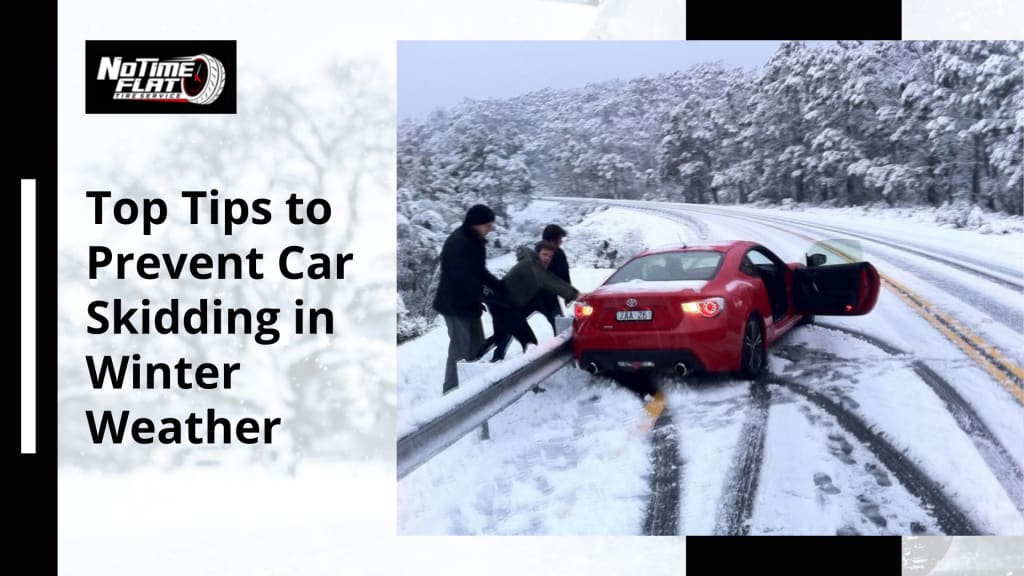
Winter driving is far beyond getting from point A to point B; it’s about safely handling icy and snow-covered roads. One major risk during this time is car skidding, which can be frightening and dangerous. Have you ever experienced your car slipping unexpectedly? That feeling of losing control, even for a moment, can risk accidents and damage to your vehicle. Knowing what causes skids—like slippery surfaces, worn-out tires, and sudden stops—is important for your safety.
Routine tire services ensure your tires are ready for winter conditions. In this post, you will know why car skidding happens and tips to help you prevent your car from skidding. With the right knowledge and well-maintained tires, you can drive with confidence this winter and stay safe on those slippery roads. Keep reading how to make your winter driving experience smoother and more secure!
The Basic Meaning of Car Skidding
Car skidding is a situation when a vehicle loses traction between its tires and the road, leading to a loss of control. It can happen when the road is wet, icy, or covered in snow, making it difficult for drivers to steer or stop effectively. When a car skids, it may slide uncontrollably, increasing the risk of collisions with other vehicles or obstacles on the road. Skidding also affects braking, resulting in longer stopping distances and a higher chance of accidents. In winter conditions, the risk of skidding is even greater due to reduced tire grip on slippery surfaces. Having the proper knowledge about car skidding is essential for staying safe and avoiding dangerous situations on the road.
Key Factors That Cause Car Skidding in Winter
Knowing the reasons behind car skidding is crucial for safe winter driving. Various factors can contribute to skidding, and being aware of them helps you take the right precautions. Here are common causes of car skidding in winter:
- Ice and Snow on the Road: Car skidding in snow often occurs when roads are covered with ice or packed snow, which reduces the friction between tires and the road. This lack of grip makes it easier for tires to slip and slide, leading to skidding. Ice creates a very smooth surface that can be especially dangerous for drivers.
- Lack of Tire Traction: In cold winter weather, even without ice or snow, tire traction can be lower. Cold temperatures harden the rubber in tires, reducing their ability to grip the road. Prepare your tires for freezing temperatures such that they lose control, especially during quick turns or sudden stops.
- Incorrect Braking Methods: How you brake can greatly affect your control over the vehicle. Pressing the brake pedal too hard can cause the wheels to lock up which leads to skidding. It's important to brake gently to allow your vehicle’s anti-lock braking system (ABS) to work properly, if available.
- Too Much Speed: Driving fast in winter conditions increases the chances of skidding. High speeds, especially on slippery curves, can prevent tires from gripping the road effectively. Always adjust your speed to fit the road conditions and maintain safe control.
- Imbalanced Weight in the Vehicle: The way weight is distributed in your vehicle can affect its stability. Overloading or unevenly loading your car can lead to a loss of balance, reducing tire grip on the road. Ensure your vehicle is loaded properly, especially during winter driving.
- Worn Out Tires: Tires that are worn down or have little tread cannot hold onto the road properly, increasing the risk of skidding. Regularly check your tires for wear as well as replace them when needed to ensure better traction and safety while driving.
Effects of Car Skidding You Must Know
Car skidding can have serious consequences for drivers and others on the road. One of the main effects is the loss of control; when a vehicle skids, the tires lose grip, making it a hassle for the driver to steer correctly. This can lead to unpredictable movements that increase the risk of accidents, as it evolves harder to avoid collisions with other cars, objects, or pedestrians.
Car skidding causes injuries to the driver and passengers, as occupants may be thrown around inside the vehicle, leading to bumps, bruises, or more serious injuries from hitting hard surfaces.
Useful Tips to Prevent Car Skidding
To keep your vehicle from skidding, it's important to follow some practical tips and preventive measures. With proper steps, you can improve your safety and control while driving, especially in winter conditions. Here are some effective strategies to help you prevent skidding:
1. Prefer Winter Tires and Maintain Them
Make sure your car is fitted with winter tires that are designed to offer better grip on snow and ice. These tires available at online tire store have special tread patterns and rubber that perform well in cold weather. Always let a tire repair shop expert check that your tires have enough tread depth and are properly inflated. Regularly monitor tire pressure and condition to ensure you have the best traction possible.
2. Practice Safe Driving Habits
Embrace safe driving techniques to lower the chance of skidding. Keep a safe distance from the car in front of you, especially in winter weather. Avoid sudden movements like sharp turns or quick lane changes, which can cause you to lose control. Use smooth and gentle steering, braking, and accelerating to help maintain traction.
3. Adjust Your Speed to Match Road Conditions
Stay calm and don't panic if driving conditions become tricky. Speeding will only increase the risk of skidding, so it's wise to slow down. Reduce your speed to match the road conditions, particularly in winter. Driving at a slower pace lets you maintain better control and gives you more time to react to any unexpected hazards. Remember, it takes longer to stop on slippery roads, so keep a safe distance from the vehicle ahead and avoid sudden stops.
4. Stay Alert for Hazards
Be proactive and alert while driving to spot any possible threats on the road. Look out for icy spots, snow piles, or areas where traction is reduced like shaded sections or bridge surfaces. Whenever possible, change your route to avoid these dangers. By keeping your eyes on the road ahead, you can anticipate risks and respond safely in time.
5. Use Traction Control Systems Wisely
Many modern cars come with traction control systems to prevent skidding. Take the time to understand how these systems work and what they can do for you. These systems reduce wheel spin and improve grip by automatically adjusting how much power goes to the wheels. Ensure that your traction control system is functioning well and be ready to use it when needed.
Steps to Take If Your Car Keeps Skidding
If your car starts to skid, it’s important to remain calm and focused. Follow the below steps:
- Keep a steady grip on the steering wheel and gently turn it in the direction the back of your car is sliding (for example: if the rear is sliding to the right, steer to the right).
- Avoid sudden braking or acceleration, as these can make the skid worse by destabilizing the vehicle.
- Gradually ease off the accelerator to help regain traction.
- Once your car stabilizes, start to straighten the steering wheel to regain control.
- After you have regained control, adjust your driving to match the road conditions by slowing down. Keep a safe distance from other vehicles as well as stay cautious when the road remains slippery.
Stay Safe and Avoid Car Skidding!
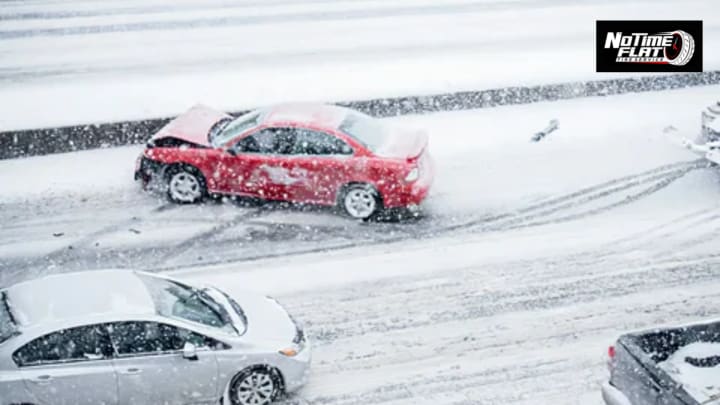
Car skidding can lead to serious problems like losing control, accidents, damage to your vehicle, and injuries to passengers. That’s why it’s necessary to take preventive steps for safe driving, especially in winter. Make sure to use winter tires and keep them maintained with the help of professional tire repair shop, practice safe driving habits, adjust your speed to match road conditions, and stay aware of risks.
Always prioritize safety and remain calm if you do start to skid. Knowing how to handle your vehicle in these situations can make a big difference. By being prepared and informed, you can give a safer driving experience for yourself and others on the road.
About the Creator
No Time Flat
Top-notch tire services and quality tires at No Time Flat in Jenison, MI. Whether you need tire installations, repairs, or maintenance, we've got you covered.
Keep reading
More stories from No Time Flat and writers in Wheel and other communities.
Be Prepared: Tools and Tips for Emergency Tire Repair
Emergencies can hit when you least expect them, especially while driving. A flat tire isn't just an inconvenience; it can be difficult and even damage your vehicle. But worry not! Being prepared for tire problems is easier than you think. In this blog post, we'll share simple tools and helpful tips to ensure you're prepared to handle any flat tire situation.
By No Time Flatabout a year ago in Wheel
Road Trips and the Reality of Animal Collisions
Road trips — what can be a better way to enjoy a holiday? Get together with your family or friends, pack all your things in your SUV or a van, load up some music you like, and set off for a big adventure. Driving through highways, watching the scenery change with little towns and mountains flying by.
By Michal Grayen3 days ago in Wheel
Why Didn't Anyone Tell Us
Men, move along. This is not for you. This is for the women. I was forty-five when I began menopause. It is pretty young for that to be going on in a woman’s life, but I had undiagnosed PCOS, my entire life. Thank you to all the gynecologists I had seen my entire life. That in itself should encourage women to keep seeking second opinions, especially when you are not getting correct answers or any at all.
By Alexandra Grant6 days ago in Humans


Comments
There are no comments for this story
Be the first to respond and start the conversation.