
Traveling in Benin
A French-speaking country in West Africa
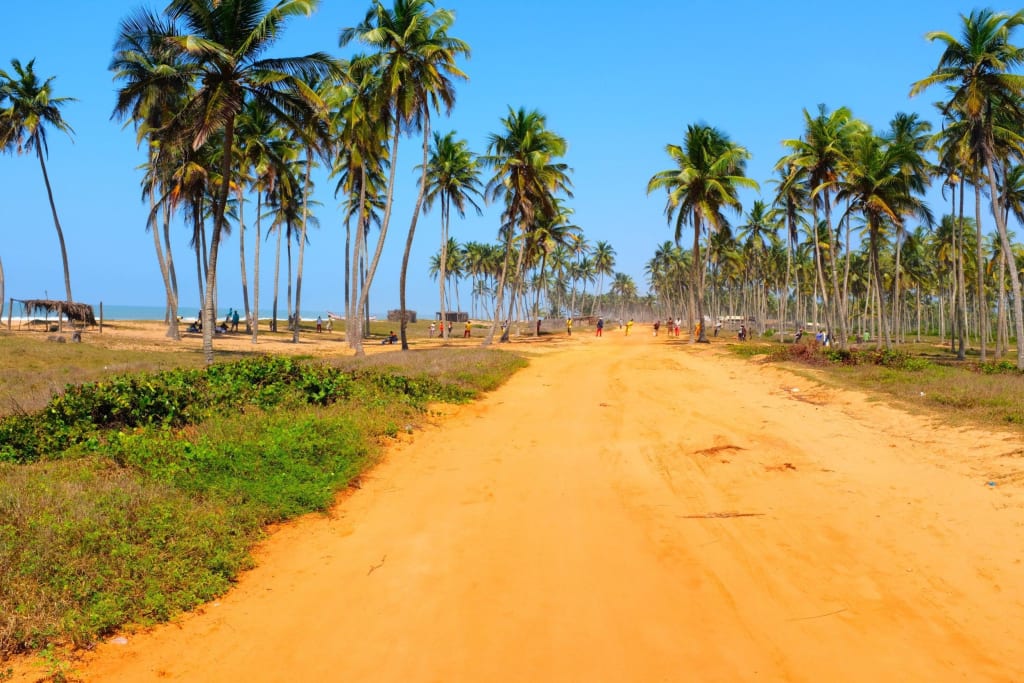
Benin is a French-speaking country in West Africa. It is a fascinating place and is the birthplace of the vodun or “voodoo” religion. It’s also home to the former Dahomey Kingdom dating from 1600 – 1900. Even though it is a small country it does have a few large cities and beckons tourists to explore its impressive architecture, museums, and markets. A trip here will bring you many adventures, a look at amazing wildlife, and relaxing on great beaches.
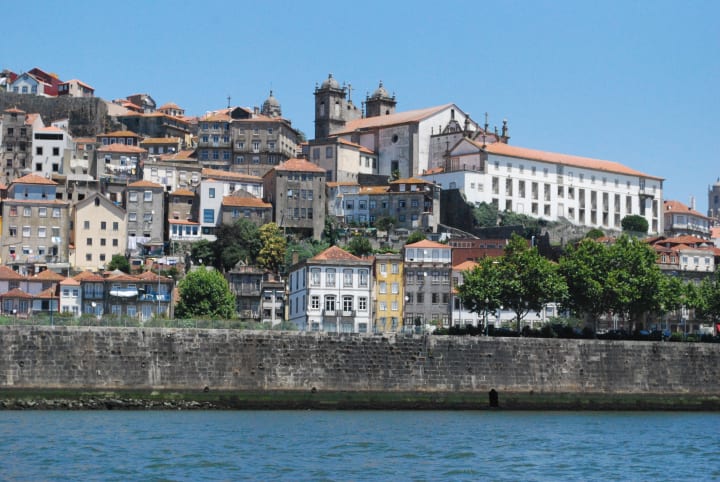
Porto Novo is the capital city of Benin and the former French capital of Dahomey. The national legislature sits in this city.
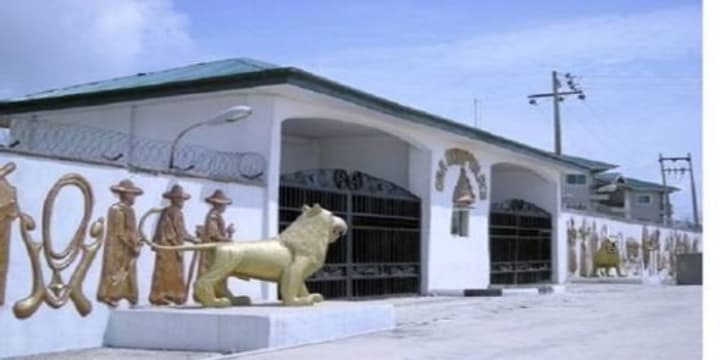
Highlights here include the Royal Palace and gardens. It was once King Toffa’s royal palace in the 19th century. Today the palace is the Royal Palace Musee Honme and a UNESCO World Heritage site.
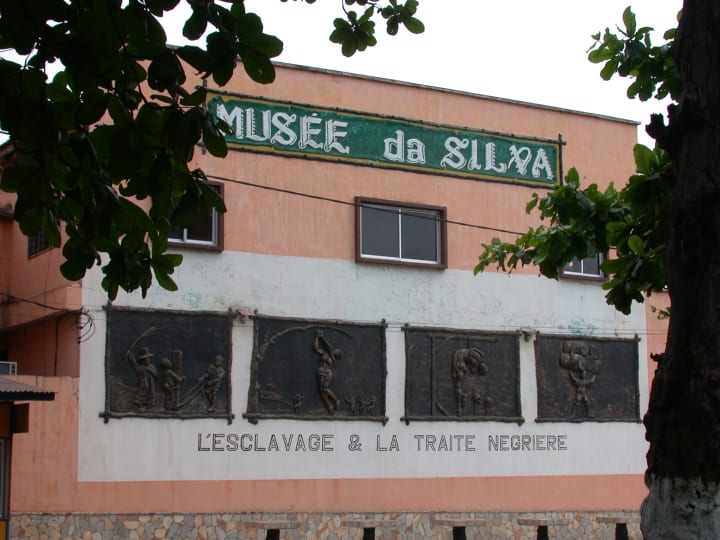
The city is known for its colonial buildings such as The Musee da Silva, which recounts Benin’s history and celebrates Afro-Brazilian culture.
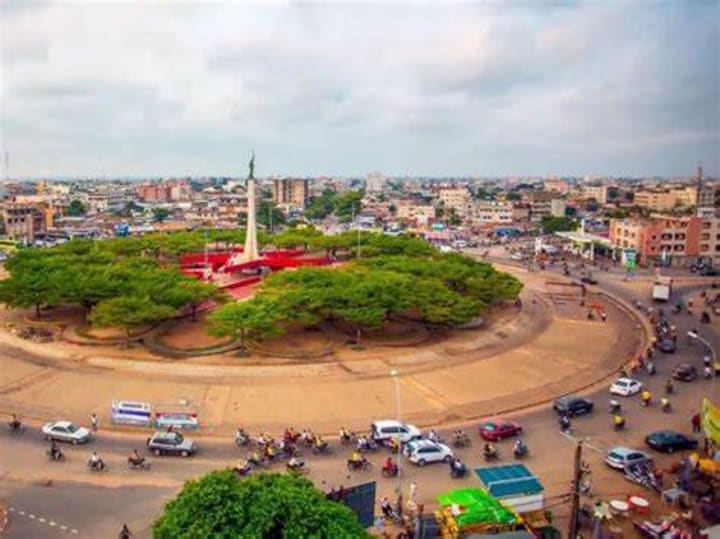
Visit the city of Cotonou with lovely beaches full of golden sand and palm trees. It’s a large port city on the south coast of Benin. Even though it is not the capital it is the seat of government and many of the government buildings are here. Some of its highlights include the huge Dantokpa Market at the eastern end of Boulevard St. Michel.
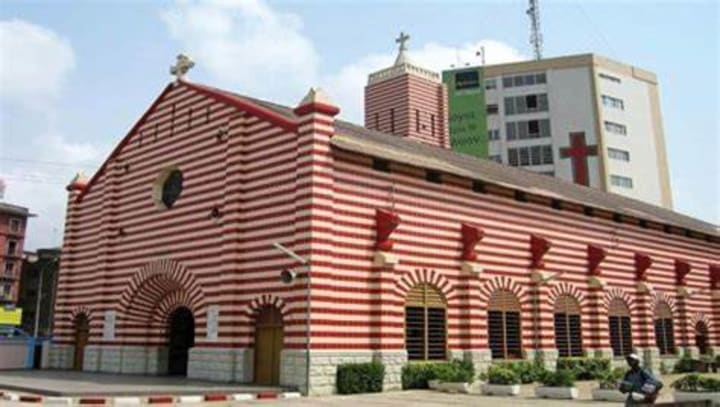
There is the 19th-century Cotonou Cathedral with an impressive red-and-white striped facade. At the Foundation Zinsou Museum, you can see contemporary African art.
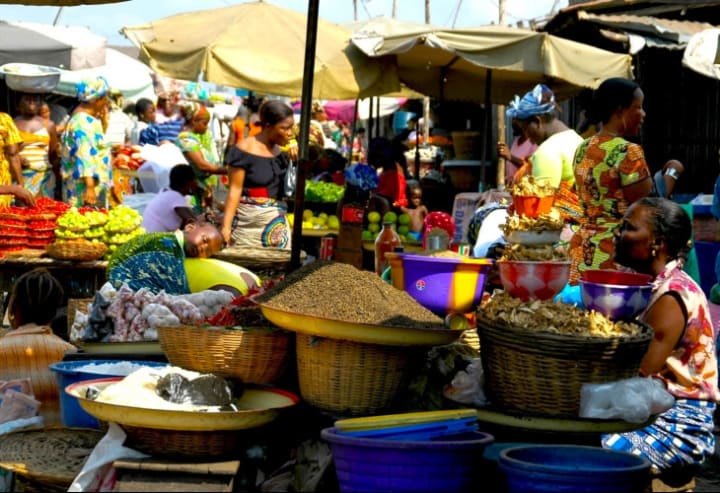
Grande Marche du Dantokpa is a market in Cotonou where you can purchase almost anything under the sun from food to clothing to sandals and even goats. You can find spare car parts and DVDs. Even if you don't buy anything it is an exciting and vibrant place to walk through.
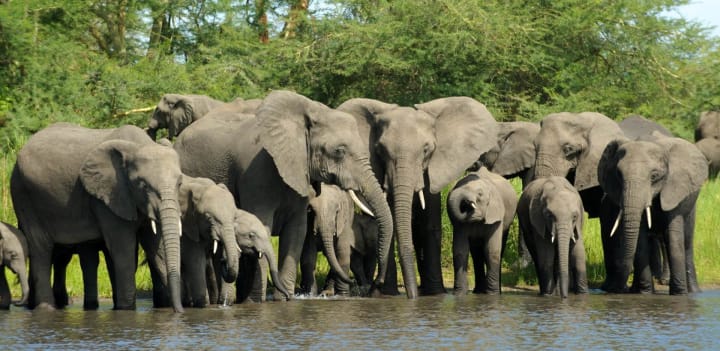
After a visit to Cotonou take the time to explore the Pendjari National Park which is one of the leading animal reserves in Africa. Here you can see such wildlife as antelopes, baboons, warthogs, birds, and much more. The park is named after the Pendjari River, creating a natural border between Benin and Burkina Faso.
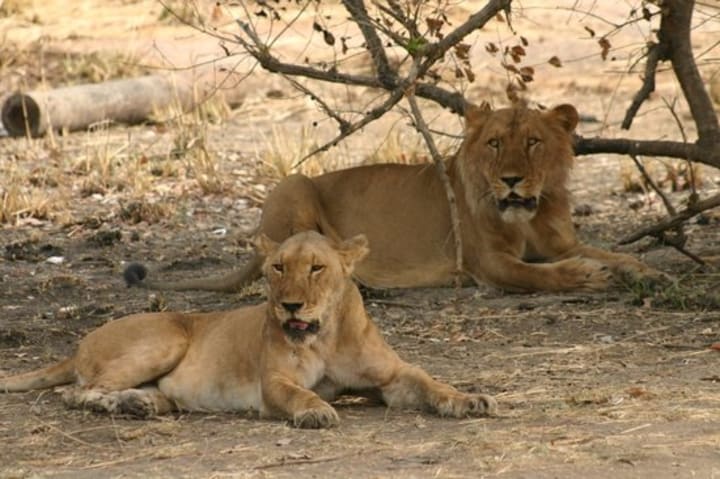
At the northwest end of the park is the Atakora region. This reserve was established in 1961 and in 1986 was added to UNESCO’s World Biosphere Reserve list. The larger animals here are lions, elephants, Sudanese buffaloes, and leopards.
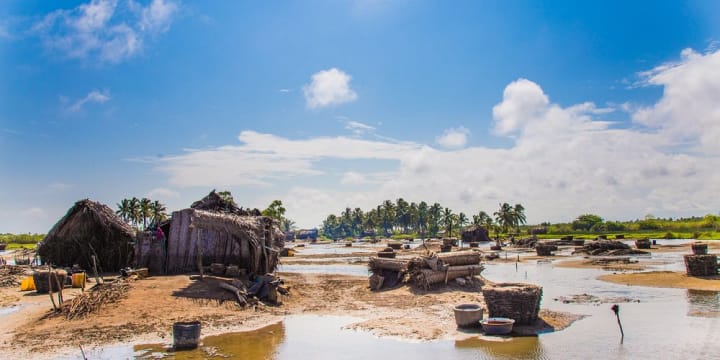
A city that offers a mix of French and Portuguese is Ouidah. This city is where you can learn a great deal about African history. It has museums that explore slavery and voodoo. There are many stunning beaches as well.
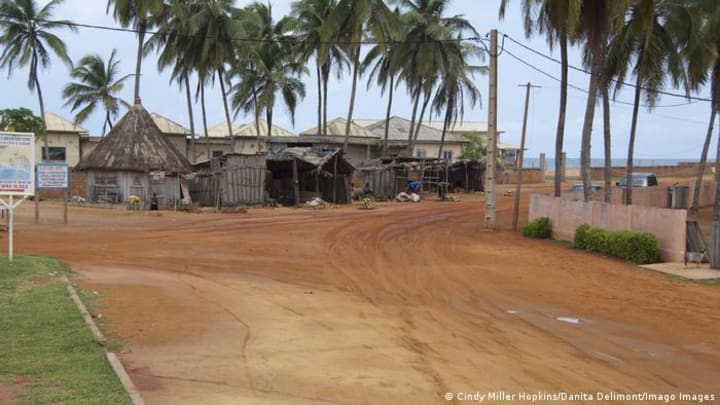
Among the highlights is The Slave Route which is the track down which slaves were taken to the ships and is lined with monuments.
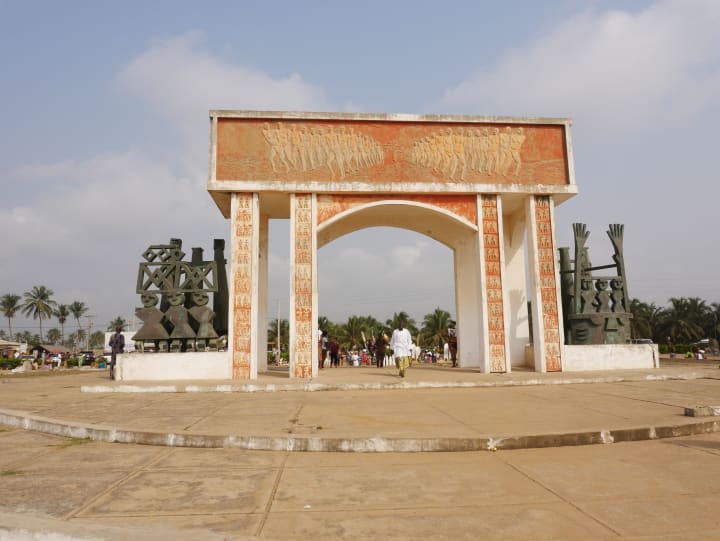
It leads to the Door Of No Return, a memorial arch on the waterfront.
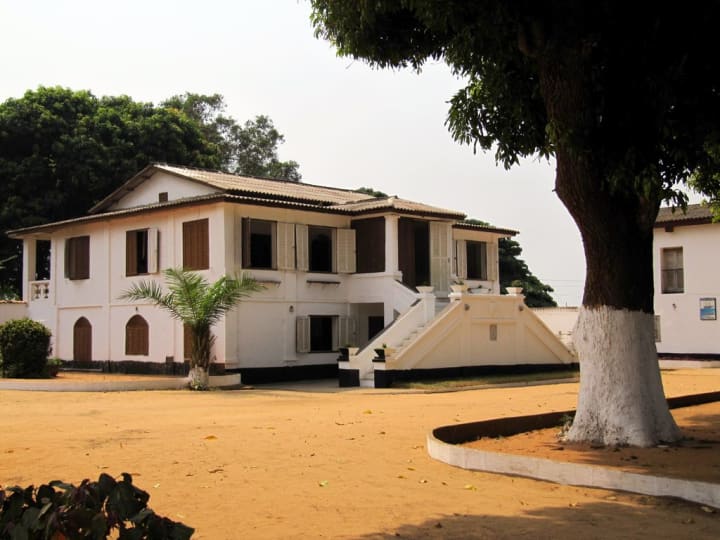
There is the Ouidah Museum of History based on an 18th-century Portuguese fort, chronicling the city’s slave-trading past.

Abomey was once the capital of Ancient Dahomey. The main highlight here is that this is the UNESCO World Heritage Site of the Abomey Royal Palaces. Even though most of the palaces are now in ruins there is still much to be seen. It is home to 12 palaces.
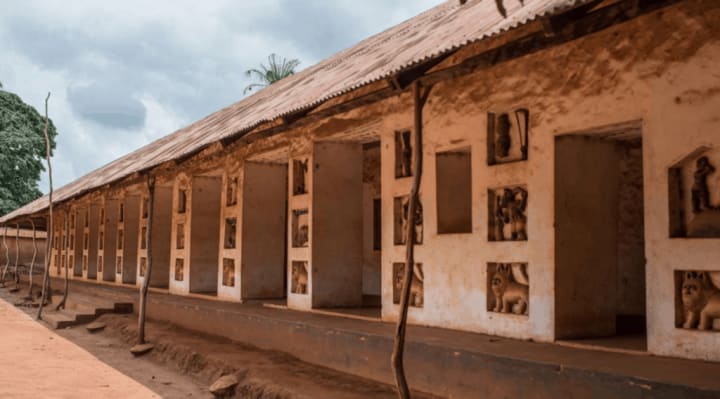
The surviving palaces of Ghezo and Glele form the Historical Museum of Abomey, which features bas-reliefs on the palace walls and a throne mounted on human skulls.
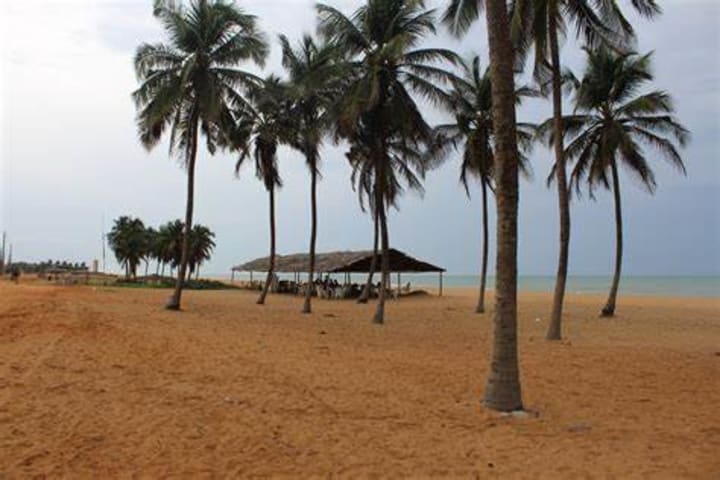
The town of Grand-Popo played an important role in the slave trade. Here you can find great beaches upon which to relax and where to swim.
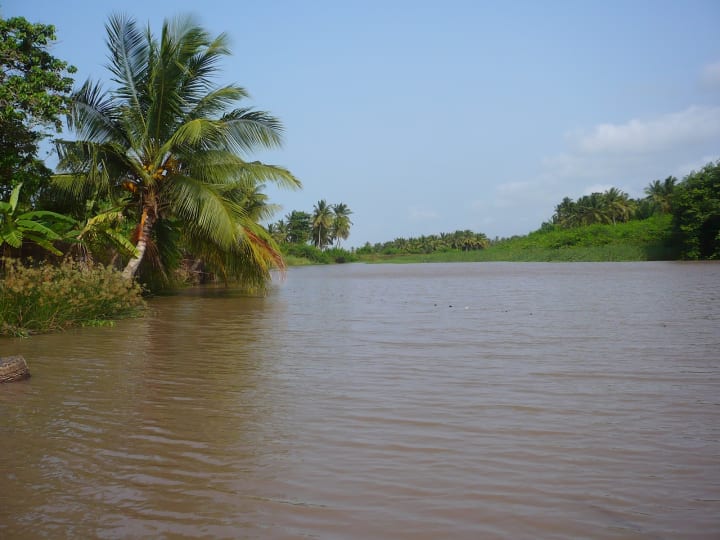
You can enjoy great walks along the Mono River and see mangroves and exotic birds. The small town is also known for its voodoo culture. It has a celebrated beach lined with coconut palms. On the main road, Villa Karo you’ll find a Finnish-African cultural center with art exhibitions.
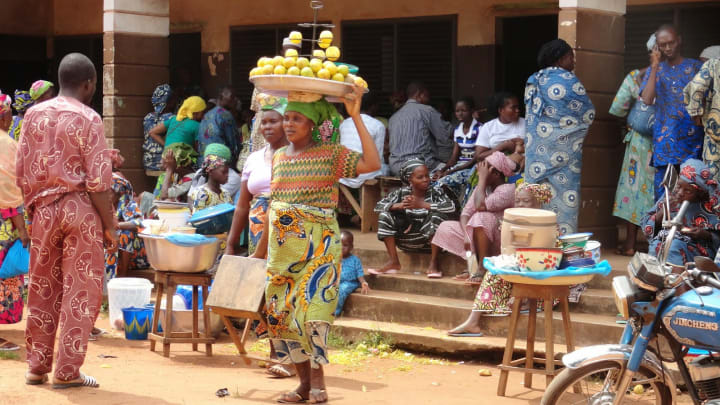
The local market Marche de Grand-Popo is located next to the Mono River.
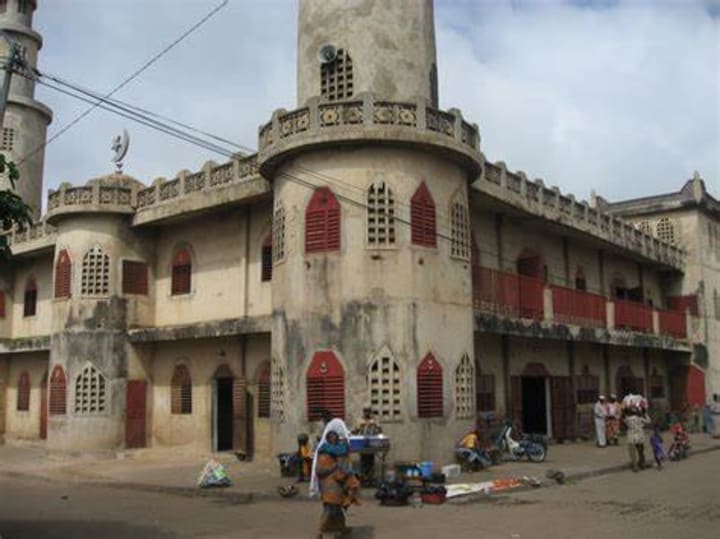
The second largest city in Benin is Parakou. The city’s economy focuses on cotton, textiles, and peanut oil. There is a wonderful open-air museum, showing traditional Bariba architecture. The name of the city means “city for everyone”. This is Benin’s final port of call before goods move along the Niger River. It is home to the largest market in Benin Grand Marche Azeke, an international market spanning over a block. The center of the city has a roundabout with a distinctive tall pink column with the red encrypted words “Parakou”.
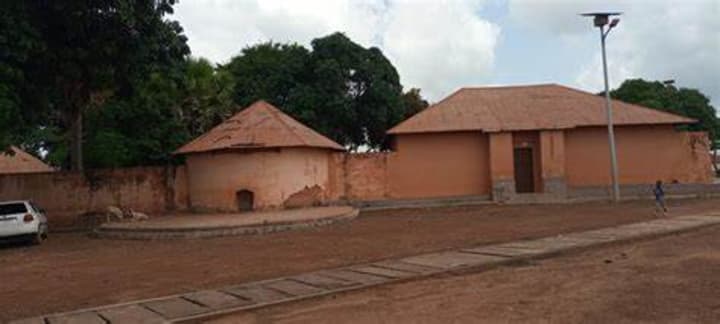
Nikki is the capital of historic Bariba. The main sight here is the Royal Palace and the museum.
About the Creator
Rasma Raisters
My passions are writing and creating poetry. I write for several sites online and have four themed blogs on Wordpress. Please follow me on Twitter.
Keep reading
More stories from Rasma Raisters and writers in Wander and other communities.
Exploring Genoa
The city of Genoa in Italy is a sprawling port with many treasures to uncover. There are palaces of splendor, museums with impressive works of art, and narrow, twisting lanes that can lead you back into history. The Old Town is most interesting with lots to explore. Genoa is home to the largest aquarium in Europe and has the best maritime museum.
By Rasma Raisters3 years ago in Wander
Worth the Wait: Puerto Viejo, Costa Rica
Beach bumming in a small Caribbean beach town sounded like a perfect way to end our 6-month trip through Mexico and Central America. Or so we thought. The foul, fishy stench of rotten seaweed hit our nostrils as we stepped from the cramped bus and looked out at a rather depressing, empty, and underwhelming black sand beach. It was pouring with rain, and we had to quickly fish out our ponchos. We thought, this couldn’t be it, could it?
By Sh*t Happens - Lost Girl Travel5 days ago in Wander
The Little Things Americans Take For Granted
America isn’t perfect. The entire country needs a serious makeover and attitude adjustment. We have it better in the country than people in some places, despite the flaws. People in some countries cannot enjoy freedom of speech. Women do not enjoy equal rights. Basic humanneeds like water and electricity are not always available. Simple acts can land someone in jail. We take so much for granted here in America. We’ve come to expect extras like electricity and Internet service. Far too often, we forget that people in some countries could only dream of the same luxuries.
By Criminal Matters7 days ago in Wander




Comments
There are no comments for this story
Be the first to respond and start the conversation.