
The Road to Nowhere
Aarav had always been restless. Even as a child, he hated staying in one place for too long. Every corner of his small hometown felt too familiar,

M Mehran
Aarav had always been restless. Even as a child, he hated staying in one place for too long. Every corner of his small hometown felt too familiar, every routine too predictable. While other kids dreamt of stability—a steady job, a house, a family—Aarav dreamt of wandering. He wanted to explore, to lose himself in new places, to let the world rewrite the boundaries of his life.
It wasn’t rebellion, exactly. It was a calling he couldn’t ignore. Every morning he woke with a quiet itch, a pull toward roads he hadn’t traveled and cities he hadn’t yet seen.
---
The First Step
The day he finally left, Aarav’s parents tried to convince him to stay.
“You can travel later,” his mother said, her voice tinged with worry. “Settle first, then explore.”
“I can’t wait,” he replied, though his own heart thumped nervously.
He packed only essentials: a small backpack, a notebook, a camera, and the clothes on his back. No detailed plan, no return ticket. Just the promise of the road ahead.
The first bus took him to a city three hundred kilometers away. He had no destination, no agenda. He simply wandered, letting the streets guide him, the alleys whisper secrets, and the markets reveal colors and smells he had never imagined.
---
Lessons in Wandering
Wandering, Aarav quickly realized, was not just about movement—it was about perception. He noticed things others overlooked: the way sunlight danced on a crumbling wall, the quiet rhythm of a street musician’s drum, the laughter of children chasing a stray dog.
He wrote in his notebook: “The more I wander, the more I see. And the more I see, the more I understand myself.”
At night, he slept under open skies or in small guesthouses, talking to strangers who shared their stories. Each conversation felt like a window into another life, another perspective. Aarav began to understand that wandering was more than physical travel—it was a journey into empathy, curiosity, and awareness.
---
Challenges Along the Way
Of course, wandering wasn’t always idyllic. Aarav faced hunger on long stretches without food, heavy rainstorms that soaked him to the bone, and nights when he doubted the wisdom of leaving home. There were moments when the loneliness pressed in, when he wondered if the comfort of familiarity was worth abandoning.
But every time he contemplated giving up, something small reminded him why he started. A hidden temple in a quiet village, an elderly couple who offered him tea and a story, a hilltop sunrise that painted the world in gold. Each moment was a reward for daring to wander.
---
Finding Connection
Months passed, and Aarav realized that wandering didn’t mean being disconnected. In fact, it brought him closer to people. He learned local customs, shared meals, and participated in festivals. He discovered that humans everywhere longed for connection, stories, and understanding.
One evening, in a village by the river, Aarav met Meera, a painter who wandered her own way through life, capturing moments on canvas. They shared a small hut, tea, and conversation that stretched into the night. She taught him that wandering could also mean building relationships in transient places, leaving marks without possessions, and carrying memories instead of things.
---
Reflection
After a year on the road, Aarav returned home briefly. His parents barely recognized him—not because his appearance had changed drastically, but because his energy, his presence, had transformed. He carried stories, photographs, sketches, and lessons from a world beyond their small town.
He wrote in his journal: “I left to escape, but I found. I wandered to lose myself, but I discovered who I am. The world is infinite, and so is the heart when it allows itself to wander.”
The streets of his hometown felt smaller now, but not confining. He realized that wandering didn’t end when he returned. It was a mindset, a willingness to explore, to question, to move, and to feel deeply.
---
The Endless Journey
Even now, Aarav packs lightly, plans loosely, and leaves doors open for the unknown. He knows that the road will call again, that new cities, strangers, and experiences will continue to teach him. For him, wandering is not a pastime—it is a life philosophy.
He also understands this: wandering can be lonely, tiring, and uncertain. Yet, it brings clarity, humility, and growth. The courage to step out, to leave comfort behind, to trust the road—that is where freedom lies.
---
Closing Thoughts
Wandering is not just a journey across landscapes; it is a journey within. It is the art of noticing, listening, and learning. Aarav’s story reminds us that to wander is to live fully—not just in the places we see, but in the way we engage with the world and ourselves.
For those who feel restless, uncertain, or constrained, the path is simple: step out, even if the destination is unknown. Wander with intention, curiosity, and openness, and the world will teach you more than you ever imagined
About the Creator
Keep reading
More stories from Muhammad Mehran and writers in Wander and other communities.
Getting Lost in Lisbon: The Magic of Wandering Without a Map
M Mehran The first rule of traveling, they say, is to always know where you’re going. Book your tickets early, plan your itinerary, mark every must-see on the map. But the best memories I’ve made while traveling didn’t come from careful planning. They came from getting lost.
By Muhammad Mehran5 months ago in Wander
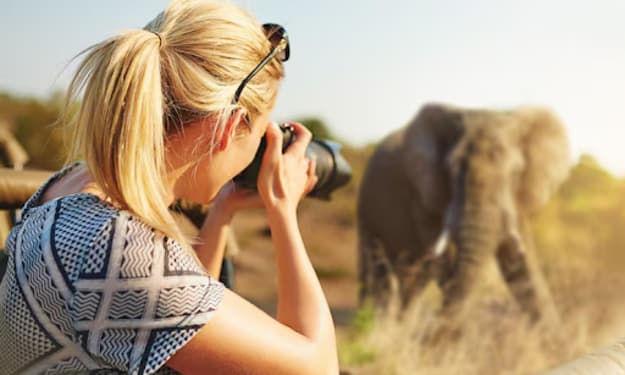
Photography Tours: Everything You Need to Know
If you have ever returned from a wildlife trip with images that fell short of the experience — blurry shots, blown highlights, or subjects that disappeared before you could compose the frame — you already understand the core argument for booking dedicated photography tours rather than standard nature or wildlife excursions. Photography tours exist to close the gap between the wildlife you see and the images you actually bring home.
By Michael Wilson4 days ago in Wander
How Much For A Cup of Coffee? The Most Expensive Coffee In London
People might argue that Coffee is an American import, which came over during the early 90s, when coffee shops started spring up all over London. Coffee has been part of the London scene for centuries, in fact as far back as 1652.
By Tabby London5 days ago in Wander



Comments
There are no comments for this story
Be the first to respond and start the conversation.