
Photography Tours: Everything You Need to Know
Expert insights, destinations, costs, and tips to help you choose and prepare for the perfect photography tour.

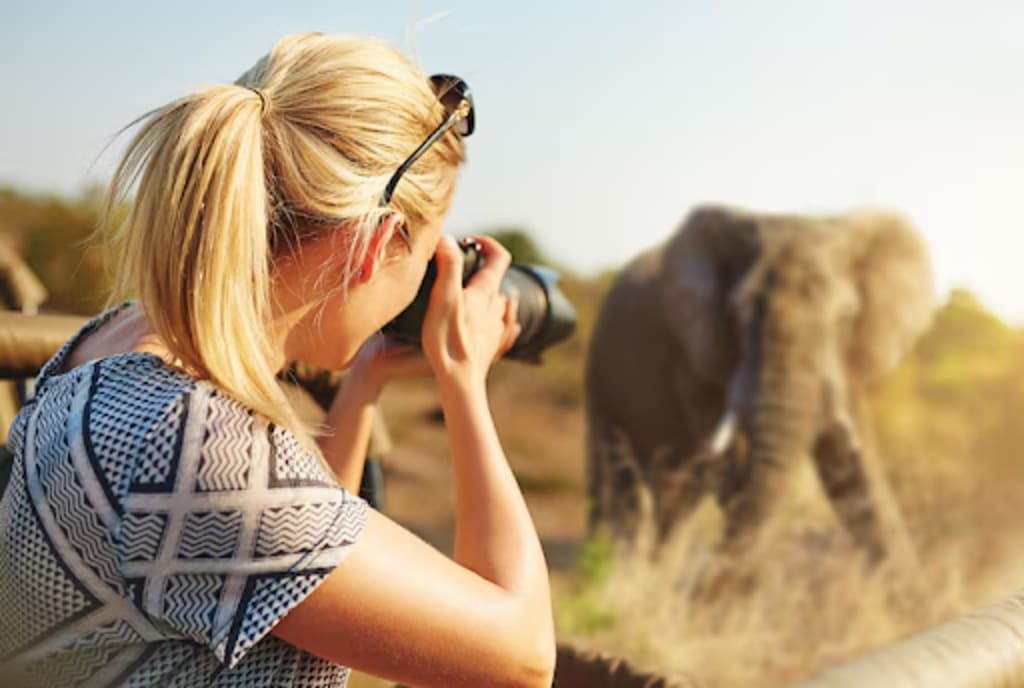
If you have ever returned from a wildlife trip with images that fell short of the experience — blurry shots, blown highlights, or subjects that disappeared before you could compose the frame — you already understand the core argument for booking dedicated photography tours rather than standard nature or wildlife excursions. Photography tours exist to close the gap between the wildlife you see and the images you actually bring home.
This post covers everything you need to know before booking your first photography tour — from what to expect in the field to how to evaluate operators and choose the right destination for your photographic goals.
Photography Tours vs. Standard Nature Tours
The distinction between a photography tour and a standard wildlife or nature tour is more significant than it might initially appear. On a standard nature tour, the itinerary is built around wildlife viewing — the primary goal is species diversity and sightings count. Photography is incidental.
On a dedicated photography tour, the itinerary is structured around photographic opportunity. Wake times align with golden hour. Vehicles are positioned for light direction. Guides understand the difference between a good sighting and a good photographic situation — and they make decisions in the field to maximize the latter. This seemingly small structural difference produces dramatically different creative results.
Types of Photography Tours
Nature and Wildlife Photography Tours
These are the most popular photo tours category, covering everything from African safari photography to hummingbird tours in Central America. Expert naturalist-photographer guides lead participants to high-quality wildlife encounters in optimal shooting conditions. Trogon tours, for example, specializes in exactly this format — small groups in extraordinary natural environments, with itineraries built around photographic rather than purely observational goals.
Landscape Photography Tours
Landscape photography tours focus on natural scenery — mountains, coastlines, forests, deserts, and atmospheric events like aurora borealis or monsoon storms. Guides understand how to read light, weather, and seasonal conditions to position participants for the most visually compelling compositions. These tours often involve pre-dawn starts and late evening shoots to maximize time in optimal natural light.
Cultural and Street Photography Tours
In urban and cultural contexts, guided photo tours provide access to communities, festivals, markets, and architectural subjects in ways that independent exploration rarely matches. A knowledgeable local guide can facilitate introductions, navigate language barriers, and identify the most photogenic locations at the most favorable times of day.
What to Look for in a Tour Operator
Group size is the first variable to check. Quality photography tours keep groups small — ideally four to eight participants — to maximize individual shooting access and coaching time. Check the guide's credentials: published photography work, formal naturalist training, and verifiable expertise with the specific destination and subject matter are all indicators of quality.
Ask for sample images from previous tour participants rather than the guide's own portfolio. Those images reflect what is realistically achievable for a photographer at your level, in the conditions the tour actually encounters. A strong operator will happily provide this evidence.
Preparing for Your First Photography Tour
Know your equipment before you arrive. A photography tour is not the place to learn your camera system from scratch. Understand your autofocus modes, your exposure compensation controls, and your burst shooting settings before you depart. Bring more memory cards and batteries than you think you will need — high-burst shooting during peak wildlife activity depletes both rapidly.
Come with photographic goals in mind: specific species you want to photograph, behavioral moments you want to capture, or technical skills you want to develop. Communicating these goals to your guide at the start of the tour allows them to tailor their coaching and positioning decisions to help you achieve them.
Conclusion
Photography tours represent one of the most direct and rewarding investments available to a nature photographer. Whether you join photo tours focused on birds and mammals in tropical forests or opt for landscape and wildlife combinations in temperate wilderness, the combination of expert guidance and deliberately structured field time will advance your photography in ways that independent travel rarely achieves. Find an operator whose values and approach align with yours — and go make extraordinary images.
About the Creator
Michael Wilson
Michael Wilson, a Finance graduate, brings expertise from years in the field. With a Master's degree in Finance, his insights go beyond the surface, delving into practical applications of complex financial concepts.
Keep reading
More stories from Michael Wilson and writers in Wander and other communities.
What Do Chicago Appeal Lawyers Do Differently?
Appeals in Illinois are a distinct and highly technical area of law that demands specialized expertise. The Illinois appellate system operates under strict procedural rules, aggressive deadlines, and a body of case law that shapes outcomes in ways trial attorneys may not fully anticipate. Chicago appeal lawyers who focus exclusively on appellate work bring a level of precision and strategic focus that is essential to succeeding at this stage of litigation.
By Michael Wilson6 days ago in Criminal
Boundless
A geographical map could take you there. To the places I've been, to the sights I've seen, to the landscapes I've climbed. But no compass could point you in the direction of my memories. To the experiences I've lived, to the happiness I've felt, to the wonder I've held so close to my heart.
By Alyssa Musso2 days ago in Writers


Comments
There are no comments for this story
Be the first to respond and start the conversation.