
Safety First: 10 Safety Essentials to Keep in Your Car
Safety Tips for the Road
The inside of a vehicle can be one of the most dangerous places for you or your loved ones to be. Cars are getting safer as the years go by and technology advances, but in the event of an emergency, it’s important to have a few essentials at the ready. Just as important, though, knowing how to use what’s in your safety kit is something a lot of drivers don’t take into account. Listed below are safety items every conscientious driver should have in their vehicle. We’ll also briefly discuss other safety methods you should know to keep yourself and your passengers safer.
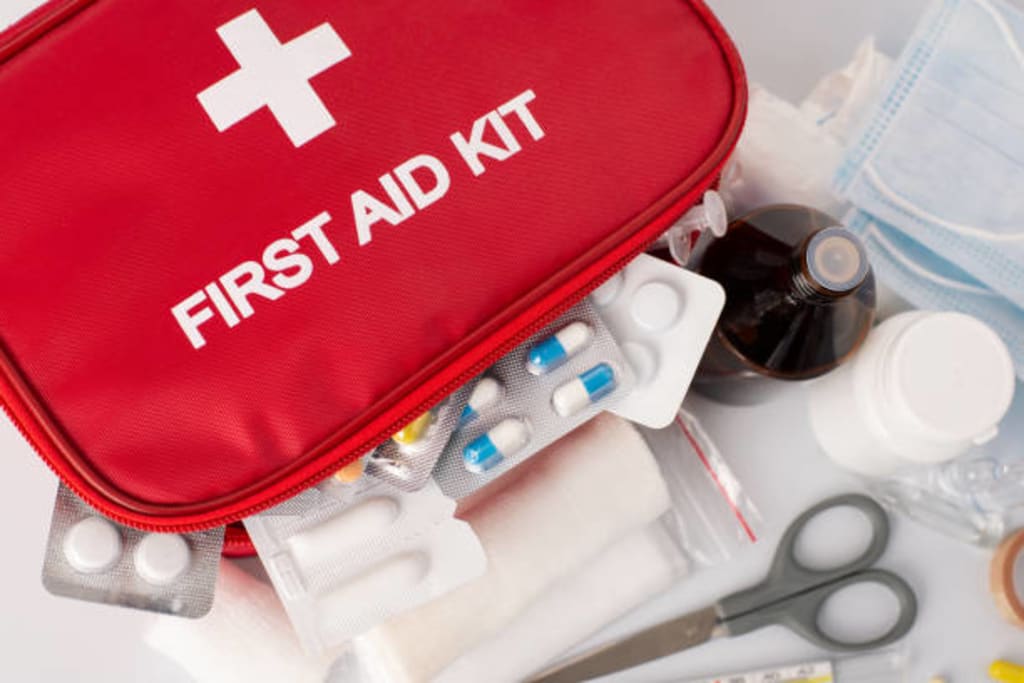
Antiseptic: Isopropyl alcohol, hydrogen peroxide, Neosporin, antibacterial soap, etc. If a wound needs to be cleaned, it’s imperative to have something on hand that can ward off harmful bacteria from bringing on an infection.
Latex gloves: In the event that one of your passengers is injured and you are the one applying the antiseptic, latex gloves will provide a barrier between their wound and your skin.
Bandages of various sizes: A Band-Aid may not be enough to minimize bleeding and protect a wound. It’s best to have bandages of varying sizes and fluid capacities on hand to address any wound.
Scissors: You may need to cut medical tape or fabric preventing you from treating a wound, so scissors will be more than handy in an emergency situation.
Flashlight: If a roadside emergency happens when natural light is low, a flashlight will help keep you precise. If it also happens to be waterproof, that’s even better.
Jumper cables/battery pack: In case the emergency is just a dead battery, jumper cables will provide an emergency vehicle or a good samaritan the tools needed to give you a jump.
Battery packs are even better, though, because depending on the brand, they can come with USB ports to power other devices. Just be sure to keep it charged, as the battery drains over time.
Fire extinguisher: Car fires can be incredibly deadly. Having something to squelch a fire is essential.
Tire plug kit: These kits are especially handy if you end up encountering a flat tire. However, they’re not designed to be a permanent fix, so if used, go to the nearest auto repair shop ASAP and have them assess the tire to check if it’s repairable.
Portable air compressor: A lot of preassembled emergency kits will have one of these, but it’s important to specifically seek one out if not. Aside from a low tire, they can also pump up anything else that holds air. A good portable compressor will also have a tire pressure gauge built in.
Car jack and lug wrench: Most cars already have one in the rear underneath the cargo liner, but if your car was bought used, you should check to make sure that everything is there—especially if your car uses lockable lug nuts.
While having first aid kits & safety tools available for unexpected emergencies is a great way to increase your safety and keep you prepared, taking medical certification courses to enhance your capabilities such as CPR & First Aid trainings will enhance your preparedness efforts. Here are a few examples of the types of training courses available to you:
Become CPR certified. Being CPR certified gives you the ability to save a life literally anywhere. On a plane, in a restaurant, at home, etc.
Akin to being CPR certified, becoming certified in pediatric advanced life classes (PALS) could be lifesaving if children are a part of the equation.
Basic first aid training is also crucial, as none of the items previously listed above mean anything to someone who doesn’t know how to use them correctly.
In conclusion, be sure to check the quality of all products in your safety kits before going on your road trip. Make sure the battery pack is charged, the bandages aren’t compromised or too old, check that the compressor still works when plugged in, check that the flashlight batteries aren’t drained, etc. Your car’s first aid kit is only as good as what’s in it.
Lastly, don’t forget your insurance card. It seems like common sense, but it happens a lot more than you’d think.
About the Creator
Zack Zarrilli - Founder, SureFire CPR
Zack is a veteran firefighter & paramedic of 15 years. He started SureFire CPR to provide practical and engaging training classes – teaching the crucial skills needed to know what to do and feel empowered to take action.
Keep reading
More stories from writers in Wander and other communities.
Top 10 colonial hotels in sri lanka
Sri Lanka, once known as Ceylon, carries a rich colonial legacy shaped by Portuguese, Dutch, and British rule. This history is beautifully preserved in a number of colonial-era hotels scattered across the island. From grand seaside mansions to hill-country retreats and fortified townhouses, these hotels offer travelers a chance to step back in time while enjoying modern comfort. Staying in a colonial hotel is not just about accommodation—it is about experiencing stories, architecture, and traditions that have survived for centuries.
By Buddhika Jayanath4 days ago in Wander
So You Decided To Become a Nurse Practitioner:
So you decided to become an "Advanced Practice" nurse. Congratulations!... is what I would say if this was a good idea. Grad school? In this economy? What were you thinking? Likely it was something along the lines of either 1) “I've seen these other chucklefucks do it— Why can't I?” or even 2) “I've got a nice career, I should shake it up. I miss feeling like I have no clue what I'm doing.”
By Sandor Szabo4 days ago in Fiction



Comments
There are no comments for this story
Be the first to respond and start the conversation.