
Privacy Is the New Luxury
In a world that watches everything, disappearing has become an act of rebellion

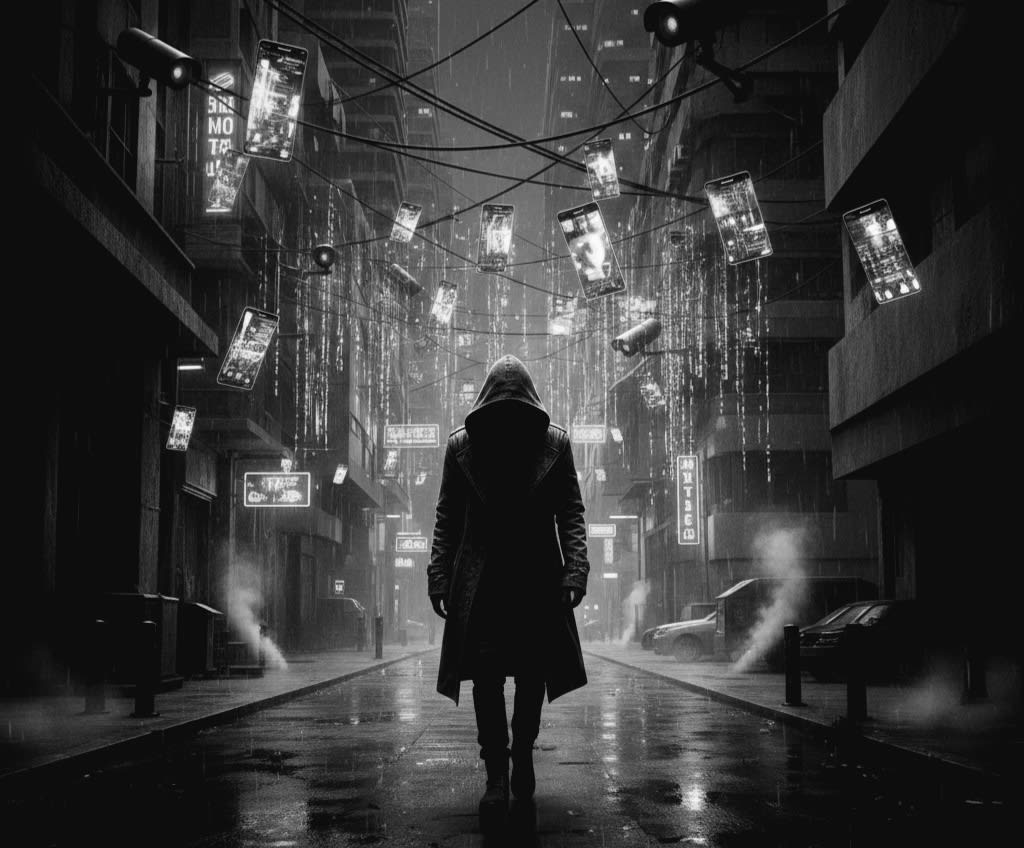
The first thing we give away is never our name.
It’s our silence.
We trade it willingly—tap by tap, scroll by scroll—until the quiet corners of our lives are filled with blinking notifications and invisible observers. Somewhere between posting our breakfast and tracking our steps, privacy stopped being a right and became a relic. Something quaint. Something expensive.
Once, luxury meant gold watches and gated homes. Now it means something rarer: the ability to exist without being watched.
Every morning, the city wakes up before we do. Cameras blink on street corners. Algorithms stretch and yawn, ready to predict what we’ll buy, who we’ll love, how long we’ll stay sad. Our phones greet us like mirrors that remember everything we forgot—and everything we wish we hadn’t shared.
We tell ourselves it’s harmless. I have nothing to hide.
But that sentence has quietly replaced another: I deserve something to keep.
Oversharing didn’t arrive loudly. It came disguised as connection.
“Tell your story.”
“Be authentic.”
“Let the world know you.”
And so we did.
We posted our heartbreaks before they healed. Our opinions before they matured. Our children before they could consent. We turned pain into content and vulnerability into currency, until the line between being seen and being consumed disappeared entirely.
Surveillance didn’t need to chase us.
We invited it inside.
There’s a woman on the subway who covers her phone screen with her hand, even though no one is looking. She doesn’t post photos of her meals or her milestones. Her social media profiles are empty shells—no bios, no confessions. People call her strange. Suspicious. Outdated.
But she sleeps deeply.
Privacy has become misunderstood. It’s not secrecy. It’s sovereignty.
To be private is not to hide—it’s to choose.
Yet choice is expensive now. Apps demand access like rent. Platforms punish absence with invisibility. If you don’t share, you don’t exist. If you don’t document your life, it’s as if it never happened.
The irony is cruel: the more we reveal, the less we are known.
Our identities are flattened into data points—age, location, preferences, fears. We are reduced to probabilities. You are not you anymore; you are someone who is “likely to click,” “likely to agree,” “likely to be persuaded.”
Freedom used to mean movement.
Now it means opacity.
There was a time when a mistake could fade. When a bad haircut, a foolish belief, a clumsy sentence could be forgotten. Today, the internet remembers everything with the devotion of a god and the mercy of none. Screenshots are modern fossils. Context dies young.
We are haunted not by who we are, but by who we were allowed to be publicly.
And so people curate instead of living. They perform wellness while quietly unraveling. They smile for cameras that will outlive their truths. They become brands instead of humans, metrics instead of souls.
Privacy would have saved them.
But privacy costs.
It costs likes. It costs relevance. It costs the warm illusion of being watched and validated.
Only the wealthy can afford real disappearance—gated lives, legal shields, quiet vacations untouched by lenses. For everyone else, exposure is the entry fee to modern life. You are visible, or you are nothing.
This is how inequality evolves—not just in money, but in invisibility.
Children grow up documented before they can speak. Their first steps archived. Their tantrums shared. Their identities shaped by captions they never wrote. What happens when they grow into people who want to erase a past that was never theirs to publish?
We don’t know. We’ve never tried restraint long enough to find out.
Sometimes, late at night, when the feeds go quiet, a strange longing appears. Not for attention—but for absence. To be untagged. Untracked. Unanalyzed. To think a thought that doesn’t become content. To feel grief without an audience.
To exist only for yourself.
Privacy is the last place where identity can breathe.
And maybe that’s why it feels dangerous to those in power. A private person is unpredictable. Unmarketable. Unmanageable. You can’t sell to someone you don’t fully know. You can’t control someone who keeps part of themselves untouched.
So the world keeps asking for more.
More access. More data. More truth.
But the bravest thing you can say now is not here I am.
It’s this part is mine.
In an age where everything is watched, choosing what remains unseen is no longer paranoia. It’s wisdom. It’s resistance. It’s self-respect.
Privacy isn’t about hiding from the world.
It’s about saving something from it.
And one day, when silence becomes extinct, those who protected it will be the richest people alive.
About the Creator
Small Town Beauty in Washington
Coupeville is part of Ebey’s Landing National Historical Reserve and is the second-oldest town in Washington. It was settled in the 1850s. The town has a lovely waterfront with its historic red wharf. Many of the buildings date from the 19th century. The seafood restaurants serve locally sourced mussels.
By Rasma Raisters7 days ago in Wander



Comments
There are no comments for this story
Be the first to respond and start the conversation.