

Cambodia
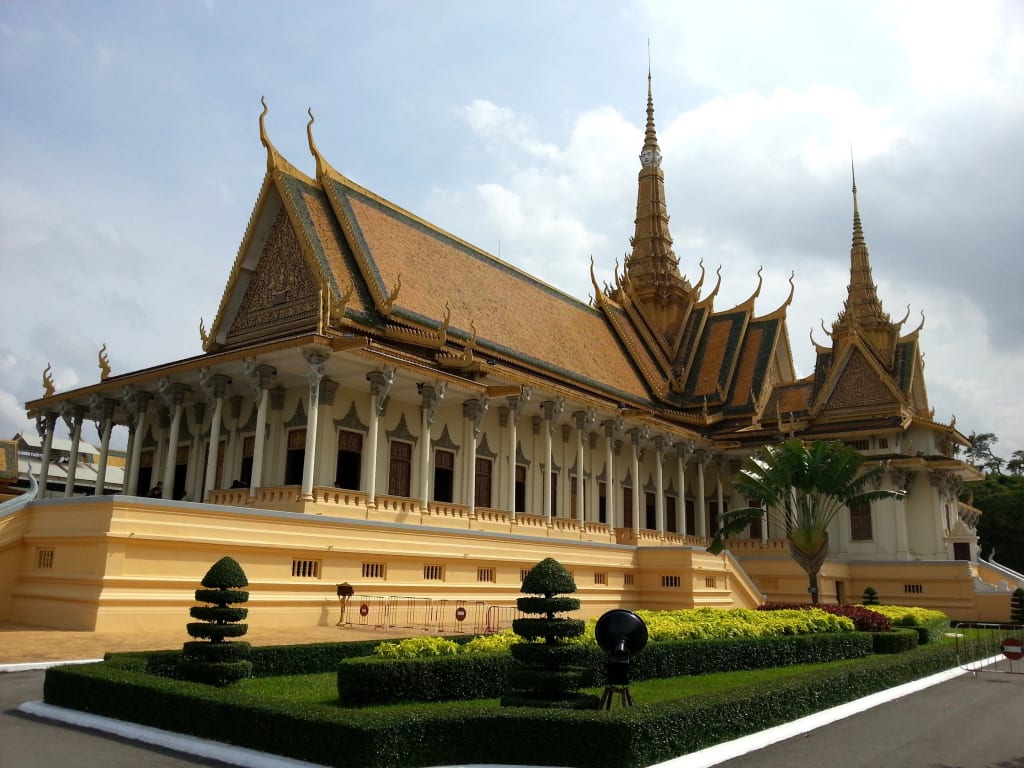
The Royal Palace is notable for its gold, white, and yellow motif. It was first built in 1866 by His Majesty Preah Bat Norodom, the king’s great-grandfather. The palace is the royal residence and houses the most revered symbol in Cambodia, the sacred white elephant. Other highlights include the Royal Treasury, the Napoleon III Villa, and the Royal Throne Hall, which has a 59-meter-tall tower and flooring made from 500 solid blocks of silver.The Silver Pagoda is home to the 17th-century emerald Buddha statue.
China

The Forbidden City is among the largest palaces in Asia. The compound consists of 980 buildings. It is a UNESCO World Heritage Site. For nearly 500 years it was home to 24 emperors during the Ming and Qing dynasties. The Imperial Palace is protected by four gates, walls, and a moat. It is listed in the Guinness World Records as the most visited palace.

Also a UNESCO World Heritage Site, the Summer Palace was completed in 1750 and rebuilt in 1886. It was renamed the Garden of Health and Harmony.

There are many halls and pavilions with such highlights as the Longevity Hill, the Seventeen-Arch Bridge, and Kunming Lake. In the winter visitors can skate or sled on the lake.
Japan

In the Hyogo Prefecture in Kobe, Himeji Castle is one of Japan’s twelve remaining original castles. It is on the list of National Treasures and is a UNESCO World Heritage Site. The complex includes 82 buildings. The castle was originally built as a fortification. Visitors enjoy Hirneji Castle in the sakura season when the 1,000 cherry trees on the castle grounds blossom.

The Himeji Castle Garden has nine traditional gardens separated by mud walls.

Matsue Castle is another National Treasure of Japan. It is also known as the Plover Castle because of its black exterior and pediments that resemble the wings of a plover bird. From the top floor you can get breathtaking views of the town and Lake Shinji.

Visitors enjoy strolling around Jozan Park. Three shrines were also built within the castle grounds, and the Kounkaku, a Western-style mansion constructed in 1903 for the Meiji Emperor.
South Korea
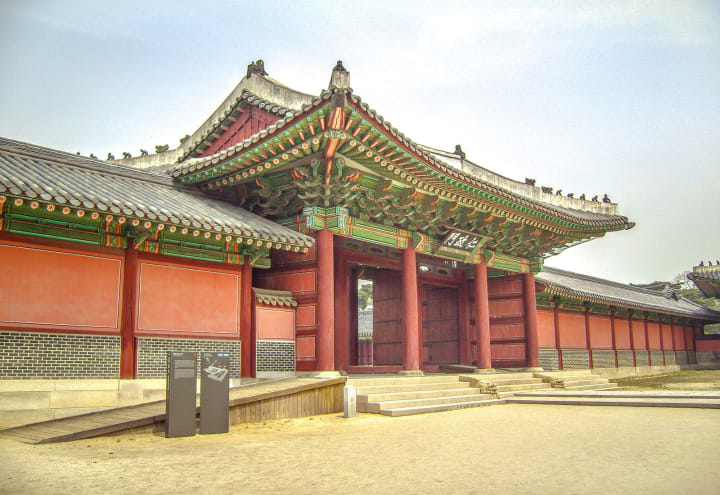
Changdeokgung Palace was constructed in 1405 and is among the most well-preserved of the Joseon Dynasty palaces. This palace served as the residence and court for 13 kings. Visitors enjoy the Rear Garden, also referred to as the Secret Garden.

In the autumn, the changing colors of the leaves in the garden are amazing. It is a UNESCO World Heritage Site.

Gyeongbokaung Palace is located in the heart of Seoul. It was built as a royal family residence in 1395. The palace is the largest of the five grand palaces built during the Joseon Dynasty and serves as a significant cultural symbol of Korea. Visitors can enjoy the grounds and see the Throne Hall and the Gyeonghoeru Pavilion. At the gate you can see the changing of the Royal Guards ceremony.Visitors can explore the National Palace Museum of Korea and the National Folk Museum located within the palace grounds.
Thailand

Bang Pa-In Palace is located in Ayutthaya, north of Bangkok. In the 17th century it was the summer retreat for royals. The compound includes buildings with a mix of Thai, Chinese, and European themes.

Visitors enjoy seeing Aisawan Thiphya, the Thai-style floating pavilion in the middle of an ornamental pond referred to as the “Divine Seat of Personal Freedom.”

The Grand Palace is among the main tourist attractions in Bangkok and a pilgrimage destination for Buddhists. It was established as a residence for Kings Rama I to Rama V of the Rattanakosin Kingdom. The compound is divided into two areas:

The royal residence and the Temple of the Emerald Buddha. The Emerald Buddha is the most revered image of Buddha in the country. It is adorned with three costumes depending on the season: summer, rainy, and winter.
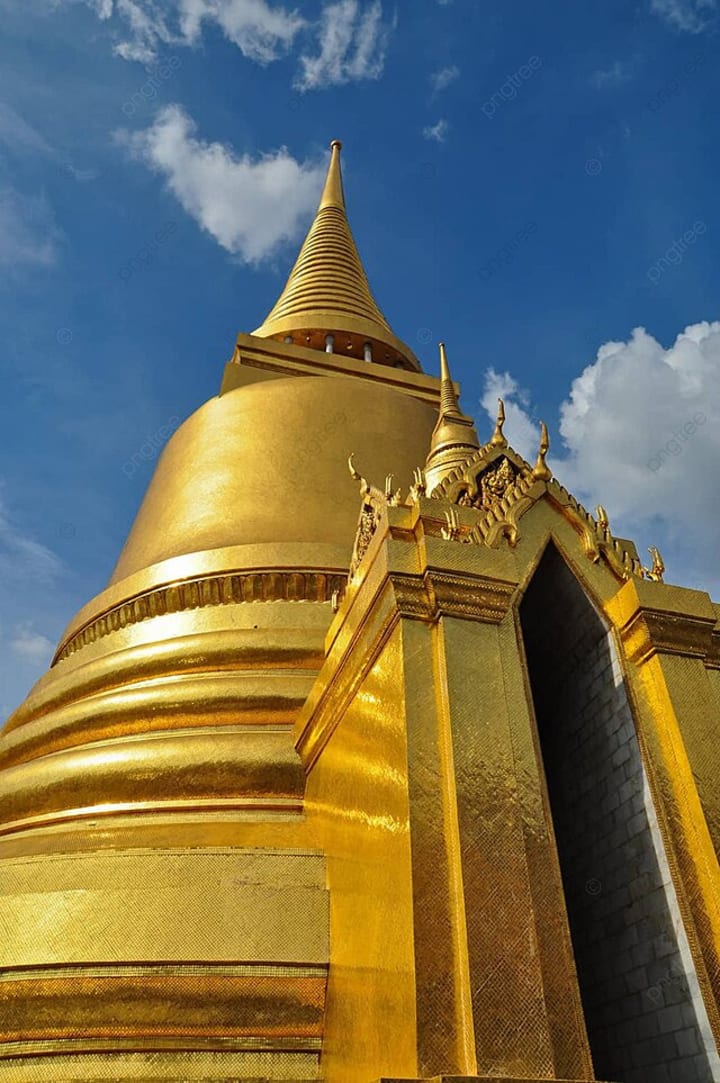
Several Buddhist buildings were constructed, including chapels, pavilions, a library, and the eye-catching golden stupa, which holds relics of the Lord Buddha.
Tibet

Potala Palace was built on the top of Red Mountain in Lhasa Valley. It the world’s highest palace. In the 17th century the palace was rebuilt as a winter residence for the Dalai Lamas until 1959. Potala Palace has two sections:

The White Palace is the living quarters for the Dali Lama, with halls and courtyards.

The Red Palace is used for worship.
It is a UNESCO World Heritage Site and one of the most sacred sanctums of Buddhism. The palace is home to scrolls, murals, statues, and tombs of eight Dalai Lamas.
About the Creator
Rasma Raisters
My passions are writing and creating poetry. I write for several sites online and have four themed blogs on Wordpress. Please follow me on Twitter.
Keep reading
More stories from Rasma Raisters and writers in Wander and other communities.
Strolling Through Beautiful Castles Portugal
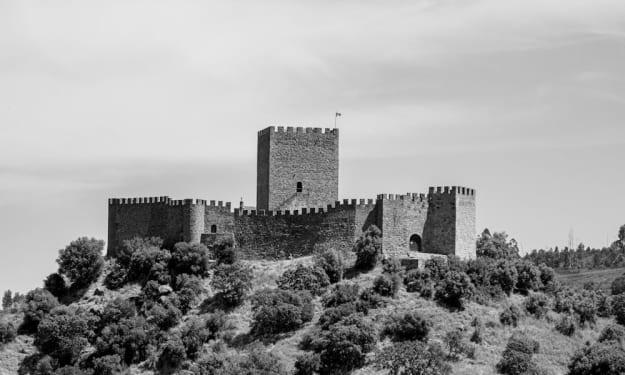
A tiny rocky island in the center of the Tagus River is home to Almourol Castle. This is a charming 12th-century sandstone structure. The massive walls and circular towers are a mix of Romanesque and Gothic architectural styles. The castle has become a well-liked tourist destination and can be reached by a short boat ride from the mainland. Amourol Castle is part of Portugal’s rich historical environment and is designated a National Monument.
By Rasma Raisters4 months ago in Wander
Coastal Series: Part I (Washington State)
Washington does not introduce its coastline. It lets you find it... There’s no sudden reveal, no postcard moment engineered for the windshield. The coast arrives gradually, in pieces... Through rain-darkened trees, through logging towns that never rebranded themselves, through long stretches of road where the radio fades, and the sky lowers itself closer to the ground.
By The Iron Lighthouse2 days ago in Wander


Comments
There are no comments for this story
Be the first to respond and start the conversation.