
Exploring Naloh: A Glimpse into Village Life in Himachal Pradesh
Naloh: A Journey Through Heritage, Nature, and Tradition
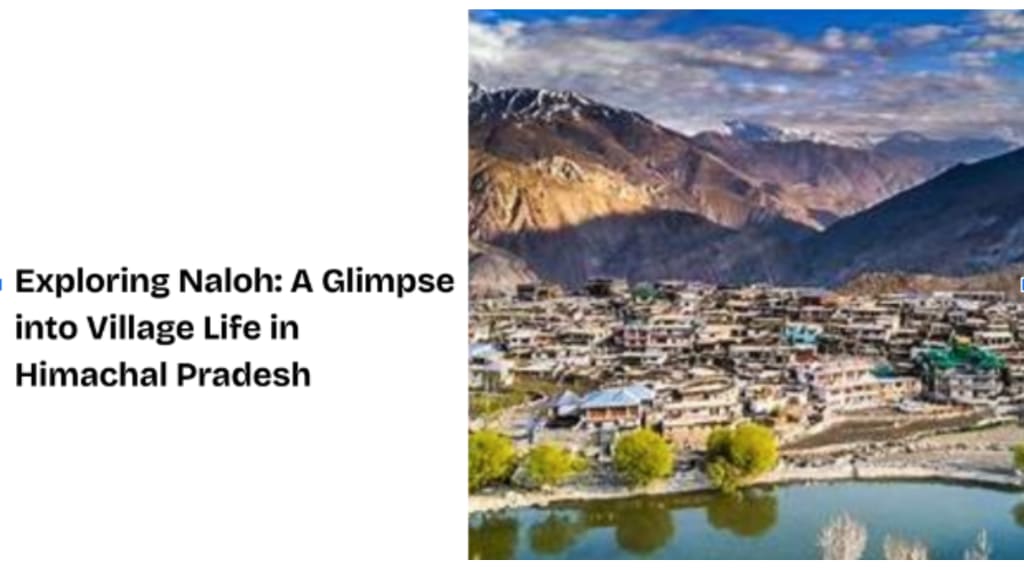
Nestled in the serene landscapes of Himachal Pradesh, Naloh is a quaint village located in the Amb Tehsil of Una district. This picturesque hamlet offers a unique blend of cultural richness, natural beauty, and traditional Indian village life. In this blog, we delve into various facets of Naloh, providing insights into its demographics, cultural practices, daily life, and more.
Demographics and Population
According to the 2011 Census, Naloh is a small village encompassing an area of 145 hectares. It is home to 245 residents, comprising 113 males and 132 females, resulting in a sex ratio of approximately 1168 females for every 1000 males. The village boasts a commendable literacy rate of 81.63%, with male literacy at 85.84% and female literacy at 78.03%. (VillageInfo)
Education and Literacy
Education holds a significant place in Naloh, as evidenced by its impressive literacy rates. The village is served by local educational institutions, such as GPS Naloh, which cater to the academic needs of its young residents. The emphasis on education reflects the community's commitment to fostering knowledge and learning among its members. (Schools.org)
Cultural Practices and Festivals
Naloh's cultural fabric is woven with traditional practices and vibrant festivals that mirror the rich heritage of Himachal Pradesh. While specific festivals celebrated in Naloh are not extensively documented, the Una district is known for several significant fairs and festivals:
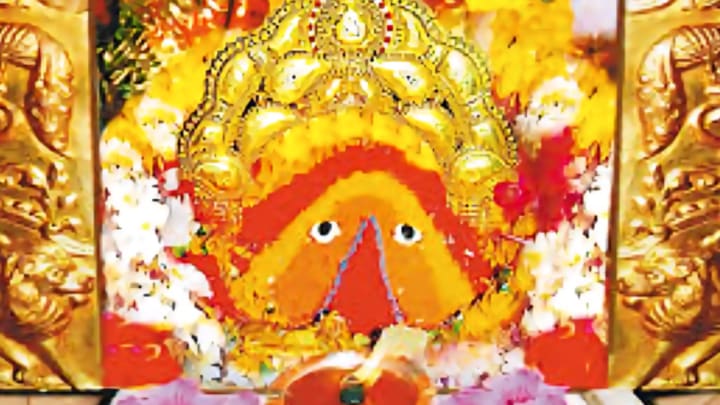
Chintpurni Fair: Held at the renowned Chintpurni Temple, this fair attracts devotees and tourists alike, celebrating the goddess Chinnamastika.
Prakash Utsav: Celebrated at Gurudwara Baba Sahib Singh Ji from March 26 to 28 annually, this festival holds immense importance for the local Sikh community. (HimachalWorld)
Baisakhi and Holi: These widely celebrated festivals mark the harvest season and the arrival of spring, respectively, and are observed with great enthusiasm across the region.
More information: https://hpuna.nic.in/tourist-place/dera-baba-gurbarbhag-singh-mairi/
Location: https://maps.app.goo.gl/CQLjWbD7rtgLi7ou9
Daily Life and Occupations
The residents of Naloh predominantly engage in agriculture and allied activities, reflecting the agrarian nature of the village. Daily life is characterized by traditional farming practices, community gatherings, and a lifestyle deeply connected to the rhythms of nature. The simplicity and tranquility of village life offer a stark contrast to the hustle and bustle of urban centers.
Natural Beauty and Environment
Surrounded by lush greenery and scenic landscapes, Naloh provides a serene environment that is both rejuvenating and inspiring. The village's natural beauty is accentuated by its proximity to various hills and forests, making it an ideal spot for nature lovers and those seeking solace away from city life.
Challenges and Development
Like many rural areas, Naloh faces challenges related to infrastructure, healthcare, and employment opportunities. Efforts are continually being made to address these issues through government initiatives and community participation. The focus remains on sustainable development while preserving the village's cultural and environmental heritage.
Frequently Asked Questions (FAQ)
1. Where is Naloh located?
Naloh is a village situated in the Amb Tehsil of Una district in Himachal Pradesh, India.
2. What is the population of Naloh?
As per the 2011 Census, the village has a total population of 245 people.
3. What are the main occupations of people in Naloh?
Agriculture is the primary occupation of the villagers, along with some engagement in allied activities such as animal husbandry.
4. What festivals are celebrated in Naloh?
The village celebrates various regional festivals, including Baisakhi, Holi, and the famous Chintpurni Fair.
5. What are the major challenges faced by the villagers?
The key challenges include limited healthcare facilities, infrastructural development, and employment opportunities.
Conclusion
Naloh stands as a testament to the enduring charm and resilience of rural India. Its rich cultural tapestry, coupled with the simplicity of village life, offers invaluable insights into the traditions and lifestyles that have shaped the region for centuries. As we explore and appreciate such villages, it becomes imperative to support and promote sustainable development initiatives that enhance the quality of life for their residents while preserving their unique heritage.
About the Creator
Keep reading
More stories from writers in Viva and other communities.
Germany Downplays US Threat to Greenland
Introduction Recent comments about the United States and Greenland have drawn international attention, especially in Europe. Reports suggesting that the US could threaten or pressure Greenland have raised concerns among NATO allies and Arctic nations. In response, Germany’s Foreign Minister Johann Wadephul has moved to calm the situation. He has clearly stated that Germany does not see a serious or immediate threat from the United States toward Greenland and has urged allies to focus on cooperation rather than speculation.
By sehzeen fatima6 days ago in Viva
Silver Screen Magic with Mae West
American actress and singer Mae West became a popular film actress during the Great Depression. She started entertaining in vaudeville, then performed on Broadway, and finally went to Hollywood. She signed up with Paramount Pictures and made her debut in the 1932 film “Night After Night.” She also starred in musicals, comedies, and crime dramas. The American Film Institute named her one of the best classic Hollywood actresses.
By Rasma Raisters6 days ago in Geeks


Comments (1)
Wow…. Its very interesting , well written 🫡