
The History of Kandalama
From Ancient Times to Modern Tourism
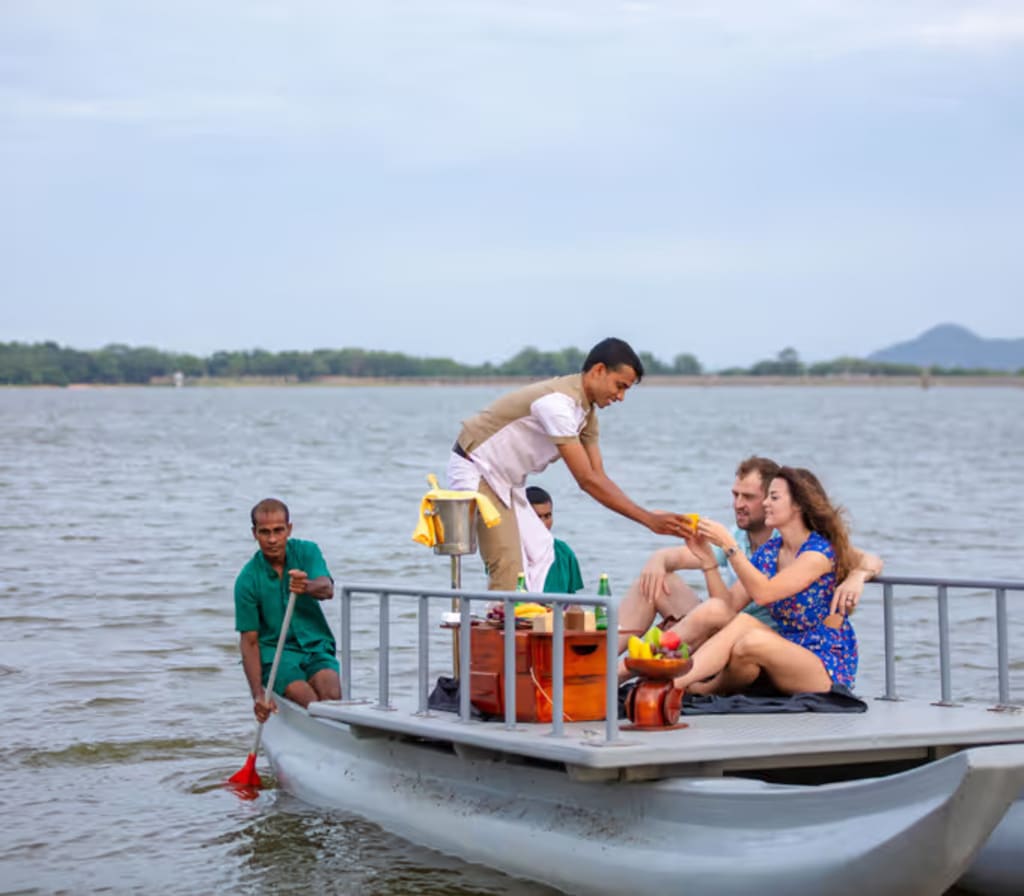
Kandalama lies in Sri Lanka’s Cultural Triangle. This region packs ancient cities like Sigiriya and Anuradhapura. Travelers often pause here for quick photos. Yet it runs deeper. Ancient skills clash with fresh green building tricks.
Take the reservoir. Builders carved it 1,700 years back. It held rain for crops and homes. Dry spells hit hard then. This tank beat them. Water flowed steady. Farms grew. People stayed.
Fast-forward. The Kandalama Hotel grabs eyes worldwide. Architect Geoffrey Bawa shaped it in 1994. He wove it into cliffs and trees. White walls match rock shades. Rooms peek from vines. Rain catches on roofs. No harm to wild spots.
Birds nest near. Monkeys swing close. The site whispers change. Old water lasts. New forms hug earth. Droughts test it still. Designs hold firm. Kandalama proves spots adapt. Quiet life thrives.
The Ancient Legacy of King Vasabha
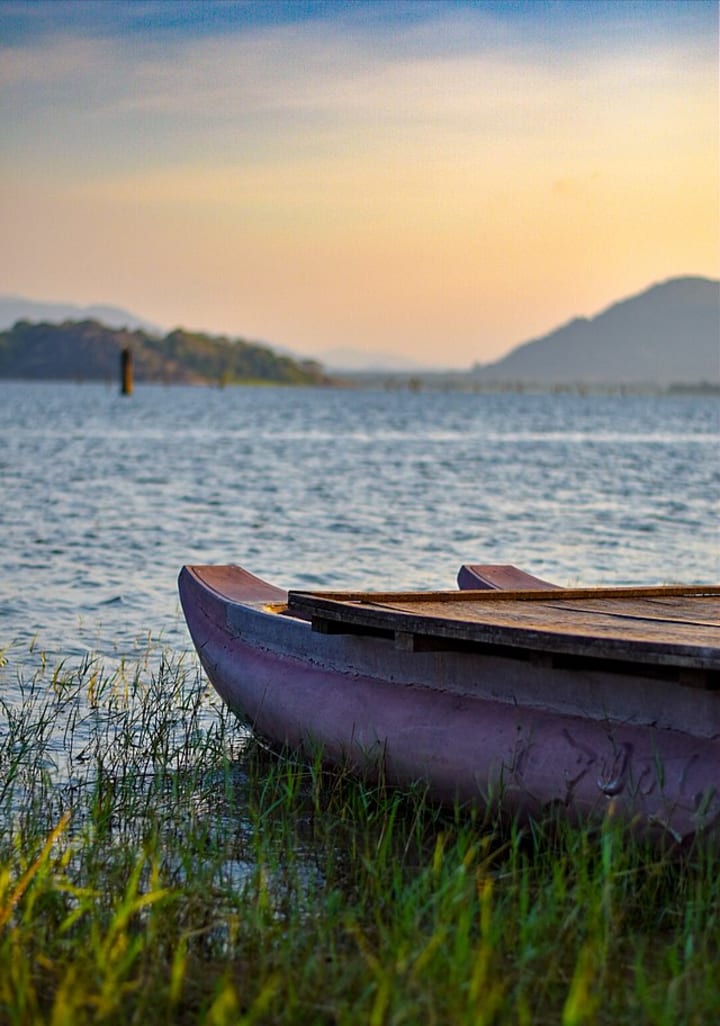
King Vasabha shaped the Kandalama Tank in the 2nd century. He ruled from Anuradhapura in ancient Sri Lanka. Workers dug this vast basin to trap monsoon rains. The reservoir held water for dry spells. Farmers drew from it to grow rice.
A "wewa" names these Sinhala reservoirs. Kandalama stands as the village center now. Channels carry its water to paddies. Crops ripen under the sun. Birds like kingfishers dart over the surface. Fish schools glide below. This spot draws nature lovers. Ancient builders knew its power. It fed thousands then. It sustains life today.
A Colonial Discovery
In the days of British rule over Ceylon, now Sri Lanka, visitors from afar gazed in wonder at the area's stunning views. Ships brought eager explorers and adventurers to the island's shores. They trekked inland to spots like Kandalama, drawn by tales of wild beauty.
These travelers often stopped at the lake's edge. Crystal waters reflected green hills and thick forests. Sunsets painted the sky in bold reds and golds. One look left them breathless.
Travel writers captured these scenes in their notebooks and books. They called the lake a top beauty spot in the whole land. Words like "paradise on earth" filled their pages. Their stories spread back home to Europe, firing up readers' dreams.
The land stayed quiet and simple back then. Small farms dotted the hills. Villages hugged dirt paths. No big roads or hotels broke the peace. Locals fished and grew rice as always.
Yet those vivid tales changed things. Books and letters put Kandalama's name on world maps. People far away learned of its pure charm. Early praise marked it as a gem of nature, worth saving for all time.
This fame grew slow but sure. It sparked interest in the lake's wild side long before crowds came. The old words still echo, reminding us why the place matters.
The Rise of Sustainable Tourism
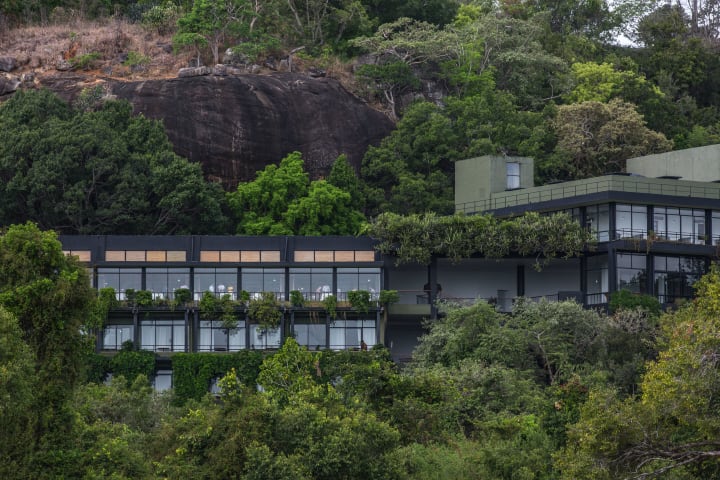
In the 1990s, the area transformed into a global travel destination. The construction of a luxury hotel in Sri Lanka proved that tourism and nature could coexist. This project set a world standard for eco-friendly building practices by blending seamlessly into the jungle rather than clearing it away.
Geoffrey Bawa’s Living Masterpiece
Kandalama draws crowds today for its Tropical Modernism style. This approach blends clean modern shapes with lush tropical features. It lets buildings breathe with the land around them.
A top architect shaped its design. He wedged the core building straight into a sheer rock wall. The structure clings to the stone like part of the cliff itself. Wide roofs slope low. Open walls let breezes flow through.
Time brought big changes. Jungle plants surged ahead. Vines twist up columns. Leaves drape over edges. Moss coats the rock parts. Now, from half a mile out, the place fades into the forest. It hides in plain sight among hills and trees.
This growth opened doors for animals. Monkeys leap from rail to rail on balconies. Birds flit in and out. Small creatures dash across open floors. Guests spot nature up close, with no fences in the way. The hotel feels alive, tied tight to the wild.
About the Creator
Keep reading
More stories from Aurora Gianna and writers in Viva and other communities.
Why Dubai Is the Perfect Destination for a Short City Break
Dubai has become one of the world’s most convenient destinations for travellers seeking a quick yet fulfilling escape. What makes the city stand out is its ability to offer culture, modern attractions, outdoor experiences, and exceptional comfort in a compact, easy-to-navigate setting. A short stay still feels complete because Dubai is designed for visitors who want to maximise their time, explore effortlessly, and enjoy diverse activities without long travel distances. Whether arriving for two days or four, travellers find themselves with more than enough to see, taste, and experience.
By Aurora Gianna2 months ago in Viva
Is Lab-Grown Meat Even Edible?
For decades, the idea of meat grown in a laboratory sounded like something out of science fiction. The concept of producing a steak or chicken nugget without raising or slaughtering animals seemed futuristic, even unsettling to many people.
By Navigating the World2 days ago in Viva
The goddess of ten thousand names.
I wanted to write about the goddess Isis for some time now, but felt like my understanding of her is too limited, and my perspective won’t do this powerful archetype a justice. Mainly because, just like the title of this essay suggests, she was the embodiment of countless archetypes, and I haven’t studied them enough.
By Eva Smitte5 days ago in Viva



Comments
There are no comments for this story
Be the first to respond and start the conversation.