
3 Reasons to Choose Between Foxtail vs Kodo Millets for a Healthier Diet
Millets for healthy diet

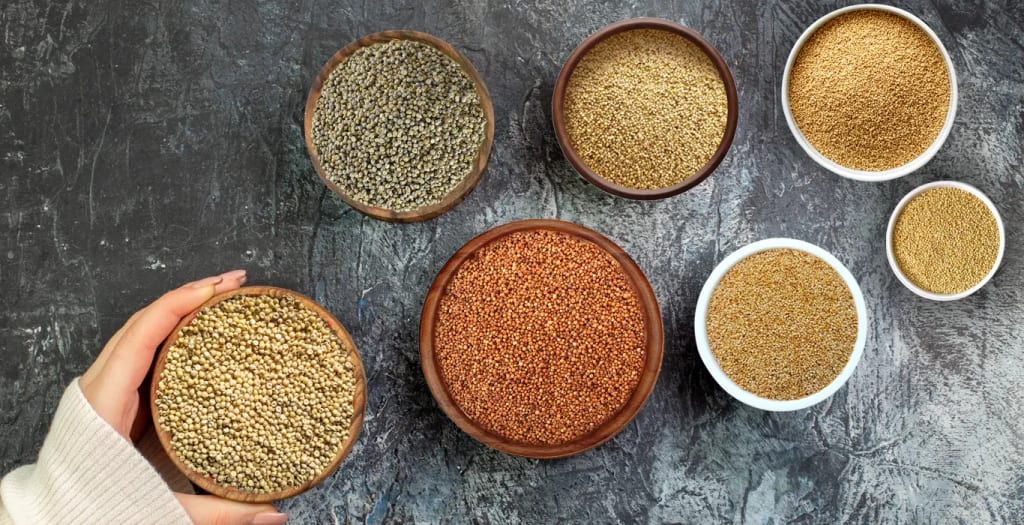
In today’s fast-paced world, prioritizing health and nutrition is more important than ever. With increasing awareness about lifestyle diseases and digestive issues, people are turning toward ancient grains and traditional foods for nourishment. Among these, millets are witnessing a major comeback due to their unmatched nutritional profile, environmental sustainability, and versatility in the kitchen.
Of the extensive range of millets, foxtail millet and kodo millet are two of the most sought-after and health-benefiting grains. Both have amazing health benefits, but the choice between them is based on your individual nutritional requirements and taste.
Here, we shall discuss 3 reasons why you should pick between kodo vs foxtail millets when planning a healthier diet. We shall also mention the advantages of millets, tell you which ones are the most appropriate for diabetes, and end with a primer on where to get quality millet varieties such as Krishiyug.
What Are Millets?
Millets are small-grained grasses grown mainly in Asia and Africa. They are ancient grains that have been consumed as part of traditional diets for millennia and are frequently extolled for their nutritional density, drought tolerance, and short maturation periods.
While refined grains such as wheat or white rice, millets are whole grains containing fiber, vitamins, and minerals. They are gluten-free and hence ideal for those who have gluten intolerance or celiac disease.
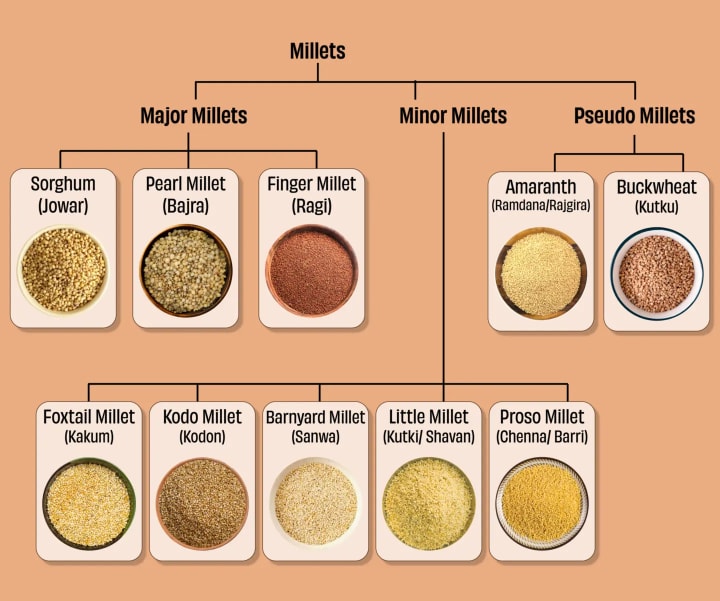
Typical Millets:
Foxtail Millet (Setaria italica)
Kodo Millet (Paspalum scrobiculatum)
Little Millet
Pearl Millet (Bajra)
Barnyard Millet
Finger Millet (Ragi)
Browntop Millet
And now, let's examine foxtail vs kodo millets closely to assist you in making the right choice based on your health requirements.
Reason 1: Nutritional Differences and Health Benefits
Foxtail and kodo millets are both nutritionally rich, though marginally differing in their macro and micronutrients.
Foxtail Millet: A Balanced Powerhouse
Foxtail millet is rich in:
Protein: Helps in the development and repair of muscles
Iron: Increases hemoglobin levels
Magnesium and Phosphorus: Helps to make bones stronger
Vitamin B1 (Thiamine): Helps maintain brain health
Antioxidants: Combats free radicals and decelerates aging
Foxtail millet is also low in GI, which ensures the slow release of sugar into the blood. It assists with:
Regulation of blood sugar levels
Energy levels
Quelling hunger
Kodo Millet: Friendly Gut Grain
Kodo millet has been noted for being:
Dense in dietary fiber: Eases digestion and induces regularity in the bowel
Polyphenols: Active antioxidants that fight off inflammation
Low fat content: Good heart health
Iron and calcium: Builds immunity and strengthens bones
Kodo millet is specially useful in purifying the liver, relieving constipation, and enhancing satisfaction post-meal.
Key Takeaway:
For balanced diet nutrition and metabolism, foxtail millet is your best option. For increased gut health and protection against oxidative damage, kodo millet stands pre-eminent.
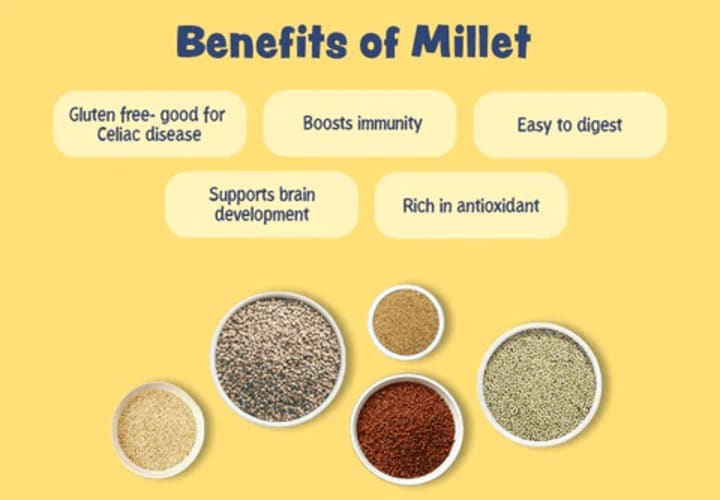
Reason 2: Diabetic Friendliness – Selecting the Best Millets for Diabetes
Diabetes management needs food that stabilizes blood sugar without producing spikes. Both foxtail and kodo millets are good for diabetics, but one has a slight advantage.
Foxtail Millet for Diabetes:
Very low glycemic index
High in dietary fiber that delays glucose absorption
Aids long-term blood sugar control
Enhances insulin sensitivity
Kodo Millet for Diabetes:
Low glycemic index, although slightly higher than that of foxtail
High in polyphenols that lower oxidative stress
Supports healthy digestion and gut flora, which indirectly supports blood sugar balance
Verdict – Best Millets for Diabetes:
Between foxtail vs kodo millets, foxtail millet is generally preferred for diabetics due to its slower release of sugar and greater protein content. Not only does it support glucose control, but it also aids in weight management, which is vital for type 2 diabetes.
Having said this, kodo millet is an extremely good fit for a diet for a diabetic, provided one mixes it up with other entire grains as well as low-GI foodstuff.
Reason 3: Everyday Usefulness, Ease of Digestion, and Day-to-Day Use
It's when the choice comes to two equally good ones that its everyday usage tips the scale in favor. Easy to prepare, flavor, as well as acceptance by the body are deciding parameters.
Foxtail Millet:
Fast-cooking – available within 15 minutes
Has a light, nutty taste
Light texture and easily digestible
Versatile: can be used in pulao, dosa, idli, upma, porridge, and even desserts
It is particularly well-suited for children, old people, or people with sensitive stomachs.
Kodo Millet:
Takes a bit longer to cook
Has an earthy, grainier texture
Slightly more fibrous and dense
Excellent for filling meals like khichdi, millet rotis, and millet rice
It is a great option for individuals seeking a filling food that provides sustained energy.
Digestibility:
Foxtail millet is less stomach-heavy and less bloating-prone.
Kodo millet, though nutritious, needs to be soaked well and cooked well to make it easily digestible.
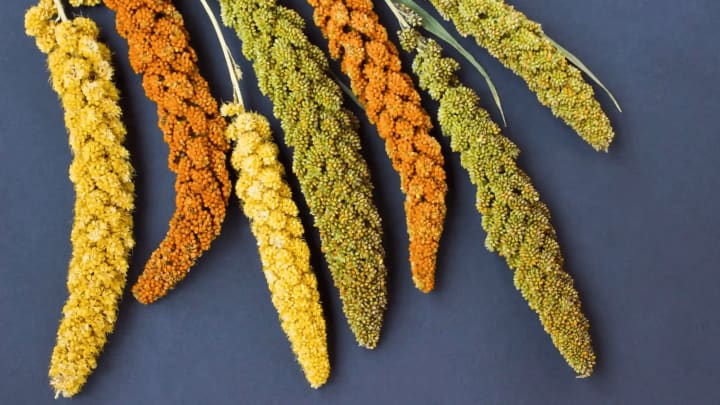
Cooking Tips:
Soak millets for 6–8 hours before cooking them at all times. Nutrient absorption is enhanced and they become easy to digest.
Use alternate days of different millets to receive a wide range of nutrients.
General Advantages of Millets
Whether you opt for foxtail or kodo millet, adding millets to your diet provides a wide variety of health advantages:
1. Weight Control
High fiber intake keeps you satiated for longer and avoids overeating
Reduces overall calorie consumption without sacrificing nutrition
2. Cardiovascular Health
High in magnesium and potassium
Aids in lowering bad cholesterol levels
Regulates blood pressure levels
3. Bone Health
Packed with calcium, phosphorus, and magnesium
Prevents osteoporosis and joint pain
4. Detox and Immunity
Millets assist in detoxifying the liver and kidneys
Boost the immune system with antioxidants and micronutrients
5. Skin and Hair Health
High in protein and amino acids
Maintains young skin and encourages hair growth
How to Use Millets in Your Diet
Here are some simple methods to make foxtail and kodo millets a part of your daily diet:
Breakfast: Millet porridge with nuts and fruits
Foxtail millet idli or dosa
Kodo millet upma
Lunch:Foxtail millet pulao with vegetables
Kodo millet khichdi with lentils
Millet salad bowl
Dinner:Millet roti or wraps
Stir-fried millet with vegetables
Kodo millet soup with herbs
Snacks:Millet laddoos
Baked millet crackers
Millet energy bars
Sustainability and Millet Farming
Besides health advantages, millets are also eco-friendly:
Need less water and no chemical fertilizers
Grow well in poor soils and harsh weathers
Foster biodiversity and lower carbon footprint
By consuming millets, you are not just enhancing your health but also contributing to sustainable agriculture.
Who Can Consume Millets?
Millets can be consumed by nearly everyone, particularly:
Diabetics or prediabetic individuals
Individuals with gluten intolerance
Children and teenagers for development
Older people for simple digestion
Women with hormonal imbalance or PCOD
Bodybuilders seeking natural protein
Precautions During Consuming Millets
While millets are healthy and safe, these are some guidelines to make sure you reap the maximum benefits:
Switch your grains: Don't stick to one kind; blend various millets during the week.
Soak and cook well: Facilitates breaking down of anti-nutrients such as phytic acid.
Drink plenty of water: Millets contain high fiber and may cause constipation if water consumption is minimal.
Portion control: Even nutritious grains can cause weight gain if eaten in large quantities.
Conclusion: Krishiyug – Your Reliable Partner for Quality Millets
The decision between foxtail vs kodo millets is simply a matter of your own dietary requirements and preferences. Both contain different health benefits, and each has its own useful place in a balanced, whole-food diet. If you're living with diabetes, foxtail millet can be your best friend. If you're looking for enhanced gut health and antioxidant cover, kodo millet is an ideal choice.
To avail of the entire health benefit of millets, make sure you purchase fresh, unpolished, and naturally grown grains.
That's where Krishiyug is here.
Krishiyug provides an array of premium-grade millets such as:
Foxtail Millets
Kodo Millets
Pearl Millets
Little Millet
Browntop Millet
Every millet is sourced with care, hygienically processed, and packaged to preserve its natural goodness. As a health-conscious consumer, diabetic patient, or someone who wants to switch to traditional grains, Krishiyug has everything you desire under one roof.
Experience healthy living with Krishiyug – where tradition and nutrition converge.
About the Creator
Keep reading
More stories from writers in Viva and other communities.
The 1ct Engagement Ring: Why This "Sweet Spot" is the Biggest Wedding Trend of 2026
Choosing an engagement ring is perhaps the most high-pressure purchase a person can make. You want it to be breathtaking, timeless, and—let’s be honest—impressive. While the trend of "bigger is better" dominated the early 2020s, 2026 has brought us back to a more refined realization: the 1ct engagement ring is the absolute "Goldilocks" of the jewelry world.
By Mohd Kaish6 days ago in Viva
Prosecutors Demand Death Sentence for Ex–South Korean President Yoon Over Martial Law Crisis
In a case that has sent shockwaves through South Korea and drawn international attention, independent prosecutors have formally demanded the death penalty for former president Yoon Suk Yeol, accusing him of leading an insurrection through his short-lived but explosive declaration of martial law in late 2024. The move marks one of the most dramatic moments in South Korea’s modern democratic history and underscores how seriously authorities view the former leader’s actions.
By sehzeen fatima7 days ago in Viva
So You Decided To Become a Nurse Practitioner:
So you decided to become an "Advanced Practice" nurse. Congratulations!... is what I would say if this was a good idea. Grad school? In this economy? What were you thinking? Likely it was something along the lines of either 1) “I've seen these other chucklefucks do it— Why can't I?” or even 2) “I've got a nice career, I should shake it up. I miss feeling like I have no clue what I'm doing.”
By Sandor Szabo3 days ago in Fiction




Comments
There are no comments for this story
Be the first to respond and start the conversation.