
The Smashing Machine and the Cost of Survival: Remembering Mark Kerr
Looking back at Mark Kerr’s brutal brilliance, his collapse, and his quiet redemption—how one fighter’s rise and fall exposed the truth behind the illusion of toughness.

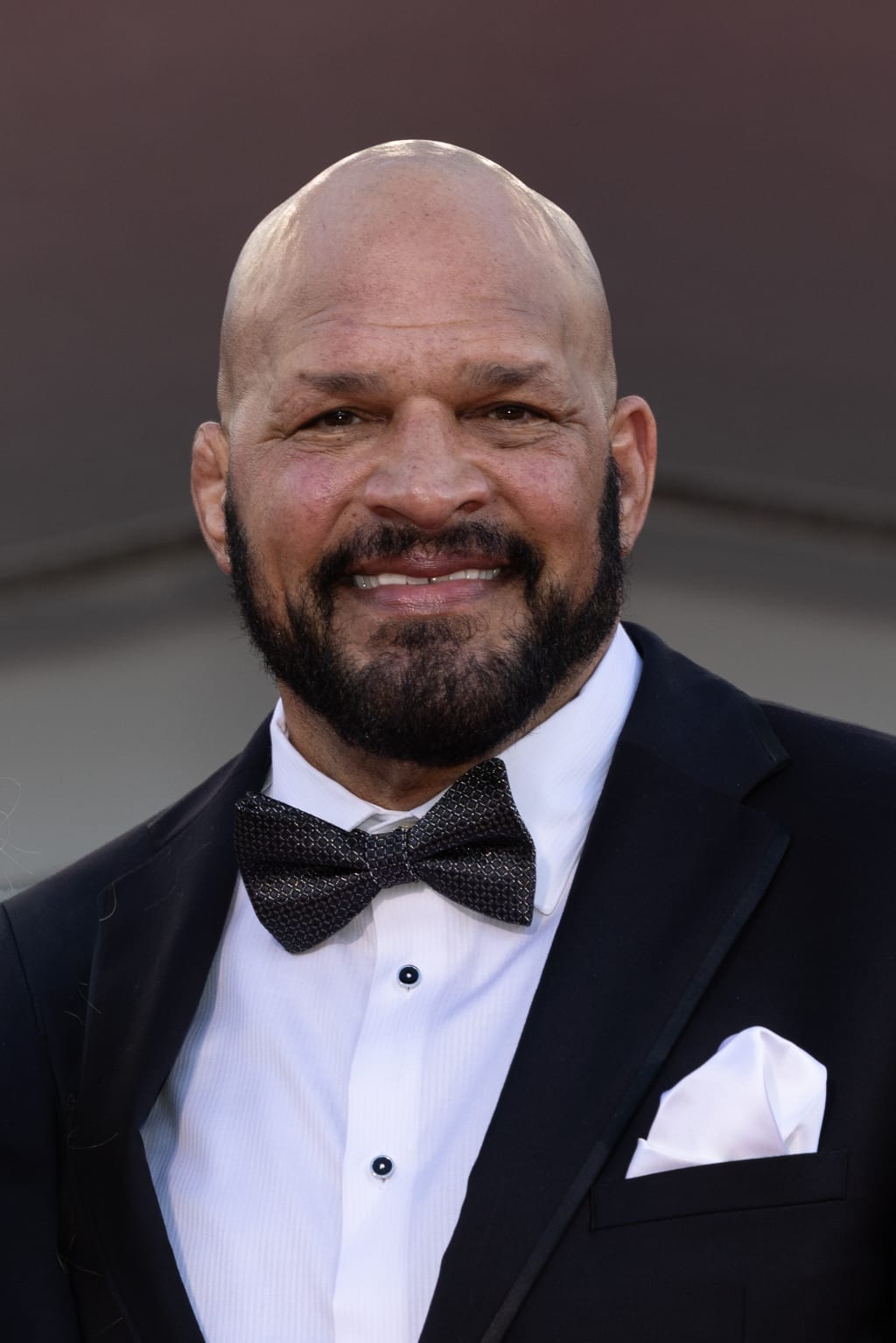
When I first saw Mark Kerr fight, I wasn’t seeing a man—I was seeing an idea. A prototype of invincibility, molded in muscle and fury, tearing through opponents with the precision of a hammer striking glass. Pride Fighting Championship in the late 1990s felt like something unfiltered, as if the concept of violence had been dropped back into its raw, prehistoric state. Kerr was its perfect expression: a collegiate wrestling champion turned mixed martial arts titan, a man built to win before he even stepped into the ring.
But beneath the violence, there was exhaustion. I didn’t see it at first, though hindsight makes it obvious—the forced smiles, the quiet backstage moments captured in HBO’s The Smashing Machine, the documentary that stripped away the mythology and left behind the ache. Before that film, fans like me believed in the clean thrill of dominance. After it, we started to understand the slow decay that hid behind the roars and flashing lights.
Kerr wasn’t just fighting opponents. He was fighting everything: addiction, disillusionment, and the quiet erosion of purpose that follows men who think they are indestructible. In that sense, he was America’s archetype of strength—burning too bright, collapsing under the expectations that made him famous.
The first time I watched The Smashing Machine, I remember feeling a strange guilt. Here was a man everyone called a monster, shown crying in the backseat of a car, lost in the fog of painkillers. His partner pleaded with him to stop; his friends looked away, uncomfortable. For me, that was the real fight—the one against the internal machinery that keeps turning long after the lights go out. The illusion of control dissolved in those scenes, replaced by something uncomfortably human.
When I think about Kerr now, I don’t picture the young man who crushed opponents in Japan. I think of the exhausted veteran puncturing the myth of masculinity that built him. There was a point in the late 2000s when I ran into a brief clip of him giving an interview—no hype, no sponsors, just an older man reflecting on wasted years and misplaced pride. That quiet humility felt heavier than any heavyweight bout. I realized then how much we ask from fighters—literal and metaphorical ones—to perform their own destruction for our entertainment.
Maybe that’s why his story has always haunted me. Kerr wasn’t the villain or the hero; he was the cost. The living proof of what happens when a man’s physical triumph becomes his only identity. Most of us will never experience the roar of a stadium, but we understand what it means to hide our unraveling. The difference is that we get to do it in private.
There’s something timeless about watching an athlete collapse in real time. It evokes pity, fascination, even resentment. We love comebacks, but we’re even more enthralled by breakdowns. In Kerr’s case, the fall was uncomfortably raw. Unlike other fighters who staged theatrical declines, his descent was documented clinically—shaky hands, vacant eyes, broken promises. And yet, there was tenderness within that wreckage. His softer moments showed that redemption wasn't about triumph—it was about surviving yourself.
I sometimes wonder how Kerr’s story would play out in today’s world of social media and performative vulnerability. Would we have empathy for his addiction? Or would the memes and hot takes bury him faster than his own body chemistry ever could? His story predates the age of image curation, so it feels painfully analog—captured on grainy film, left to speak for itself. That gives it honesty, the kind that vanishes when tragedy becomes content.
In many ways, MMA was evolving just as Kerr was disintegrating. The sport was getting more structure, more science, more regulation, while he remained a creature of rawness—an old warrior lost in modernity. His fall wasn’t just personal; it was generational. A bridge between chaos and professionalism, lost somewhere in translation.
What redeems his story for me isn’t the tragedy. It’s what came after. Kerr’s later-life quiet resilience—his teaching, his mentorship, his willingness to talk about addiction without self-pity—was the real win. Not a knockout or a medal, but the simple endurance of a man who somehow refused to disappear.
When I look at his legacy now, I feel conflicted gratitude. The Smashing Machine didn’t just chronicle the brutality of one man’s career; it forced fans like me to reexamine what we cheer for. It exposed the economy of suffering behind every prizefight, every shape of male strength we glorify and consume. Kerr helped me see toughness differently—not as resistance to pain, but as acknowledgment of it.
I still rewatch parts of the documentary sometimes. Not for nostalgia, but for honesty. His words, often halting, carry more courage than the roar of a crowd ever could. “There’s a part of me that still believes I can fix it,” he once said, and in some way, he did. Maybe not the way fans hoped—but enough to remind us that broken doesn’t mean finished.
Mark Kerr’s name might not dominate highlight reels anymore, but it lingers in the shadows of every fighter who walks into a cage today. His story remains a warning and a mirror—a reminder that the hardest opponent isn’t the man across from you, but the void inside you after the applause fades.
About the Creator
Trend Vantage
Covering the latest trends across business, tech, and culture. From finance to futuristic innovations, delivering insights that keep you ahead of the curve. Stay tuned for what’s next!
Keep reading
More stories from Trend Vantage and writers in Unbalanced and other communities.
Inside the Octagon: What the UFC Really Teaches Us About Control and Chaos
I started watching the UFC when I was too young to understand what I was really seeing. Back then, it looked like chaos—two people locked in a cage, throwing strikes and elbows while someone in black gloves shouted commands from the edge. But over time, I realized that it wasn’t chaos at all. It was the most distilled version of order under pressure. Every punch, every feint, every inch of footwork carried meaning. Even the fighters who looked reckless had patterns. There’s no accident in survival.
By Trend Vantageabout 3 hours ago in Unbalanced
Wild Card Weekend Recap: What Happens Now?
I think I figured out why I love Wild Card Weekend so much. It's because it's the first playoff anything of the calendar year. The NFL season starts in the fall, and once upon a time, the champion was crowned either on or slightly before New Year's. The evolution of the NFL schedule has resulted in the playoffs starting just into the New Year, and currently, the final week of the season falls on the first weekend of the New Year, with Wild Card Weekend coming a week after that. So yes, chronologically, the NFL's Wild Card Weekend serves as the first playoff anything of the calendar year.
By Clyde E. Dawkins11 days ago in Unbalanced
Lamar Odom DUI Arrest Article – Complete
Sober driving is the only rational way to drive on the roadways. NBA two-time champion Lamar Odom was picked up for driving under the influence, violating lane changing protocol, and for not maintaining his vehicle in his own lane.
By Skyler Saunders6 days ago in Unbalanced
Autonomy Is The Real Privilege
Good morning, freedom-seekers! Today we’re gonna be looking at autonomy. A strange word, I know; one many would probably look at blankly and run away from on sight. We’re gonna figure out what it actually means, consider how it’s achieved, and decipher just how deeply most of us are tangled up in dependence without realising it.
By That ‘Freedom’ Guy4 days ago in Humans



Comments
There are no comments for this story
Be the first to respond and start the conversation.