
Inside the Octagon: What the UFC Really Teaches Us About Control and Chaos
A lifelong fan reflects on how the UFC’s beautiful brutality reveals something unsettling—and honest—about human nature and the myth of control.

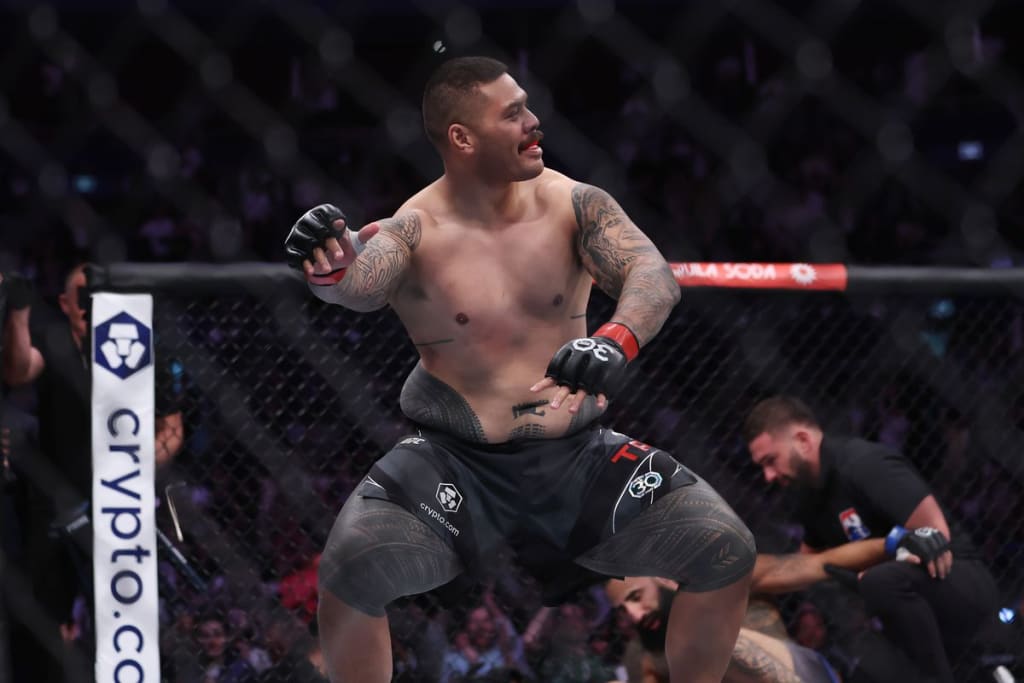
I started watching the UFC when I was too young to understand what I was really seeing. Back then, it looked like chaos—two people locked in a cage, throwing strikes and elbows while someone in black gloves shouted commands from the edge. But over time, I realized that it wasn’t chaos at all. It was the most distilled version of order under pressure. Every punch, every feint, every inch of footwork carried meaning. Even the fighters who looked reckless had patterns. There’s no accident in survival.
That’s what keeps me fascinated: this balance between control and collapse. I’ve watched champions dominate entire divisions and then crumble overnight. One mistake—a fraction too slow on a reaction, an ego too large to tap—and it’s over. Strangely, a sport built on violence could feel so philosophical, but when I think about the UFC now, I think less about who wins and more about what it means to keep showing up in a place that punishes you for being human.
We celebrate violence, but we rarely admit why. Watching someone take damage safely, within rules, scratches at the same primal nerves our ancestors felt when they saw dominance decided in real time. But there’s also something intimate about it. In few other sports does failure look so naked. A fighter can’t blame a bad call or a teammate. When the door shuts, accountability is literal and complete. That starkness feels almost sacred now, in a culture obsessed with avoiding blame.
The UFC sells control—the idea that through discipline and training, chaos can be mastered. Fighters train their bodies to behave like weapons, their minds to react like machines. But watch closely, and you notice the illusion. No matter how sharp or strategic someone is, chaos never goes away. Even the most dominant fighters lose. Even the most savage knockouts come from something unplanned: an opponent dipping the wrong way, a foot slipping on sweat. Control isn't the law of the cage—it’s the exception.
Take someone like Khabib Nurmagomedov. His domination wasn’t just about strength; it was about submission—to structure, to repetition, to predictability. He didn’t chase the knockout. He crushed the unpredictable until it folded into his plan. And then he walked away undefeated, not because he was invincible, but because he understood when to stop. Contrast that with someone like Conor McGregor—flash, chaos, a man possessed by risk. His highs were extraordinary; his lows spectacular. Together, they explain everything you need to know about balance in life: that discipline without expression suffocates, and chaos without control destroys.
I think that’s why I keep watching. The UFC has evolved so much—from its rough, unregulated early days to a corporatized global spectacle—but the undercurrent remains the same. Fighters remain artists of damage. There’s still something reckless and beautiful about men and women stepping into that space, knowing the pain is real but doing it anyway. Even when the UFC turns into glitz and pay-per-view numbers, the essence survives in those moments right before a fight begins—when both athletes touch gloves, their breath shallow, their eyes steady. Everything civilized in them wars against what comes next.
The more I watch, the less it feels like entertainment and the more it resembles ritual. The cage isn’t a place of savagery—it’s a stage for truth. The things we pretend don’t exist out here—fear, exhaustion, desperation—exist in their purest form in there. A fighter holding a choke long enough to see their opponent’s will fade teaches more about control than any self-help book. A fighter getting their head kicked clean off teaches more about humility than most classrooms ever could.
There’s also something unavoidably tragic about the UFC. Every fight we cheer for leaves invisible scars. Every win carries a cost someone has to live with when the cameras turn away. I used to think these athletes were built differently. But now I see what they’re really doing is living publicly at an extreme that the rest of us only imagine. Their chaos, their control, it’s all just amplified. Maybe that’s what draws us in—the illusion that through them, we might learn something about surviving our own battles.
Every time I hear Bruce Buffer roar a fighter’s name, I feel that mix of nerves and awe again. Not because I’m invested in who wins, but because I admire anyone willing to wrestle with chaos face-to-face. It doesn’t matter if it’s in a cage or in daily life. Control is temporary, dominance fleeting, but the courage to step in despite knowing that is the purest honesty I can think of.
So, when I watch the UFC now, I’m not just watching violence. I’m watching an unspoken philosophy in motion: the struggle between what we can master and what will always master us. The octagon is just a microcosm of that battle—one where every punch is a question of how much control we pretend to have, and every knockout is the universe’s reminder that we never really did.
About the Creator
Trend Vantage
Covering the latest trends across business, tech, and culture. From finance to futuristic innovations, delivering insights that keep you ahead of the curve. Stay tuned for what’s next!
Keep reading
More stories from Trend Vantage and writers in Unbalanced and other communities.
When the Pacers Met the Thunder: A Clash of Two Basketball Philosophies
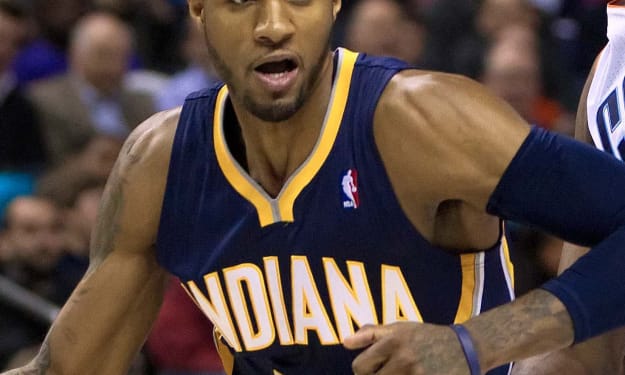
I’ve always believed that some NBA games tell a story that extends well beyond the scoreboard. When the Indiana Pacers met the Oklahoma City Thunder this week, I didn’t see it as another midseason matchup. I saw a quiet statement about what each franchise values: the art of cohesion versus the thrill of explosiveness. The Pacers have become a model for patience and system-driven offense. The Thunder, meanwhile, have turned raw energy and controlled chaos into a weapon that feels almost cinematic. Watching them collide was like seeing a minimalist jazz trio square off against a punk band.
By Trend Vantageabout 5 hours ago in Unbalanced
Wild Card Weekend Recap: What Happens Now?
I think I figured out why I love Wild Card Weekend so much. It's because it's the first playoff anything of the calendar year. The NFL season starts in the fall, and once upon a time, the champion was crowned either on or slightly before New Year's. The evolution of the NFL schedule has resulted in the playoffs starting just into the New Year, and currently, the final week of the season falls on the first weekend of the New Year, with Wild Card Weekend coming a week after that. So yes, chronologically, the NFL's Wild Card Weekend serves as the first playoff anything of the calendar year.
By Clyde E. Dawkins11 days ago in Unbalanced
Homestand Part IV: Crushed
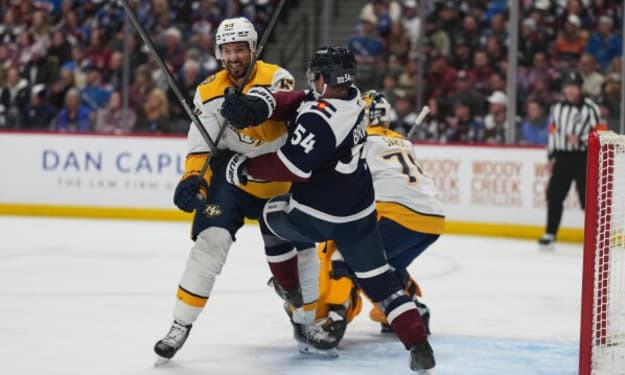
Well... that happened. The Colorado Avalanche had a long layoff after the overtime loss to the Toronto Maple Leafs. That loss snapped a 17-game home winning streak, but the points streak remained. 22 home games, lost three--all past regulation. After three days off, the Avs were back in action against the Nashville Predators, and I always get nostalgic when the Avs and Preds get together. The teams met twice in the playoffs, in 2018 and 2022, and because of those meetings, I've always said that it's fun when these teams get together.
By Clyde E. Dawkins5 days ago in Unbalanced


Comments
There are no comments for this story
Be the first to respond and start the conversation.