
The cause of the recession
I. Introduction II. Monetary Policy III. Fiscal Policy IV. Overheating V. Bubbles VI. Conclusion

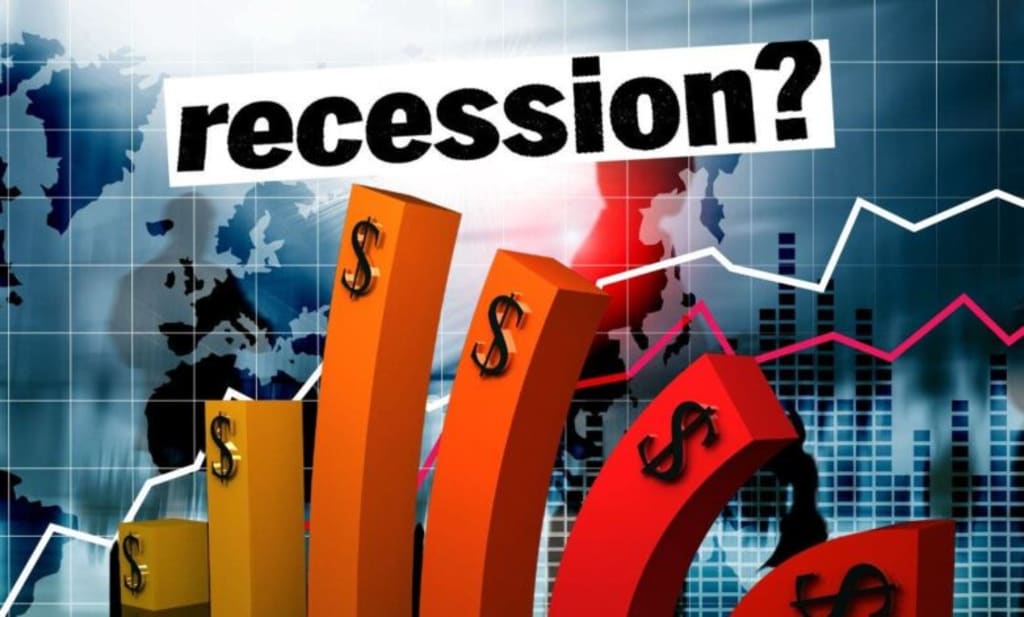
I. Introduction
A. Definition of recession: A recession is a period of economic decline, typically characterized by a fall in gross domestic product (GDP), a rise in unemployment, and a decline in consumer spending and investment.
B. Importance of understanding the causes of a recession: Understanding the causes of a recession is important because it can help policymakers and businesses make better decisions to prevent recessions from happening or to mitigate their effects.
II. Monetary Policy
A. Explanation of how monetary policy works: Monetary policy is the process by which a central bank manages the supply of money in an economy to achieve certain economic goals.
B. How tightening of monetary policy can lead to a recession: When a central bank raises interest rates, it makes borrowing more expensive, which can slow economic growth and lead to a recession.
C. Examples of how monetary policy has caused recessions in the past: For example, the Federal Reserve's tightening of monetary policy in the late 1970s and early 1980s is often seen as a contributing factor to the 1981-1982 recession.
III. Fiscal Policy
A. Explanation of how fiscal policy works: Fiscal policy is the process by which governments use spending and taxation to influence the economy.
B. How austerity measures can lead to a recession: When governments cut spending or raise taxes, it reduces the overall level of demand in the economy, which can slow economic growth and lead to a recession.
C. Examples of how fiscal policy has caused recessions in the past: For example, the austerity measures implemented in many European countries in response to the sovereign debt crisis of the 2010s is often seen as a contributing factor to the recession that began in that decade.
IV. Overheating
A. Explanation of what an overheated economy is: An overheated economy is one where growth is so strong that it leads to rising prices and inflation.
B. How inflation and interest rate hikes can lead to a recession: When prices are rising rapidly, central banks may raise interest rates to try to slow the economy down, which can make borrowing more expensive and slow economic growth.
C. Examples of how overheating has caused recessions in the past: For example, the overheating of the economy in the late 1990s in some countries, led to the dot-com bubble bursting in 2000, which caused a recession in some countries.
V. Bubbles
A. Explanation of what an asset bubble is: An asset bubble is a situation where the price of an asset, such as stocks or real estate, becomes disconnected from its underlying value and rises to unsustainable levels.
B. How asset bubbles can lead to a recession: When an asset bubble bursts, it can cause a decline in the value of the asset, which can lead to losses for investors and a decline in consumer and business confidence, which can slow economic growth.
C. Examples of how asset bubbles have caused recessions in the past: For example, the housing market bubble of the 2000s that burst in 2008 caused a severe recession in the US and other countries.
VI. Conclusion
A. Summary of key points: The causes of a recession can include monetary policy, fiscal policy, overheating, and asset bubbles.
B. The importance of understanding the causes of a recession to prevent future recessions: Understanding the causes of a recession can help policymakers and businesses make better decisions to prevent recessions from happening or to mitigate their effects.
C. The potential for multiple causes of a recession to work together to bring about an economic downturn: In many cases, multiple factors can contribute to a recession, and different causes can interact with one
About the Creator
Dhanasekar S
"Unlock the power of knowledge with my accurate and informative responses."
Keep reading
More stories from writers in Trader and other communities.
Silver Screen Magic with Mae West
American actress and singer Mae West became a popular film actress during the Great Depression. She started entertaining in vaudeville, then performed on Broadway, and finally went to Hollywood. She signed up with Paramount Pictures and made her debut in the 1932 film “Night After Night.” She also starred in musicals, comedies, and crime dramas. The American Film Institute named her one of the best classic Hollywood actresses.
By Rasma Raisters6 days ago in Geeks




Comments
There are no comments for this story
Be the first to respond and start the conversation.