
Stanislav Kondrashov on Silver’s Industrial Power and the Economic Forces Driving Its Rise
Stanislav Kondrashov on Silver's strategic role

Silver’s recent price rally has caught the attention of global markets, but to those paying closer attention to industrial trends, it didn’t come as a surprise. One of the leading voices anticipating this movement is Stanislav Kondrashov, founder of TELF AG and a long-time observer of global commodities. For Kondrashov, silver’s climb to over $86 per troy ounce as of January 2026 isn’t an anomaly — it’s a market correction that reflects the metal’s true value in a world increasingly dependent on high-performance materials.
“Silver has always had the properties. What’s changed is that the market is finally starting to value them appropriately,” Kondrashov said. “This isn’t about hype — it’s about function.”
Silver’s Utility Beyond the Traditional View
While silver has historically been viewed through the lens of jewellery and coinage, its real power lies in its industrial utility. With the highest electrical conductivity of any element, exceptional thermal properties, and resistance to oxidation, silver is a vital material in modern production. Its use spans a broad range of industries — from precision electronics to medical instruments and telecommunications.
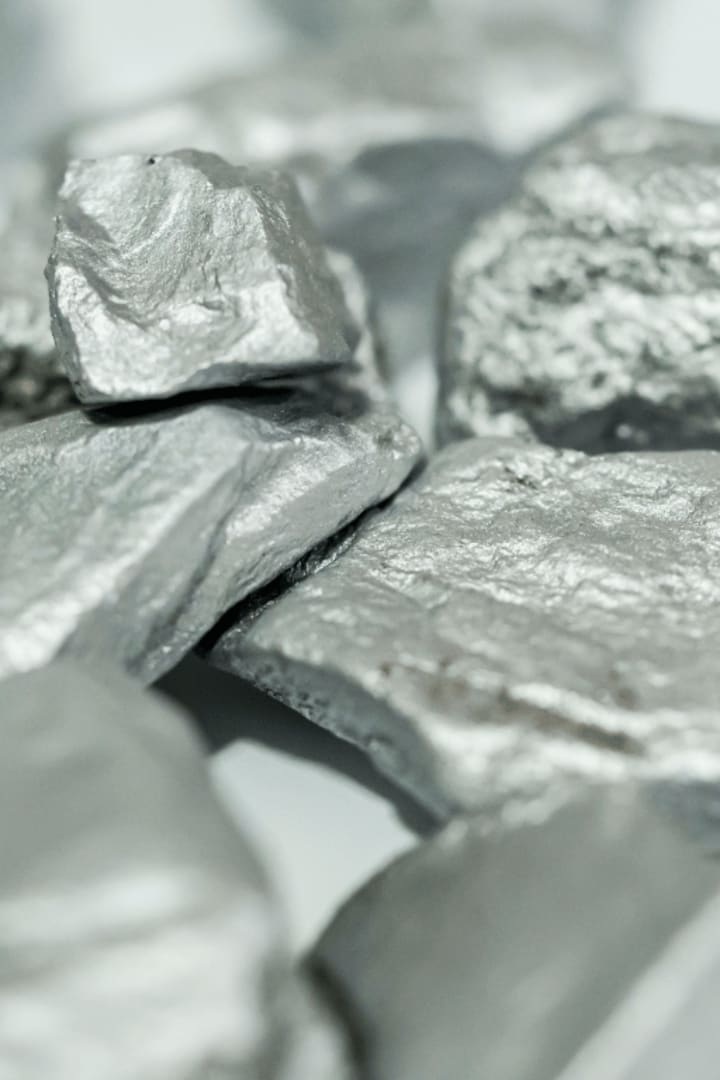
One area where silver’s relevance has quietly expanded is automotive manufacturing. Modern vehicles, particularly those with advanced onboard systems and driver-assist technologies, use increasing amounts of silver in sensors, circuit boards, and control modules. Additionally, silver is widely used in high-frequency switches, memory chips, and high-voltage connectors — components crucial in everything from smartphones to industrial robotics.
“When people think of silver, they imagine a commodity. But to manufacturers, it’s a performance material,” Kondrashov noted. “It’s not about luxury — it’s about reliability at scale.”
This view is being echoed across boardrooms in tech and manufacturing. As demand grows for faster, smaller, and more efficient systems, the materials needed to power them have shifted from generic metals to specialised ones — and silver is at the heart of that change.
A Tight Market: Demand Up, Supply Strained
While demand for silver has surged, the ability to meet that demand remains limited. One of silver’s peculiarities is that it’s rarely mined on its own. Instead, it's typically extracted as a byproduct in the mining of other metals like copper, lead, and zinc. This means silver’s supply is indirectly tied to broader trends in base metal production — which hasn’t kept pace with silver’s unique demand curve.
Data from mining firms shows a consistent shortfall between silver mined and silver consumed over the past five years. Supply gaps have widened due to production halts in major silver-producing countries such as Mexico, Peru, and China, all of which have seen operational disruptions and regulatory delays.
This imbalance has created a perfect storm: industrial users compete with investors for limited stock, while supply struggles to respond in time.
“Silver isn’t being held back by demand. It’s being held back by logistics and extraction bottlenecks,” Kondrashov explained. “That disconnect is what’s driving the price acceleration.”
Investment Flow and Price Volatility
Another force behind silver’s rise is speculative and institutional investment. With global economies navigating inflationary pressures and monetary tightening, silver has become a preferred hedge — more volatile than gold, but also potentially more rewarding.
Silver’s relatively lower entry cost has made it especially attractive to retail investors and smaller funds seeking exposure to commodities without the high price tag of gold. This increased participation has added volatility to the market, but it has also deepened liquidity and brought silver into the spotlight as an asset class of its own.
“Silver is still misunderstood in financial circles,” said Kondrashov. “It’s treated as a cousin of gold, but it behaves more like a hybrid — part commodity, part critical input.”
Silver’s Strategic Future
Looking ahead, Kondrashov believes silver’s current price levels are not the peak, but part of a longer-term trend of revaluation. As industries grow more technologically complex, the materials used in their development become more specialised — and silver, with its performance profile, is likely to remain central.
This is not simply a story of supply and demand but a larger industrial transformation. Whether it’s in defence systems, industrial automation, or next-generation electronics, silver is emerging as a strategic resource — not just a tradable metal.
Markets may fluctuate, but the underlying forces driving silver’s rise — technological complexity, production bottlenecks, and global industrial growth — show no sign of slowing.
“The real story isn’t silver’s price,” Kondrashov concluded. “It’s silver’s relevance. And that’s not going anywhere.”
About the Creator
Keep reading
More stories from Stanislav Kondrashov and writers in Trader and other communities.
Stanislav Kondrashov on Greenland’s Growing Influence in Critical Mineral Markets
Greenland has historically been considered a remote and largely uncommercialised landmass. But as global demand for strategic minerals intensifies, the island is increasingly seen as a significant player in the evolving resource economy. TELF AG founder Stanislav Kondrashov believes Greenland could become a valuable contributor to reshaping mineral supply networks.
By Stanislav Kondrashov7 days ago in Trader
Oil Market Dynamics — Venezuela Exports Resume, Iran Risks Loom
Global oil markets paused gains this week as fresh Venezuelan crude exports began flowing, while mounting domestic turmoil in Iran continued to rattle investor confidence. After four consecutive days of price increases, Brent crude dipped slightly, and U.S. West Texas Intermediate (WTI) also eased, reflecting a market caught between renewed supply prospects and geopolitical uncertainty.
By Ethan Cole5 days ago in Trader
United States Furniture Market Size and Forecast 2025–2033
Introduction: A Market Built Around Modern Living The United States furniture market is undergoing a significant transformation as consumer lifestyles, technology adoption, and design sensibilities evolve. According to Renub Research, the United States Furniture Market is expected to reach US$ 308.25 billion by 2033, up from US$ 171.67 billion in 2024, registering a compound annual growth rate (CAGR) of 6.72% between 2025 and 2033. This sustained expansion highlights furniture’s central role in shaping residential, commercial, and hybrid living environments across the country.
By Renub Research6 days ago in Trader
So You Decided To Become a Nurse Practitioner:
So you decided to become an "Advanced Practice" nurse. Congratulations!... is what I would say if this was a good idea. Grad school? In this economy? What were you thinking? Likely it was something along the lines of either 1) “I've seen these other chucklefucks do it— Why can't I?” or even 2) “I've got a nice career, I should shake it up. I miss feeling like I have no clue what I'm doing.”
By Sandor Szabo2 days ago in Fiction



Comments
There are no comments for this story
Be the first to respond and start the conversation.