
Stanislav Kondrashov on Greenland’s Growing Influence in Critical Mineral Markets
Stanislav Kondrashov on Greenland's critical minerals

Greenland has historically been considered a remote and largely uncommercialised landmass. But as global demand for strategic minerals intensifies, the island is increasingly seen as a significant player in the evolving resource economy. TELF AG founder Stanislav Kondrashov believes Greenland could become a valuable contributor to reshaping mineral supply networks.
A Territory Positioned for Strategic Supply
Greenland, while still under Danish sovereignty, manages its natural resources independently. Over the past few years, its government has taken decisive steps to explore and license mining opportunities for a range of critical raw materials.
“The conversation about Greenland is shifting,” says Kondrashov. “It’s no longer just about geographic isolation — it’s about strategic relevance in global resource flows.”
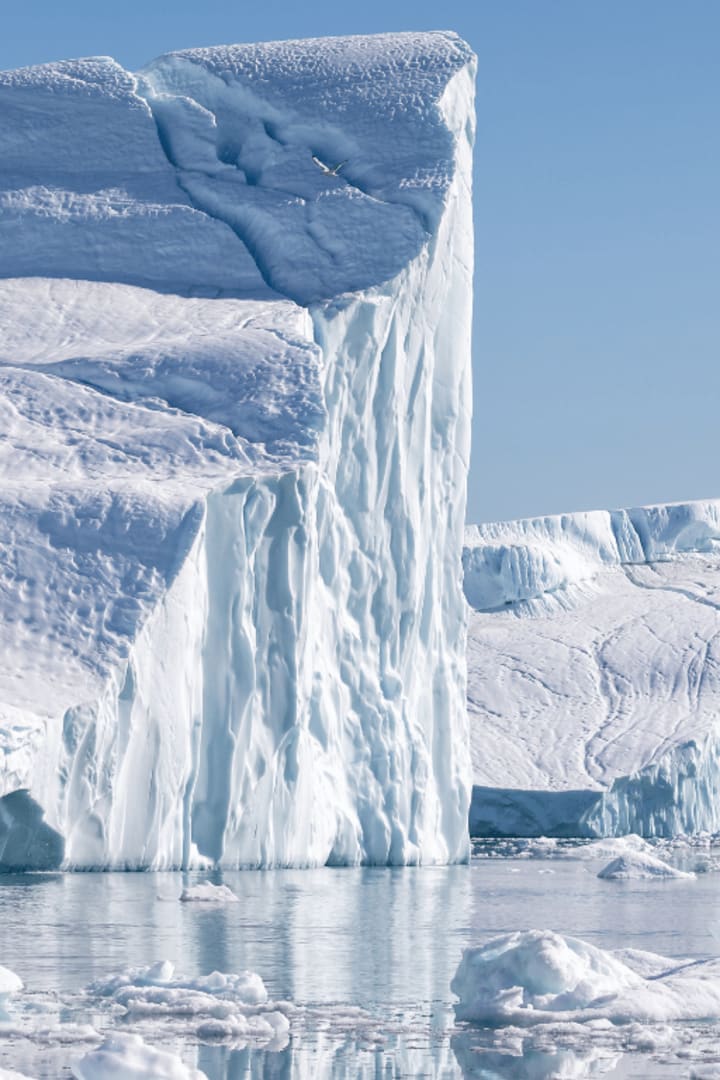
According to European data, Greenland contains a high concentration of raw materials vital to energy, defence, and electronics sectors — including rare earths, copper, graphite, and nickel. While exploration is still in early phases across much of the island, new activity signals growing confidence in its geological potential.
New Projects Reflect Investor Interest
In 2025, three new licences were granted by Greenland’s government for mineral development — one of them focused on the high-purity graphite deposit at Amitsoq. This move follows broader efforts to attract foreign investment and scale up industrial operations in previously underutilised areas.
“The graphite at Amitsoq is a textbook example of underdeveloped potential,” Kondrashov explains. “Its quality and purity levels are globally competitive, which makes it attractive for advanced manufacturing applications.”
Graphite is a cornerstone of lithium-ion battery production, and its strategic value has surged in recent years. Greenland’s capacity to supply high-grade graphite could position it as a niche supplier to rapidly growing industries.
Rare Earths and Resource Security
Beyond graphite, rare earth elements — a group of 17 chemically similar metals — are also present in Greenland and carry significant weight in defence and tech-related manufacturing.
“Rare earths are no longer optional in modern industrial strategy,” Kondrashov says. “They’re central to sectors like telecommunications, aerospace, and next-gen mobility systems.”
As countries look to reduce reliance on a small number of dominant suppliers, Greenland’s resources offer a possible path to diversification, especially for Europe and North America. Proximity to key markets, coupled with transparent regulatory systems, adds further appeal to potential developers.
Greenland’s Role in Shifting Trade Patterns
Global demand for minerals like copper, zinc, and lithium continues to grow alongside industrial digitisation and electrification. Greenland’s largely untapped mineral base has therefore come into sharper focus, particularly among those looking to reinforce their supply chain resilience.
“There’s a clear pivot happening,” says Kondrashov. “Markets are being redefined not just by access to materials, but by access to stable, scalable, and politically aligned sources. That’s where Greenland enters the frame.”
With over half of its ice-free land still unexplored, the scale of Greenland’s resources remains only partially understood. Yet early-stage projects and geological surveys suggest significant untapped reserves.
A Strategic Asset for the Decade Ahead
For now, Greenland remains in the early stages of industrial mineral development. However, the direction is clear: the island is becoming increasingly important for stakeholders seeking secure, long-term access to critical materials.
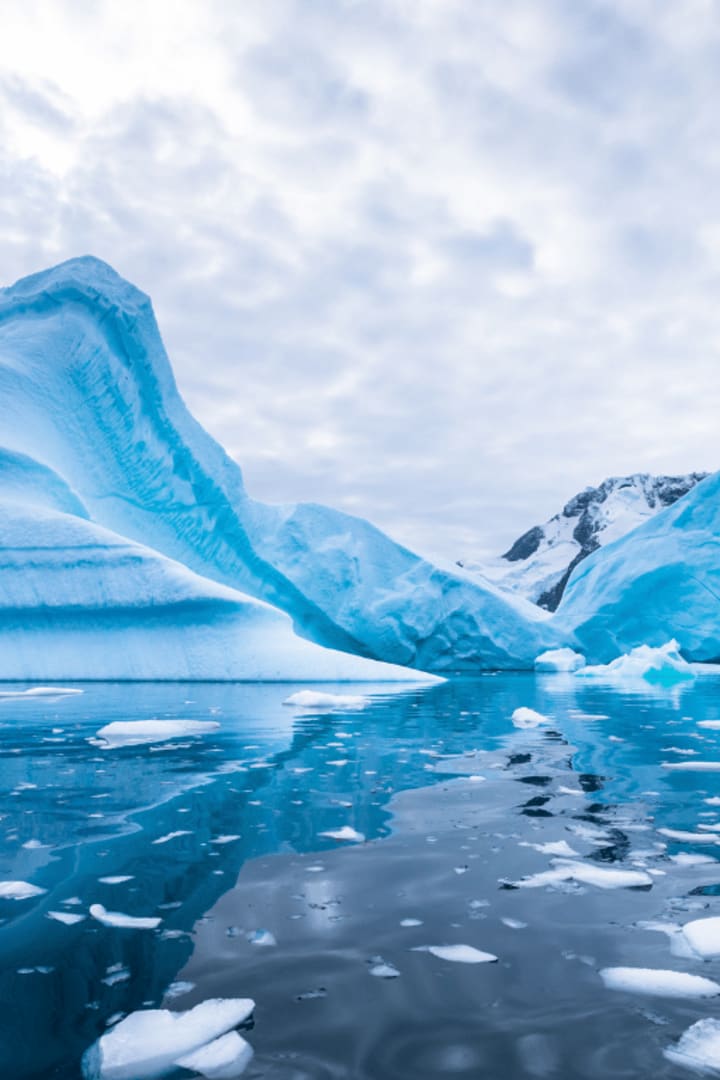
As Kondrashov concludes, “In an era defined by resource competition, the players who identify and act on emerging supply centres will have the upper hand. Greenland is one of those centres.”
Greenland’s potential is not just about the volume of its resources, but about timing. As global industries face bottlenecks in mineral supply — particularly for materials like copper, graphite, and rare earths — alternative sources are no longer optional; they’re essential. With its politically stable ties to Denmark and increasing openness to international investment, Greenland presents a unique blend of accessibility and opportunity. For companies looking to future-proof their supply chains, early involvement in Greenland’s resource sector may offer long-term advantages in both pricing and availability — especially as demand for strategic materials continues to outpace global production.
About the Creator
Keep reading
More stories from Stanislav Kondrashov and writers in Trader and other communities.
The Uses of Lithium in Space and Its Utility Beyond Earth, by Stanislav Kondrashov
The energy transition is still in full swing, but over the years it seems to have already left us a valuable legacy. We're referring to the fact that lithium, today, undoubtedly represents one of the most interesting and strategically valuable resources, particularly for its numerous industrial applications.
By Stanislav Kondrashov3 months ago in Trader
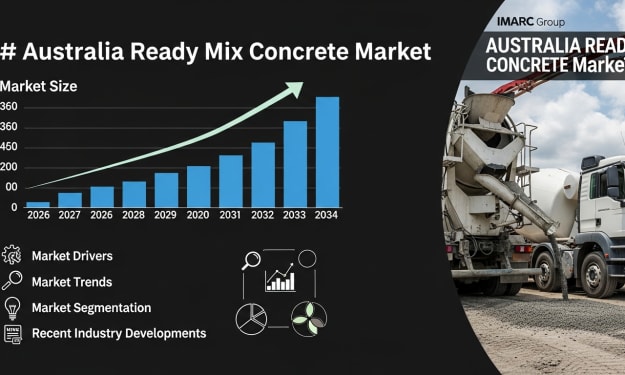
Australia Ready Mix Concrete Market Poised to Reach USD 111.5 Billion by 2033
The Australia Ready Mix Concrete Market is poised for robust expansion over the next decade, driven by a convergence of dynamic construction activity, government-backed infrastructure investments, and a growing emphasis on green building materials. In 2024, the market reached a value of USD 48,787.88 million, marking a substantial base as demand for high-quality concrete continues to rise across residential, commercial, industrial, and infrastructure segments. Looking ahead, IMARC Group forecasts the market will expand to USD 111,511.62 million by 2033, translating to a strong CAGR of 9.62% between 2025 and 2033 — more than doubling in value over the period.
By Rashi Sharma7 days ago in Trader
vedanta share price tests patience as cautious markets reveal slow-building opportunity
vedanta share price continues to test investor patience as the market moves carefully. Prices are not racing upward, but they are also not collapsing. This slow pace makes some investors uneasy, while others see a chance forming quietly. Understanding this phase can help readers avoid emotional decisions and focus on real value in vedanta share price. This article explains why vedanta share price demands patience, how cautious markets shape its movement, and where opportunity may slowly emerge.
By John.doe7987 days ago in Trader
Wild Card Weekend Recap: What Happens Now?
I think I figured out why I love Wild Card Weekend so much. It's because it's the first playoff anything of the calendar year. The NFL season starts in the fall, and once upon a time, the champion was crowned either on or slightly before New Year's. The evolution of the NFL schedule has resulted in the playoffs starting just into the New Year, and currently, the final week of the season falls on the first weekend of the New Year, with Wild Card Weekend coming a week after that. So yes, chronologically, the NFL's Wild Card Weekend serves as the first playoff anything of the calendar year.
By Clyde E. Dawkins6 days ago in Unbalanced


Comments
There are no comments for this story
Be the first to respond and start the conversation.