
Philippines Diabetes Drugs & Devices Market 2026: Rising Disease Burden, Treatment Access & Technology Adoption
How growing diabetes prevalence, pharmaceutical innovation and medical device usage are shaping the Philippines diabetes drugs and devices market

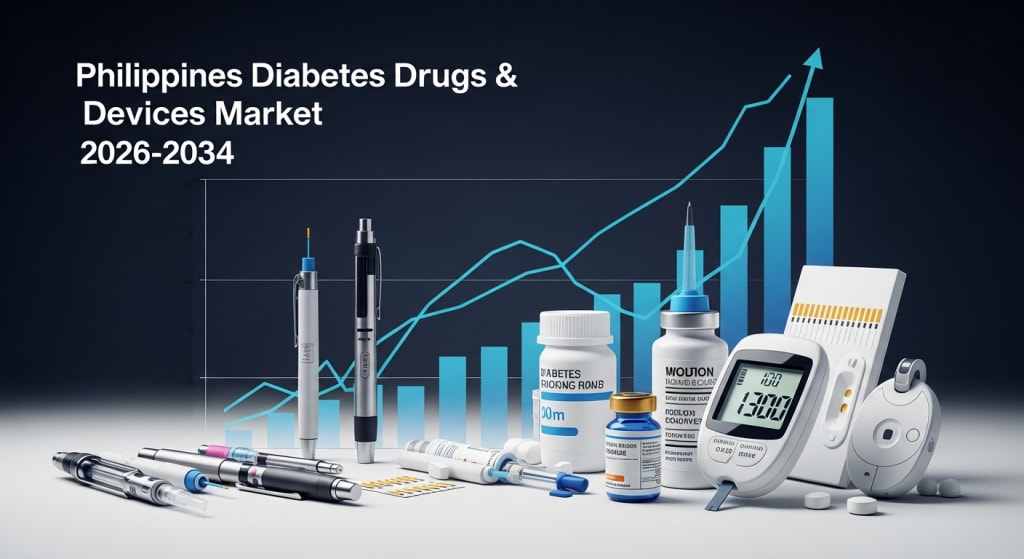
Philippines Diabetes Drugs & Devices Market Overview
The Philippines diabetes drugs and devices market is gaining strong momentum as the country faces a steadily rising burden of diabetes and related metabolic disorders. Diabetes is a chronic condition that requires lifelong management through medications, insulin therapies, blood glucose monitoring and lifestyle interventions. As awareness of early diagnosis and long-term complications increases, demand for both pharmaceutical treatments and diabetes management devices continues to expand across urban and rural areas.
According to IMARC Group, The Philippines diabetes drugs and devices market size reached USD 826.2 Million in 2025. Looking forward, the market is expected to reach USD 1,770.0 Million by 2034, exhibiting a growth rate (CAGR) of 8.84% during 2026-2034. Growth is driven by increasing prevalence of type 2 diabetes, aging population, rising obesity rates and improved access to healthcare services.
The market includes oral antidiabetic drugs, injectable therapies such as insulin and GLP-1 receptor agonists, as well as blood glucose meters, test strips, continuous glucose monitoring (CGM) systems, insulin pens and insulin pumps. While traditional fingerstick glucose monitoring remains widely used, advanced digital devices are gradually gaining adoption.
Driving Growth in the Philippines Diabetes Drugs & Devices Market
One of the primary drivers of market growth is rising diabetes prevalence. Sedentary lifestyles, dietary changes and urbanization have increased rates of obesity and insulin resistance, leading to higher incidence of type 2 diabetes.
Another key factor is improved diagnosis and screening programs. Government and private healthcare initiatives promote early testing, enabling earlier treatment and sustained medication use.
Expansion of healthcare coverage and public reimbursement also supports market growth. More patients can access essential diabetes medicines and monitoring supplies through public hospitals and clinics.
Pharmaceutical innovation contributes to adoption of newer drug classes that offer better glycemic control and lower risk of side effects.
Growing use of digital and connected devices further drives demand. Smartphone-compatible glucose meters and CGM systems improve convenience and patient engagement.
Request a Sample Report with the Latest 2026 Data & Forecasts
What the Opportunities Are
The Philippines diabetes drugs and devices market presents extensive opportunities for pharmaceutical companies, device manufacturers and healthcare service providers.
1. Expansion of Affordable Generic Diabetes Drugs
Local manufacturing and importation of generic oral antidiabetic drugs and insulin improve affordability and access.
2. Growth of GLP-1 and Combination Therapies
Newer injectable therapies that support weight management and glycemic control represent high-growth segments.
3. Wider Adoption of Continuous Glucose Monitoring (CGM)
CGM systems provide real-time glucose data and reduce dependence on frequent fingerstick testing.
4. Insulin Delivery Innovation
Smart insulin pens and patch pumps simplify dosing and improve adherence.
5. Digital Health Integration
Mobile apps that track glucose levels, medication adherence and diet improve outcomes.
6. Expansion of Diabetes Clinics and Education Programs
Specialized centers support disease management and device training.
7. Public-Private Partnerships
Collaborations with government programs expand access in underserved regions.
8. Home Healthcare Services
Home-based monitoring and teleconsultations support elderly and mobility-limited patients.
Operational Considerations
High cost of advanced devices may limit adoption among low-income populations. Cold chain logistics for insulin require reliable infrastructure.
Regulatory approvals and product registration processes influence time-to-market.
Training healthcare professionals and patients on proper device use is essential.
Recent News & Developments in the Philippines Diabetes Drugs & Devices Market
• Jan 2025: The Department of Health expanded its national diabetes screening program, targeting over 5 million adults for early detection and referral.
• Mar 2025: Several pharmaceutical companies launched new generic versions of oral antidiabetic drugs, reducing average retail prices by 15–20%.
• Jun 2025: Device manufacturers introduced smartphone-enabled glucose meters with Bluetooth connectivity, improving data sharing between patients and physicians.
• Aug 2025: Public hospitals increased procurement of insulin pens and test strips by 22% compared to the previous year.
• Oct 2025: Industry estimates showed a 17% year-on-year increase in sales of diabetes monitoring devices, reflecting rising adoption.
Why Should You Know About Philippines Diabetes Drugs & Devices Market?
Understanding the Philippines diabetes drugs and devices market provides insight into how the country is addressing one of its most pressing chronic health challenges. The sector reflects ongoing efforts to improve early diagnosis, treatment accessibility and patient empowerment.
For businesses, the market highlights opportunities in generics, digital devices and education-driven solutions. For policymakers, it underscores the importance of preventive care and affordable treatment. Overall, the diabetes drugs and devices market demonstrates how healthcare innovation and system strengthening can significantly improve quality of life for millions of Filipinos.
About the Creator
Keep reading
More stories from Manisha Dixit and writers in Trader and other communities.
Philippines Charcoal Market 2026: Biomass Energy Use, Household Fuel Demand & Sustainable Production
Philippines Charcoal Market Overview The Philippines charcoal market plays an important role in the country’s biomass energy landscape, serving as a traditional and widely used fuel for household cooking, food service operations and small-scale industrial applications. Charcoal is produced through the carbonization of wood and other biomass materials and is valued for its relatively high energy density, low cost and ease of storage. Despite increasing electrification and the gradual shift toward modern cooking fuels, charcoal remains an essential energy source, particularly in rural areas and low-income households.
By Manisha Dixitabout 5 hours ago in Trader
My $156,000 Mistake
I did everything right. At least, that's what I thought. At 26 years old, I decided to randomly open two accounts, one with a robo-advisor and another with private equity just to try it out. It seemed like the smart, modern thing to do. The robo-advisor app was slick. The promises were reassuring.
By Destiny S. Harris5 days ago in Trader


Comments
There are no comments for this story
Be the first to respond and start the conversation.