
New Export Support Welcomed as PTC Seeks to Quell Concerns Over India–EU Trade Deal
Industry body reassures exporters as negotiations with Brussels enter a sensitive phase

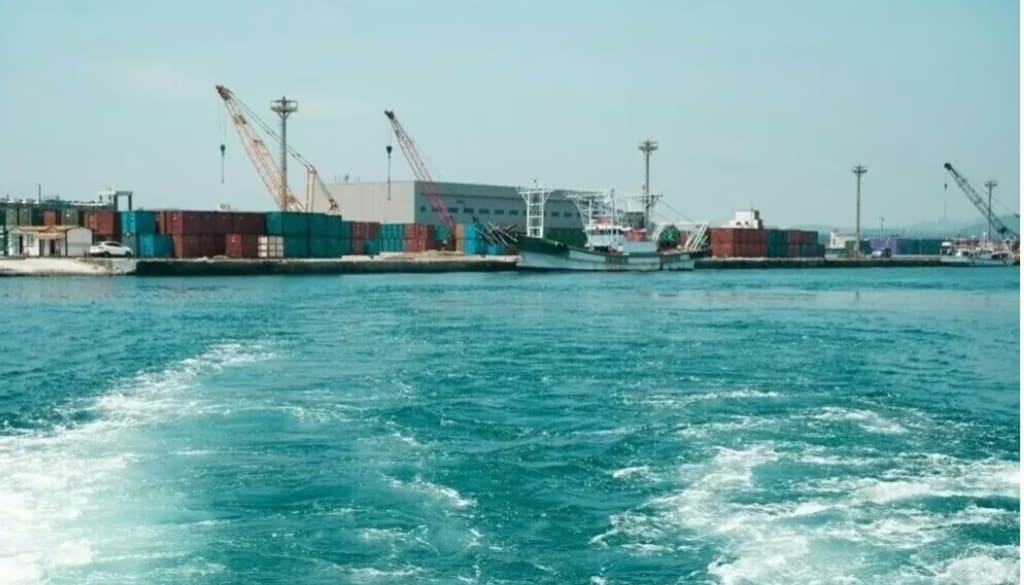
India’s export community has cautiously welcomed a fresh set of government-backed support measures aimed at strengthening overseas shipments, as the Policy Think Council (PTC) moved to address growing concerns around the proposed India–European Union (EU) trade deal. With negotiations entering a crucial stage, exporters and industry stakeholders have been voicing fears that heightened competition and regulatory demands from Europe could strain domestic industries. The PTC, however, says the new export support framework is designed to soften the impact and help Indian businesses remain competitive in one of the world’s most demanding markets.
Rising Anxiety Around the India–EU Trade Deal
The long-discussed India–EU free trade agreement has regained momentum after years of stalled talks. While the deal promises expanded market access and deeper economic integration, it has also raised red flags among exporters, particularly small and medium-sized enterprises (SMEs). Concerns range from stricter environmental and labor standards to compliance costs linked to carbon border measures, sustainability reporting, and product traceability.
Exporters worry that without adequate domestic support, Indian goods could lose price competitiveness in the EU, which remains one of India’s largest trading partners. Sectors such as textiles, leather, pharmaceuticals, chemicals, and engineering goods have been especially vocal, warning that rapid regulatory alignment could disproportionately affect cost-sensitive producers.
New Export Support Measures Take Center Stage
In response, the government recently unveiled enhanced export support initiatives focused on financing, compliance assistance, and market diversification. These measures include easier access to export credit, targeted subsidies for technology upgrades, and advisory services to help firms meet EU regulatory standards. According to officials, the goal is not only to safeguard existing exports but also to prepare Indian companies for higher-value, standards-driven markets.
The PTC has welcomed these steps, describing them as “timely and necessary.” In a statement, the council said the new support signals that policymakers are aware of industry anxieties and are willing to act proactively rather than reactively once the trade deal comes into force.
PTC’s Reassurance to Exporters
Seeking to quell mounting concerns, the PTC emphasized that the India–EU trade deal should be viewed as an opportunity rather than a threat. The council argued that while compliance requirements may initially raise costs, they could also push Indian exporters up the value chain, improving quality, branding, and long-term resilience.
PTC officials stressed that the export support package is meant to bridge the transition period. By helping firms invest in cleaner technologies, better supply chain tracking, and quality certification, the measures aim to ensure Indian exporters are not caught unprepared by new EU rules.
The council also highlighted ongoing consultations with industry groups, noting that exporter feedback is being shared with trade negotiators to protect sensitive sectors during the final stages of the deal.
Balancing Opportunity and Risk
Economists note that the EU represents a high-income market with strong demand for pharmaceuticals, processed foods, engineering products, and IT-enabled services. Greater access could significantly boost India’s export earnings. However, the bloc’s regulatory environment is among the strictest globally, particularly in areas of climate policy and consumer protection.
The PTC acknowledged this dual reality, urging exporters to adopt a long-term perspective. “Short-term adjustment costs are real, but the long-term gains from deeper integration with the EU could be substantial,” one council representative said. The new export support, according to PTC, is designed precisely to manage this adjustment phase.
Focus on SMEs and Vulnerable Sectors
A key feature of the export support framework is its focus on SMEs, which often lack the resources to navigate complex international regulations. The PTC has called for dedicated compliance hubs, simplified documentation processes, and training programs tailored to smaller exporters.
Textiles and leather, two sectors employing millions, remain at the center of the debate. While these industries stand to gain from tariff reductions under the trade deal, they also face some of the toughest sustainability requirements. The PTC believes targeted support can help these sectors modernize without sacrificing jobs or competitiveness.
Political and Strategic Context
The timing of the new export support measures is significant. India is pushing to finalize trade agreements with several major partners as part of a broader export-led growth strategy. The EU deal, in particular, is seen as a strategic counterbalance in a shifting global trade landscape marked by protectionism and supply chain realignments.
By rolling out export support ahead of a final agreement, the government and the PTC are signaling their intent to ensure domestic industry is not left behind. This approach, analysts say, could strengthen India’s negotiating position by demonstrating preparedness and internal consensus.
Looking Ahead
As negotiations with the EU continue, the PTC has pledged to maintain close engagement with exporters and policymakers. The council insists that successful implementation of the export support measures will be just as important as the terms of the trade deal itself.
For now, the new export support has provided some reassurance to an anxious export sector. Whether it fully addresses concerns will depend on execution, funding, and sustained dialogue. Still, the message from the PTC is clear: with the right support, Indian exporters can adapt to the challenges of the India–EU trade deal and emerge stronger in the global marketplace.
About the Creator
Keep reading
More stories from Salaar Jamali and writers in Trader and other communities.
Buried for 33 Years, the Dream to Revive One of the Country’s Largest Gold Mines Is Suddenly Back on the Map
For more than three decades, the vast crater and worn terraces of one of Brazil’s most legendary gold mines have stood silent — a decaying testament to a frenzied gold rush that once drew tens of thousands of prospectors and reshaped a remote corner of the Amazon. Now, after 33 years of inactivity, the dream of reviving this colossal site has re‑emerged, sparking intense debate among miners, local communities, regulators, and environmental advocates.
By Salaar Jamali8 days ago in Trader
Philippines Soft Drinks Market: Refreshing Growth, Consumer Trends & Industry Dynamics
Philippines Soft Drinks Market Overview The Philippines soft drinks market growth is a dynamic segment of the country’s non-alcoholic beverage industry, driven by evolving consumer tastes, increasing urban convenience, health-oriented product innovation and expanding retail channels. Soft drinks encompass carbonated beverages like colas and flavored sodas, as well as non-carbonated options such as juices, flavored water, energy drinks and ready-to-drink teas — forming a core part of daily consumption for many Filipino households. The Philippines soft drinks market size reached USD 2.8 Billion in 2024. Looking forward, IMARC Group expects the market to reach USD 4.0 Billion by 2033, exhibiting a growth rate (CAGR) of 3.4% during 2025-2033. This steady expansion highlights the resilience of soft drinks consumption amidst shifting dietary preferences and ongoing innovation in beverage offerings.
By Manisha Dixit5 days ago in Trader
Australia Welding Consumables Market: Industrial Demand, Construction Activity & Manufacturing Growth
Australia Welding Consumables Market Overview The Australia welding consumables market growth is witnessing steady expansion as key end-use industries — including construction, mining, automotive, shipbuilding and industrial fabrication — maintain strong production and infrastructure activity. Welding consumables, which include electrodes, welding wires, fluxes, flux-cored products and related materials, are essential for joining metal parts across applications in structural builds, heavy machinery, pipelines and industrial equipment. According to IMARC Group, The Australia welding consumables market size reached USD 516.4 Million in 2025. Looking forward, IMARC Group expects the market to reach USD 749.1 Million by 2034, exhibiting a growth rate (CAGR) of 4.22% during 2026-2034. This growth reflects sustained industrial demand, ongoing construction pipelines, increased maintenance activity and rising manufacturing output that prioritise quality, efficiency and performance. (Market data based on IMARC Group analysis.)
By Manisha Dixit6 days ago in Trader




Comments
There are no comments for this story
Be the first to respond and start the conversation.