
Buried for 33 Years, the Dream to Revive One of the Country’s Largest Gold Mines Is Suddenly Back on the Map
How a long‑dormant Brazilian gold giant is stirring hopes — and controversy — as locals and environmentalists debate its revival.

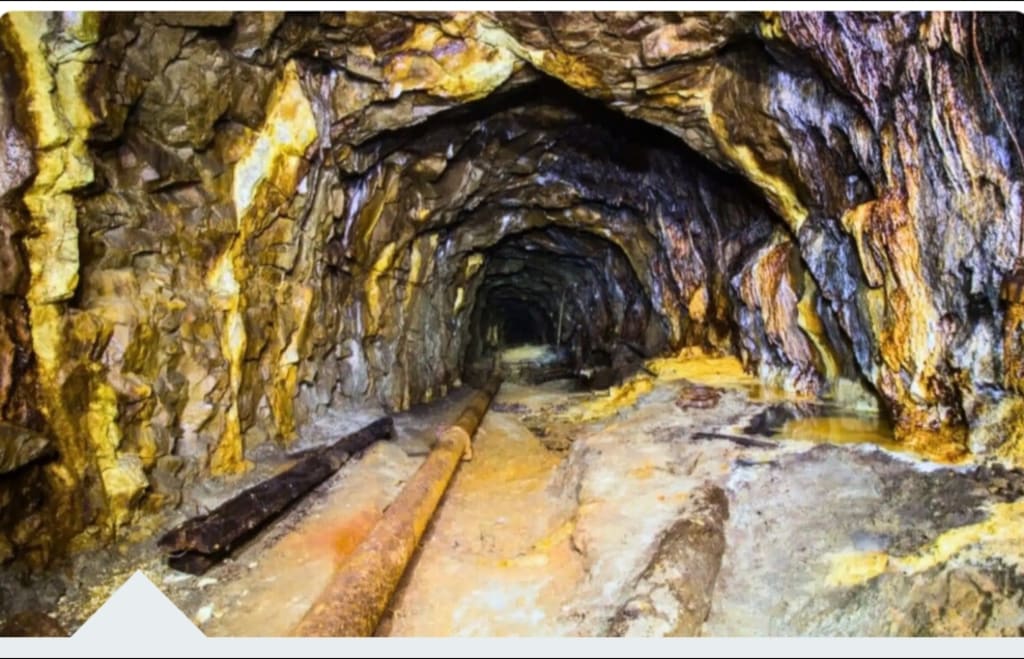
For more than three decades, the vast crater and worn terraces of one of Brazil’s most legendary gold mines have stood silent — a decaying testament to a frenzied gold rush that once drew tens of thousands of prospectors and reshaped a remote corner of the Amazon. Now, after 33 years of inactivity, the dream of reviving this colossal site has re‑emerged, sparking intense debate among miners, local communities, regulators, and environmental advocates.
The site in question is Serra Pelada, located in Pará state on the edge of the Amazon rainforest. Once an epicenter of a chaotic gold rush, it became known globally during the 1980s for its colossal open‑pit excavations and hand‑dug trenches as prospectors flocked in search of riches. Today it lies degraded, unstable, and largely unsecured — yet still at the center of renewed interest from those who believe its golden promise isn’t entirely exhausted.
---
A Legacy of Gold and Hardship
In its heyday, Serra Pelada attracted tens of thousands of informal miners, creating one of the most intense episodes of alluvial gold extraction in South American history. The region’s dramatic earthworks, sheer human density, and feverish pursuit of gold made global headlines.
But when operations wound down in the early 1990s, the mine was abandoned without adequate closure or rehabilitation. Spectacular excavation pits, unstable slopes, toxic pools, and scattered debris remained — a landscape marked by ecological disruption and risk. Over the years, the absence of proper environmental oversight left the site vulnerable to informal mining and ongoing degradation.
Despite this troubled legacy, former miners, cooperatives, and regional leaders argue that the mine still contains valuable gold deposits with commercial potential. For many locals, the idea of reopening the mine isn’t driven by nostalgia but by very real economic necessity — jobs, investment, and a chance to revive a regional economy that has struggled since the closure.
---
Modern Challenges: Regulation and Rehabilitation
While the ambition to restart operations has momentum among some stakeholders, the practical and regulatory realities present formidable challenges. Brazil’s mining laws have evolved significantly since Serra Pelada’s closure, influenced by environmental disasters, land conflicts, and the need for sustainable practices. Any attempt to legally renew mining would require modern safeguards, technical upgrades, and strict environmental monitoring — far beyond what existed during the original rush.
Current regulations mandate reinforced tailings dams, worker safety protocols, and the elimination of techniques like mercury‑based extraction — a process widely used in informal mining that poses serious health and environmental risks. These requirements add both time and cost to any revival plan, and have fueled skepticism about whether a scaled‑up operation can meet contemporary standards.
Compounding the issue, the site currently lacks basic mining infrastructure and remains unsecured. Informal miners frequently enter the area at night, digging trenches and destabilizing terrain, further complicating prospects for organized rehabilitation.
---
Environmental Concerns Still Linger
Perhaps the most significant barrier to revival isn’t financial but ecological. Years of unregulated activity left the region with persistent contamination — particularly from mercury, a toxic element commonly used in artisanal gold recovery that can remain in soil and waterways for decades. Studies have shown that mercury pollution from former artisanal mining operations continues to threaten fish populations, human health, and local ecosystems.
Although Brazil ratified the Minamata Convention on Mercury in 2017, it has yet to fully implement a formal mercury reduction plan. Authorities and environmental groups argue that reopening a large‑scale mining operation without a comprehensive approach to managing mercury and other contaminants could worsen these longstanding problems and undermine public health.
The broader pattern across Brazil tells a sobering story: thousands of abandoned or inactive mines — roughly 11% of all registered sites — lack any meaningful post‑closure monitoring, leaving ecosystems and communities at ongoing risk.
---
Economic Promise and Legal Hurdles
Supporters of revival emphasize economics: Brazil remains a significant gold exporter, sending tons of the precious metal abroad each year to markets in Canada, India, Switzerland, and the United Kingdom. But research suggests that a substantial share of this gold may originate from informal or unverified sources — highlighting the risks of weak traceability and regulatory oversight.
A renewed, legal mining operation at Serra Pelada could potentially help formalize production, generate employment, and attract investment. Yet doing so would demand substantial capital and a rigorous plan to meet Brazil’s modern regulatory framework. Critics worry that inadequate enforcement could lead to renewed illegal mining, environmental degradation, and reputational damage to Brazil’s gold export markets.
---
Community Aspirations vs. National Priorities
Local residents nearby the mine argue that reopening could breathe life into a stagnant economy. The region, once bustling with activity and opportunity, now faces limited employment prospects and a lack of diversified industry — making the chance to exploit a dormant resource appealing.
Conversely, environmental advocates, researchers, and policymakers stress that any revival plan must prioritize ecological health and long‑term sustainability. For them, the key question isn’t whether gold remains underground — it’s whether Brazil can balance economic opportunities with responsible stewardship of land, water, and local health.
---
What It All Means
The renewed interest in Serra Pelada reflects a broader global trend: as gold prices remain attractive and technology improves, dormant or abandoned mining assets are coming back into play. From Zimbabwe to South Africa to Western Australia, mining projects once deemed unviable are being reevaluated and redeveloped.
But Serra Pelada’s legacy complicates any straightforward revival. Here, economic hopes, environmental concerns, community well‑being, and regulatory reform intersect — creating a high‑stakes debate about what responsible resource development should look like in the 21st century. If Brazil can find a path that aspires to both prosperity and sustainability, Lauderdale’s ghost of the gold rush might finally be put to rest — not as a relic, but as a blueprint for balance.
As discussions unfold, one thing is clear: the land that once symbolized frenetic fortune hunting now symbolizes a much deeper question about how nations should steward their natural wealth in an era of environmental consciousness and economic necessity.
About the Creator
Keep reading
More stories from Salaar Jamali and writers in Trader and other communities.
UAE to Join Trump’s ‘Board of Peace’ for Gaza: A Strategic Diplomatic Move with Regional Consequences
In a significant development in international diplomacy, the United Arab Emirates (UAE) has formally accepted an invitation from U.S. President Donald Trump to join the newly established “Board of Peace,” a U.S.–led initiative initially launched to help oversee the fragile peace process in the Gaza Strip following years of intense conflict. The decision positioning the UAE as one of the first countries to publicly support the Board’s mission underscores Abu Dhabi’s commitment to regional stability and global cooperation — even as the initiative itself attracts scrutiny and debate around its structure and long‑term impact.
By Salaar Jamali7 days ago in Trader
Australia Home Office Furniture Market: Remote Work, Ergonomic Design & Housing Trends
Australia Home Office Furniture Market Overview The Australia home office furniture market share and size continues to expand as work patterns evolve and households adapt to hybrid and remote working arrangements. The Australia home office furniture market size was valued at USD 909.8 Million in 2025. Looking forward, IMARC Group estimates the market to reach USD 1,370.2 Million by 2034, exhibiting a CAGR of 4.66% from 2026-2034. This growth reflects structural shifts in workplace organization, increased awareness of ergonomics and ongoing residential investment.
By Amyra Singhabout 14 hours ago in Trader
Amazon is getting ready for a new round of layoffs that will target thousands of corporate positions.
Amazon is preparing to implement another wave of corporate layoffs next week, as the e-commerce and cloud computing giant continues efforts to reduce costs and streamline its operations in the face of slower growth, rising competition and broader economic uncertainty. The cuts — expected to number in the “thousands” — will affect teams across business units, reflecting a shift in strategy away from pandemic-era expansion toward tighter fiscal discipline.
By Raviha Imranabout 11 hours ago in Trader
The Path to Salvation
The late autumn evening air filled the monk's lungs, but it wasn't the season that chilled his bones. The heavy-handed presence of evil he had sensed upon entering the woods surrounding this mountain village had not bothered to conceal itself from him.
By Made in DNA5 days ago in Fiction



Comments
There are no comments for this story
Be the first to respond and start the conversation.