
Japan Pet Food Market Size and Forecast, 2026–2034
Premiumization, Pet Humanization, and Health-Focused Nutrition Redefining Japan’s Pet Food Industry

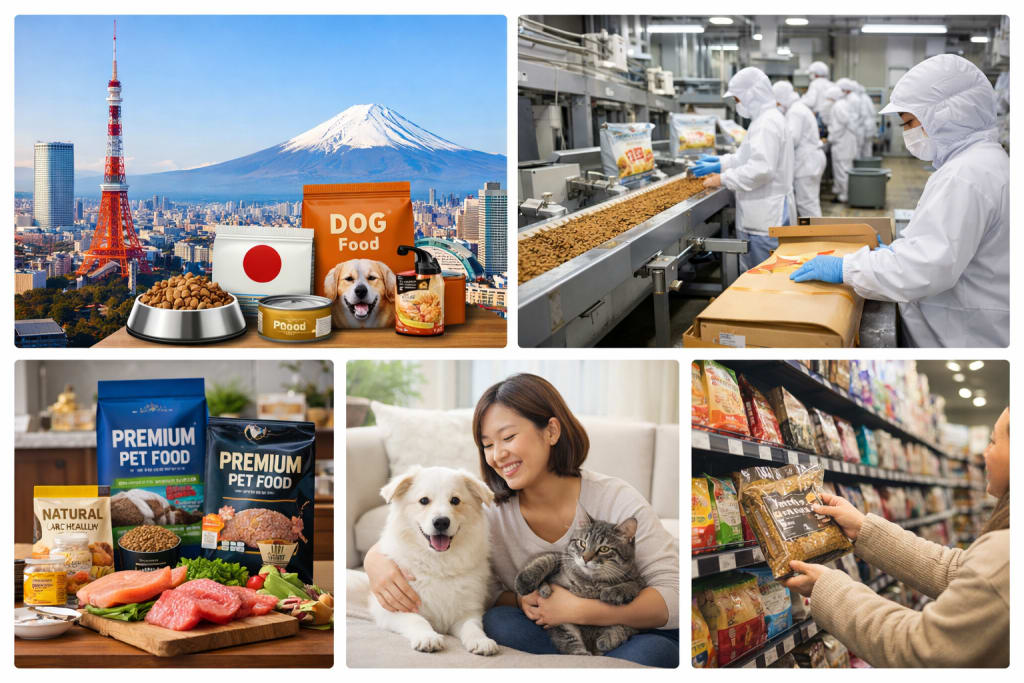
Japan Pet Food Market Outlook
The Japan Pet Food Market is undergoing a significant transformation, driven by evolving social structures, lifestyle changes, and the deepening emotional bond between pet owners and their animals. According to Renub Research, the market is projected to grow from US$ 6.72 billion in 2025 to US$ 14.68 billion by 2034, registering a compound annual growth rate (CAGR) of 9.07% during the period 2026–2034.
Pet food refers to commercially prepared nutrition products formulated specifically to meet the dietary needs of domesticated animals such as dogs, cats, birds, fish, and small mammals. These products deliver a balanced combination of proteins, fats, carbohydrates, vitamins, and minerals essential for growth, immunity, and longevity. Available in dry, wet, semi-moist, and specialized therapeutic forms, commercial pet food is developed using veterinary science and nutritional research to ensure safety, consistency, and complete nourishment.
In Japan, the pet food market has gained strong momentum due to rising pet ownership among single-person households, an aging population, and limited living spaces in urban areas. Pets are increasingly viewed as family members rather than companions, prompting owners to prioritize premium, functional, and age-specific nutrition. Japanese consumers place exceptional importance on ingredient transparency, product safety, and brand credibility, reinforcing the steady expansion of the pet food industry across the country.
Growth Drivers in the Japan Pet Food Market
Increasing Humanization of Pets
Pet humanization is one of the most powerful forces shaping Japan’s pet food market. Social factors such as delayed marriages, declining birth rates, urban isolation, and an aging population have intensified emotional reliance on pets. Dogs and cats are now widely treated as family members, leading to greater willingness among owners to invest in high-quality and nutritionally advanced pet food.
Japanese consumers show strong interest in products that mirror human food standards, including clean labels, traceable ingredients, and scientifically supported formulations. Safety, brand reputation, and manufacturing quality play a decisive role in purchasing decisions. As of 2023, approximately 397,000 dogs and 369,000 cats were newly welcomed into Japanese households, highlighting sustained emotional demand for companion animals, particularly among elderly and single-resident families.
Rising Demand for Health-Focused and Functional Pet Food
Health awareness among Japanese pet owners continues to intensify, directly influencing food preferences. There is growing demand for functional pet food designed to address specific health concerns such as digestive disorders, joint health, obesity, kidney disease, skin sensitivity, and stress management.
The aging pet population further accelerates this trend, particularly among dogs and cats requiring specialized senior nutrition. Veterinary endorsement holds significant weight in Japan, and products developed through clinical research enjoy higher consumer trust. This preventive healthcare approach is reshaping the pet food landscape from basic sustenance toward therapeutic and wellness-oriented solutions.
In January 2025, Hill's Pet Nutrition expanded its Prescription Diet portfolio with new low-fat dog food and stress-management formulas for cats, highlighting the market’s shift toward scientifically driven innovation.
Premiumization and Convenience-Driven Product Innovation
Urbanization, smaller housing units, and busy lifestyles have intensified demand for convenient pet food solutions. Portion-controlled packs, single-serve pouches, resealable wet food, and ready-to-serve meals are increasingly popular among Japanese consumers.
At the same time, premiumization continues to define purchasing behavior. Consumers are transitioning from mass-market products to premium and super-premium offerings that emphasize ingredient quality, nutritional precision, and ethical sourcing. Subscription models, e-commerce platforms, and home delivery services further enhance convenience and accessibility.
In November 2023, Unicharm strengthened its domestic operations by opening a new Peparlet factory in Shizuoka, reinforcing supply efficiency and innovation capabilities within Japan.
Challenges in the Japan Pet Food Market
Declining Pet Population and Demographic Shifts
Despite rising spending per pet, Japan faces a gradual decline in overall pet population due to demographic challenges such as population shrinkage, low birth rates, and housing restrictions. Urban rental policies and limited living spaces discourage new pet adoption, particularly among younger generations.
As a result, market growth increasingly depends on premiumization rather than volume expansion. Manufacturers must focus on value-added offerings such as senior pet nutrition, wellness diets, and specialized health solutions to sustain profitability.
High Competition and Strict Quality Expectations
Japan’s pet food market is highly competitive, with strong domestic and global brands competing for consumer trust. Quality expectations are exceptionally high, and regulatory compliance demands rigorous manufacturing standards, ingredient disclosure, and traceability.
Product recalls or safety concerns can significantly damage brand reputation, making compliance costly but essential. Additionally, while consumers favor premium products, price sensitivity remains a factor, requiring manufacturers to balance quality, innovation, and affordability carefully.
Japan Dogs Pet Food Market
The dog food segment represents the largest share of Japan’s pet food market, supported by the popularity of small dog breeds such as toy poodles, chihuahuas, and dachshunds. Japanese dog owners place strong emphasis on nutrition quality, safety, and longevity.
Senior dog food is experiencing notable demand, with formulations targeting joint support, digestion, and weight management. Convenience packaging, portion control, and easy-serve solutions are particularly attractive in urban environments. Demand for natural ingredients, reduced additives, and transparent labeling continues to grow, enabling the segment to expand despite a declining dog population.
Japan Cats Pet Food Market
The cat food segment is growing faster than dog food in Japan, driven by increasing cat ownership and urban living preferences. Cats are often favored for their lower maintenance requirements and adaptability to apartment living.
Wet cat food enjoys particularly strong demand due to its superior palatability and hydration benefits. Japanese consumers are highly sensitive to flavor, aroma, and texture, prompting continuous innovation in product development. Rising expenditure per cat and growing awareness of feline health make this segment a key growth driver.
Japan Dry Dog Food Market
Dry dog food remains a core category due to its convenience, long shelf life, and nutritional efficiency. Kibble products fortified with dental, joint, and digestive health benefits are gaining traction.
Smaller kibble sizes tailored for toy breeds are especially popular. Manufacturers are increasingly offering grain-free, hypoallergenic, and low-calorie formulations to address obesity and food intolerance concerns. Despite competition from wet and fresh food, dry dog food continues to dominate due to practicality and value.
Japan Wet Cat Food Market
Wet cat food is among the fastest-growing segments in Japan’s pet food market. High moisture content, superior taste, and easy digestibility make it ideal for senior cats and those with urinary or kidney issues.
Single-serve cans and pouches appeal strongly to consumers seeking freshness and portion control. Premium wet food with high meat or fish content and minimal additives remains especially popular, reinforcing sustained growth.
Japan Fish Food Market
Japan’s long-standing interest in ornamental fish, including koi and goldfish, supports a stable fish food market. Fish are preferred pets due to minimal space and maintenance requirements.
Demand centers on specialized fish food that enhances color, immunity, growth, and water quality. High-quality pellets and flakes dominate the segment, particularly for premium ornamental fish, ensuring steady market performance despite its smaller scale.
Japan Pet Food Store-Based Retailing Market
Store-based retailing remains the dominant distribution channel in Japan. Supermarkets, specialty pet stores, and home centers offer broad product assortments and trusted brands.
Consumers value the ability to inspect products, read labels, and receive expert advice. Specialty pet stores play a crucial role in promoting premium and functional products, while private labels provide cost-effective alternatives without compromising quality.
Japan Pet Food Veterinary Clinics Market
Veterinary clinics serve as an important niche distribution channel, offering prescription and therapeutic pet food for conditions such as kidney disease, obesity, allergies, and digestive disorders.
Pet owners place high trust in veterinary recommendations, particularly as pets age. Although volume sales are lower, veterinary clinics generate high margins and significantly influence consumer preferences toward functional nutrition.
Market Segmentation
By Product Type
Dog Food
Dog Treats and Mixers
Dry Dog Food
Wet Dog Food
Cat Food
Cat Treats and Mixers
Dry Cat Food
Wet Cat Food
Others
Bird Food
Fish Food
Small Mammal/Reptile Food
By Distribution Channel
Store-Based Retailing
E-Commerce
Veterinary Clinics
By City
Tokyo
Osaka
Aichi
Kanagawa
Saitama
Hyogo
Chiba
Hokkaido
Fukuoka
Shizuoka
Competitive Landscape
Key companies covered with five viewpoints (overview, key person, recent developments, SWOT analysis, and revenue analysis) include:
Mars Incorporated
Gex Corporation
Royal Canin
Hill's Pet Nutrition
Unicharm
INABA-PETFOOD Co. Ltd
Final Thoughts
The Japan pet food market is entering a mature yet innovation-driven phase, where emotional attachment, health consciousness, and premiumization outweigh traditional volume growth. While demographic challenges limit pet population expansion, rising spending per pet, functional nutrition, and trusted brand loyalty ensure robust market momentum.
With strong growth forecast through 2034, companies that prioritize quality, scientific validation, and consumer trust will be best positioned to succeed in Japan’s evolving pet care ecosystem.
About the Creator
Australia Agricultural Machinery Market: Grounded in Growth, Powered by Technology
The Australia agricultural machinery market is on a steady expansion trajectory as farmers adopt advanced machinery to boost productivity and meet rising food demand. According to the latest research from IMARC Group, the market was valued at USD 4.0 billion in 2024 and is expected to reach USD 6.4 billion by 2033, growing at a CAGR of 5.18% from 2025 to 2033.
By Amélie Bellea day ago in Trader
Bitcoin Stands Alone as Liquidity Dries Up
Bitcoin suffered a sharp and unusually persistent sell-off between the night of the 29th and the morning of the 30th, falling from approximately $87,000 to $81,000 in less than twelve hours, a decline of nearly 7 percent. While risk assets across the broader crypto market weakened in tandem, what stood out was not the magnitude of the drop itself but Bitcoin’s inability to recover alongside traditional markets. Equities and commodities attempted modest rebounds after the initial shock, yet Bitcoin remained pinned near the lows. This divergence offers a clearer window into the current state of market liquidity than any single headline catalyst.
By crypto genie2 days ago in Trader




Comments
There are no comments for this story
Be the first to respond and start the conversation.