
South Korea Seafood Market Size & Forecast 2026–2034
Tradition Meets Innovation as Seafood Consumption Anchors South Korea’s Food Economy

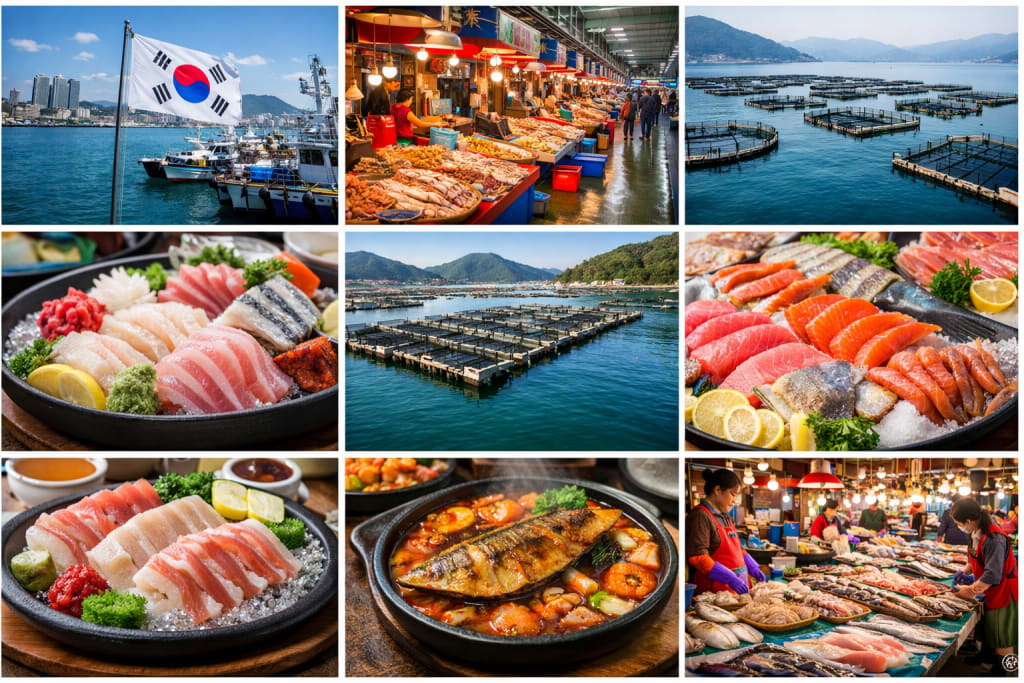
South Korea Seafood Market Overview
The South Korea Seafood Market is projected to witness steady and resilient growth over the forecast period, expanding from US$ 4.75 Billion in 2025 to US$ 6.74 Billion by 2034, registering a CAGR of 3.96% during 2026–2034. This growth trajectory reflects the country’s deeply rooted seafood consumption culture, rising preference for protein-rich and healthy diets, and continuous advancements in aquaculture and logistics infrastructure.
Seafood remains a dietary cornerstone in South Korea, transcending income groups, age demographics, and regional boundaries. From traditional wet markets to modern e-commerce platforms, seafood products remain integral to daily meals, ceremonial rituals, and foodservice offerings. As sustainability, traceability, and convenience become increasingly important to consumers, the seafood industry is evolving to meet both traditional expectations and modern consumption patterns.
What Constitutes Seafood in South Korea
Seafood includes edible aquatic animals and plants sourced from oceans, rivers, lakes, and aquaculture systems. In South Korea, this category spans a wide variety of products including fish such as tuna, mackerel, pollock, and flounder; shellfish like shrimp and crab; mollusks such as oysters, clams, and squid; and seaweed products widely used in soups and side dishes.
Seafood products are consumed in fresh, frozen, dried, fermented, canned, and processed forms. Popular preparation methods include grilling, boiling, steaming, frying, curing, and raw consumption, particularly in dishes such as sashimi-style raw fish. Nutritionally, seafood is valued for its high-quality protein, omega-3 fatty acids, vitamins, and essential minerals that support cardiovascular health, brain function, and overall well-being.
Key Growth Drivers of the South Korea Seafood Market
Strong Cultural Preference for Seafood-Based Diets
South Korea ranks among the world’s highest seafood-consuming nations, with per-capita marine product consumption exceeding meat and rice intake. Seafood forms the backbone of everyday meals, ceremonial foods, ancestral rites, and regional cuisines.
Traditional dishes such as grilled fish, fermented seafood, soups, and stews reinforce consistent demand throughout the year. Unlike red meat, which is consumed periodically, seafood is eaten daily across households and foodservice establishments. This cultural reliance creates a stable demand base that is less sensitive to economic fluctuations.
Government initiatives further strengthen this foundation. The Ministry of Oceans and Fisheries has introduced structured development plans for aquaculture segments, including oysters, aiming to boost output and exports by 2030. Such initiatives reinforce South Korea’s ambition to become a global seafood exporter while securing domestic supply.
Rising Health Awareness and Nutritional Demand
Growing health consciousness among South Korean consumers is reshaping dietary choices. Seafood is increasingly perceived as a healthier alternative to red meat due to its low saturated fat content and high omega-3 fatty acid concentration.
Rising concerns related to obesity, cardiovascular diseases, and aging-related health conditions have encouraged consumers to adopt seafood-centric diets. Public health campaigns, nutritional guidelines, and food media have amplified awareness around the benefits of seafood consumption. Seniors value seafood for its digestibility, while younger demographics associate it with fitness, weight management, and active lifestyles.
Advancements in Aquaculture and Cold-Chain Infrastructure
Technological progress in aquaculture and cold-chain logistics plays a critical role in market expansion. Local aquaculture reduces dependency on imports and ensures stable availability of fish, mollusks, and shellfish. Innovations in farming techniques have improved yield efficiency while addressing sustainability concerns.
Simultaneously, modern cold-chain infrastructure preserves freshness from harvest to retail shelves. Improved storage, transportation, and freezing technologies reduce spoilage, enhance product quality, and strengthen consumer confidence. Certifications and traceability initiatives are also gaining importance, reinforcing trust in domestically produced seafood.
Challenges Facing the South Korea Seafood Market
Sustainability and Environmental Pressures
Sustainability remains a key concern for the South Korean seafood industry. Overfishing, marine pollution, climate change, and rising ocean temperatures threaten marine biodiversity and long-term supply stability. Changes in fish migration patterns and ecosystem degradation affect both wild capture fisheries and aquaculture productivity.
As consumers become more environmentally conscious, seafood producers face increasing pressure to adopt sustainable fishing and farming practices. Compliance with sustainability standards often raises operational costs, impacting margins for producers and suppliers.
Price Volatility and Supply Uncertainty
Seafood prices in South Korea are highly sensitive to seasonal availability, weather disruptions, fuel costs, and geopolitical developments. Fluctuations in domestic catch volumes and import supply chains contribute to price instability.
Retailers, restaurants, and foodservice operators face challenges in maintaining consistent pricing while ensuring quality and availability. Rising labor and logistics costs further add to operational pressures, making price management a critical industry concern.
Market Segmentation Insights
Fresh Seafood Market
Fresh seafood dominates the South Korean seafood market, driven by strong consumer preference for quality and freshness. Live seafood tanks in wet markets and specialty stores encourage purchases, particularly for raw consumption. Fish, shellfish, and mollusks sold fresh remain central to household and restaurant demand.
Frozen Seafood Market
The frozen seafood segment is gaining momentum due to urban lifestyles and growing demand for convenience. Frozen fish, shrimp, squid, and ready-to-cook products offer longer shelf life and easy storage. Advancements in freezing technology have narrowed the quality gap between fresh and frozen seafood, increasing acceptance among consumers and foodservice operators.
Fish Segment
Fish represents the largest segment within South Korea’s seafood industry. Consumed grilled, boiled, fried, fermented, or raw, fish remains a daily dietary staple. Domestic fishing satisfies a significant portion of demand, supplemented by imports. Cultural attachment ensures stable long-term demand.
Mollusks Segment
Mollusks such as oysters, clams, and squid are widely consumed across South Korea. Valued for affordability, mineral content, and distinctive taste, mollusks feature prominently in soups, stews, grilled dishes, and fermented foods. Coastal farming and export potential support segment growth.
Distribution Channel Analysis
Seafood Retail Market
Traditional wet markets continue to dominate seafood retailing, though modern supermarkets and specialty stores are rapidly gaining traction. Packaged, certified, and processed seafood appeals to convenience-oriented consumers. E-commerce is emerging as a supplementary channel, particularly for premium and imported seafood products.
Seafood Foodservice Market
Foodservice remains a major consumption channel for seafood in South Korea. Restaurants, street food vendors, and institutional kitchens rely on steady seafood supplies. Dishes such as grilled fish, seafood stews, raw fish bowls, and fried seafood drive consistent demand. Tourism further amplifies seafood consumption across major cities.
Recent Developments in South Korea’s Seafood Industry
The opening of the country’s first land-based salmon farming facility using RAS technology marks a significant milestone in domestic seafood production.
A major Norwegian seafood producer expanded its footprint by launching a Korean subsidiary and strengthening online grocery distribution.
Collaborations in cell-based seafood technology signal long-term innovation aimed at sustainability and alternative protein development.
Investment inflows into cultivated seafood startups reflect growing confidence in next-generation seafood solutions.
Market Segmentation Summary
By Form:
Fresh, Frozen, Ambient, Canned & Processed
By Type:
Fish, Crustaceans, Mollusca, Others
By Application:
Retail, Institutions, Food Service
By Cities:
Seoul, Incheon, Busan, Ulsan, Daegu, Daejeon, Gwangju, Sejong
Competitive Landscape
The South Korea seafood market is characterized by a mix of domestic producers, processors, distributors, and trade associations. Major players include Atlantic Capes Fisheries, Inc, Dongwon Industries, Hansung Enterprise, Lotte Foods, Korea Fisheries Trade Association, and Mokpo Fisheries.
Each company has been analyzed across five viewpoints: overview, key personnel, recent developments, SWOT analysis, and revenue performance.
Final Thoughts
The South Korea Seafood Market stands at a compelling intersection of tradition, health awareness, and technological innovation. While environmental and pricing challenges persist, strong cultural affinity, government support, and infrastructure advancements provide a stable foundation for long-term growth. With demand steadily rising and innovation reshaping supply chains, the market is well-positioned to expand consistently through 2034, reinforcing seafood’s central role in South Korea’s food economy.
About the Creator
Vinyl Flooring Market Size, Share, Trends, Growth Drivers and Forecast 2034
Vinyl Flooring Market Outlook 2025–2034: Trends, Growth Drivers, and Future Opportunities The vinyl flooring market is experiencing robust expansion as consumers and commercial users increasingly prefer durable, cost-effective, and aesthetically versatile flooring solutions. Vinyl flooring, known for its water resistance, resilience, and ease of maintenance, has emerged as a leading alternative to traditional materials such as wood, ceramic, and stone. With rapid urbanization, rising construction activities, and evolving interior design preferences, vinyl flooring is becoming a staple across residential, commercial, and industrial spaces worldwide.
By Kim Soo hyun2 days ago in Trader
Australia MICE Market to Nearly Triple by 2033 Amid Global Business Event Renaissance
The Australia MICE market is experiencing robust growth as demand for business-oriented events, corporate travel, and large-scale gatherings rebounds strongly. According to IMARC Group, the Australia MICE market reached USD 16.3 billion in 2024 and is forecast to grow to USD 41.8 billion by 2033, registering a compound annual growth rate (CAGR) of 11.04% during 2025–2033.
By Rashi Sharma6 days ago in Trader




Comments
There are no comments for this story
Be the first to respond and start the conversation.