
How to Choose the Perfect Enhancer Band for Your Ring
Here’s a detailed guide on how to choose the perfect enhancer band for your ring:
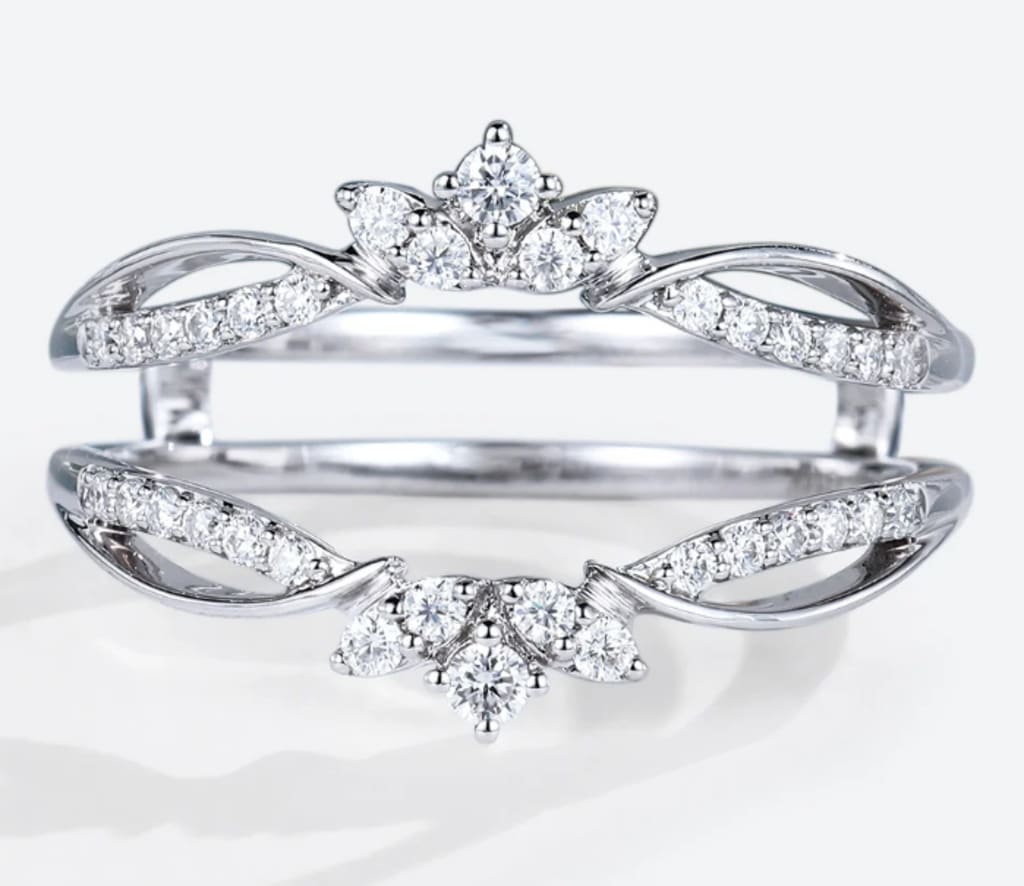
Selecting the right enhancer band for your engagement ring or any other jewelry piece involves several important considerations to ensure that the band complements your ring's design, fits perfectly, and enhances the beauty of your center stone. Here’s a detailed guide on how to choose the perfect enhancer band for your ring:
Ensure the Perfect Fit
One of the most important aspects when choosing an enhancer band is making sure that it fits well with your existing ring. The band must be designed specifically to work with the shape and size of your engagement ring. Here’s what to consider:
- Shape Compatibility: Engagement rings come in many shapes (round, oval, princess, emerald, etc.), and your enhancer band should be designed to complement and fit the specific shape of your center stone. For example, a curved or V-shaped enhancer band works well with a round engagement ring, while a straight enhancer band may be a better option for a square or princess-cut ring.
- Size and Proportion: Ensure that the enhancer band matches the size and proportion of your engagement ring. A band that’s too large may overwhelm the ring, while a band that’s too small might not provide the visual enhancement you’re looking for. The enhancer should not overpower the engagement ring but rather enhance it by accentuating its beauty and brilliance.
- Band Height and Width: Pay attention to the height and width of the band. For rings with a taller center stone or a higher setting, you’ll want an enhancer band that is slightly deeper to create a balanced look. For a more delicate design, a thinner band will work better and won’t look out of place.
Consider the Ring’s Design Style
Your engagement ring has its own distinct design style, and your enhancer band should align with that style to create a cohesive, harmonious look. Here are some key design factors to keep in mind:
- Vintage vs. Modern: If your engagement ring has vintage or antique-inspired features, such as intricate filigree, engraving, or a halo setting, you may want to select an enhancer band with similar vintage-inspired details. Ornate designs, like milgrain edges, intricate pave diamond work, or floral motifs, can match a vintage-style engagement ring beautifully. On the other hand, if your engagement ring has a sleek, minimalist design, opt for a modern enhancer band with clean lines and a more subtle, contemporary look.
- Center Stone Setting: The way your center stone is set also plays a big role in determining the right enhancer band. If your engagement ring features a high-prong setting, an enhancer band with a curved design will fit seamlessly around the prongs. If the stone is bezel-set or has a lower profile, a straight enhancer band may work better to complement the low-set design.
- Personal Style: Consider your own personal style and how it matches the design of your engagement ring. Do you prefer a bold, statement-making look, or are you more drawn to something understated and classic? Enhancer bands come in a variety of designs, so think about what appeals to you the most and how it fits with your overall aesthetic.
Match the Metal Type
For a seamless, elegant look, it’s important to match the metal of your enhancer band to that of your engagement ring. Here are some tips for choosing the right metal:
- Same Metal: If your engagement ring is made from a specific metal, like platinum, yellow gold, white gold, or rose gold, it’s best to choose an enhancer band made from the same metal. This ensures a cohesive look and prevents any clashing between different metal tones.
- Complementary Metals: If your engagement ring features a mix of metals or has two-tone elements (e.g., yellow gold and platinum), you might want to choose an enhancer band that incorporates both metals to tie the look together. For example, a platinum band with a yellow gold accent or vice versa can create a beautiful contrast while still maintaining harmony.
- Consider Durability: Some metals are more durable than others, so it's important to consider how the metal of your enhancer band will hold up to daily wear. Platinum and 18k gold are known for their durability, while softer metals like sterling silver may require more care and attention to avoid scratches or damage over time.
Choose the Right Accent Stones
An enhancer band often features accent diamonds or other gemstones that surround the center stone of your engagement ring. The choice of these accent stones is a key factor in enhancing the overall look of your ring.
- Diamonds vs. Colored Gemstones: Most enhancer bands feature diamonds, which add extra sparkle and brilliance. However, if you want something more unique, you can opt for colored gemstones such as sapphires, rubies, or emeralds. These gemstones can complement the color of the center stone or even create a bold contrast to make the ring stand out. For example, a sapphire enhancer band can be a striking complement to a diamond engagement ring, creating a visually interesting contrast.
- Pave Setting: Pave diamonds are commonly used in enhancer bands. In this setting, small diamonds are set closely together across the band, giving the illusion of a continuous surface of sparkle. This setting is perfect for adding extra brilliance without taking attention away from the center stone.
- Shape and Cut: The shape and cut of the accent stones should also match the shape of your center stone. For example, a round diamond center stone would pair beautifully with a round-cut accent diamond in the enhancer band, while a cushion-cut engagement ring would look stunning with square or cushion-shaped diamonds in the band.
Determine Your Budget
Enhancer bands come in a wide range of prices, depending on factors such as the metal type, the presence of diamonds or other gemstones, and the complexity of the design. Before making your decision, it’s important to set a budget to help guide your choice. Keep in mind that while some enhancer bands are affordable, others, especially those with high-quality diamonds or custom designs, may be more expensive.
If you’re working with a specific budget, consider looking for a more budget-friendly metal, such as 14k white gold or sterling silver, or choose a design with fewer diamonds or smaller accent stones. On the other hand, if you have more flexibility in your budget, you might opt for a platinum band with a full diamond halo or a unique design featuring colored gemstones.
Conclusion: Finding the Right Enhancer Band for Your Ring
Choosing the right enhancer band is an exciting process that allows you to elevate the beauty of your engagement ring or any other cherished ring. By ensuring a perfect fit, aligning the design with your personal style, matching the metal type, and selecting the right accent stones, you can create a stunning and cohesive look that enhances the sparkle and presence of your center stone.
Remember, the goal of an enhancer band is to complement, not overwhelm, the existing ring, adding extra brilliance and visual interest without overshadowing the original design. Whether you choose a classic pave band, a wrap-around style, or a more intricate design with colored gemstones, the right enhancer band will create a flawless and beautiful look that reflects your unique taste.
About the Creator
Stanislav Kondrashov on Greenland’s Growing Influence in Critical Mineral Markets
Greenland has historically been considered a remote and largely uncommercialised landmass. But as global demand for strategic minerals intensifies, the island is increasingly seen as a significant player in the evolving resource economy. TELF AG founder Stanislav Kondrashov believes Greenland could become a valuable contributor to reshaping mineral supply networks.
By Stanislav Kondrashova day ago in Trader
Standing While Falling
Quotation from Friedrich Nietzsche "He who wrestles long with monsters should beware lest he himself become a monster. And if you gaze long into an abyss, the abyss also gazes into you. Man is not destroyed by suffering, but by the meaning he makes of it."
By LUCCIAN LAYTH7 days ago in Critique




Comments (1)
Hello, just wanna let you know that we have to choose the "AI-Generated" tag before publishing when we publish AI-Generated content 😊