
Philippines Battery Materials Market: EV Momentum, Energy Storage & Industrial Demand
How electrification trends, renewable energy adoption and manufacturing expansion are driving battery materials demand in the Philippines


The Philippines battery materials market is gaining momentum as electrification, renewable energy storage systems, and electronic device demand combine to fuel growth in materials essential for producing batteries. Battery materials — including lithium-ion cathode and anode materials, electrolytes, separators, additives and conductive agents — are crucial for powering electric vehicles (EVs), portable electronics, grid storage systems and industrial applications. According to IMARC Group, the Philippines battery materials market reached USD 1,184.89 million in 2025 and is projected to reach USD 1,815.84 million by 2034, growing at a compound annual growth rate (CAGR) of 4.86% during 2026–2034. This growth reflects expanding EV adoption, increased investments in renewable energy storage, battery manufacturing growth and rising demand for advanced materials that improve performance, safety and energy density in battery systems.
As electrification trends accelerate globally and regionally, the Philippines is aligning with broader Southeast Asian dynamics of mobility transformation, industrial modernisation, and clean energy integration. Battery materials form the core inputs that enable high-capacity, efficient and safer energy storage solutions — from EV traction batteries to stationary grid systems that support intermittent renewable generation.
What’s Driving Market Growth?
Transportation Electrification & Electric Vehicle Adoption
Electric mobility is experiencing growth in the Philippines, bolstered by government policies, import incentives, and increasing consumer interest in eco-friendly transportation. Battery electric vehicles (BEVs), plug-in hybrid electric vehicles (PHEVs), and electric two-wheelers depend on sophisticated battery technologies like lithium-ion systems — leading to a rise in the necessity for high-quality cathode and anode materials, electrolytes, and conductive additives that improve energy density and longevity.
Storage for Grid Energy & Integration of Renewables
The implementation of renewable energy sources, such as solar and wind, has highlighted the necessity for dependable energy storage solutions that can manage variable generation. Utility-scale and commercial battery energy storage systems (BESS) assist in stabilizing grids, accommodating peak demand, and facilitating renewable integration. These storage systems utilize large-format battery cells, increasing the need for battery-grade materials and production inputs in the Philippines.
Electronics for Consumers & Mobile Gadgets
The swift expansion of consumer electronics markets — like smartphones, laptops, wearables, and portable devices — consistently bolsters the demand for battery materials. Lithium-ion systems continue to prevail because of their high energy density and performance traits, requiring a steady availability of quality components like cathodes, anodes, and electrolytes.
Manufacturing & Industrial Innovation
Local and regional manufacturing investments in battery components and associated supply chains are gradually shaping the Philippines’ role in the broader battery ecosystem. Partnerships with global material suppliers, technology transfers and industrial infrastructure expansion help support battery materials sourcing and logistics, reducing import dependence over time.
What the Opportunities Are?
Domestic Material Processing & Fabrication
Developing local processing and intermediate fabrication capabilities — such as precursor synthesis, cathode coating and anode processing — can reduce reliance on imported materials, lower costs and support regional supply chain resilience. Strategic partnerships with global material producers can accelerate capability building.
R&D in Advanced Chemistries
Investments in research and development focused on next-generation battery chemistries — such as solid-state batteries, silicon-enhanced anodes, high-nickel cathodes and safer electrolytes — open pathways for long-term competitiveness. Universities, research institutes and private labs can collaborate to drive performance improvements.
Sustainable Material Solutions
With sustainability becoming a priority, there is increasing opportunity for recycling, reuse of end-of-life battery materials, and development of greener precursor processes. Circular economy strategies — including second-life batteries and recovery of valuable metals — reduce environmental impact and support cost optimisation.
Integration with EV & Energy Policy Roadmaps
Aligning battery material production with national electrification incentives, renewable energy programmes and industrial policies can catalyse investments. Public-private initiatives that support battery plant development, joint ventures and infrastructure planning can strengthen the ecosystem.
Recent News and Developments in Philippines Battery Materials Market
Jul 2025: A regional automotive group announced plans to expand EV adoption initiatives and incentive programmes, signalling increased demand for electric mobility and associated battery systems. This initiative is expected to indirectly boost demand for battery materials as EV sales gain traction and local assembly capabilities evolve.
Sep 2025: Renewable energy stakeholders launched a public-private collaboration to scale utility-level energy storage solutions across key grid zones. The project highlighted grid stabilisation and peak shaving needs, emphasising battery materials demand tied to long-duration storage solutions.
Nov 2025: E-commerce and industrial materials platforms in the Philippines reported double-digit growth in advanced electrolyte and cathode precursor orders, driven by increasing interest among small-scale battery module assemblers and tech innovators. This trend indicates growing micro-segment activity in battery materials procurement and experimentation.
Why should You Know About Philippines Battery Materials Market?
It's important to understand this market as it is central to electrification, the shift to renewable energy, and digital change—factors that are transforming economic and industrial focuses in the Philippines and around the world. Battery materials are essential components for electric vehicles, grid storage, portable electronics, and industrial power systems, positioning them as strategic commodities linked to future energy and technological development.
For investors, the market for battery materials provides access to enduring developments in clean energy, changes in mobility, and industrial advancements. Given consistent CAGR forecasts and varied end-user requirements, material suppliers and downstream integrators could offer attractive prospects for investment or collaboration.
For manufacturers, understanding battery material dynamics — including segmentation, performance characteristics and supply chain challenges — supports informed planning for procurement, product development and competitive positioning. In essence, the Philippines battery materials market reflects how technology, energy policy and manufacturing growth converge — making it a key segment for economic insight, strategic investment, and future-focused industrial engagement.
About the Creator
Thomas
Market Research Analyst | Industry Trends & Forecasting | Turning market data into clear, actionable business insights across global sectors.
Australia Ready Mix Concrete Market Poised to Reach USD 111.5 Billion by 2033
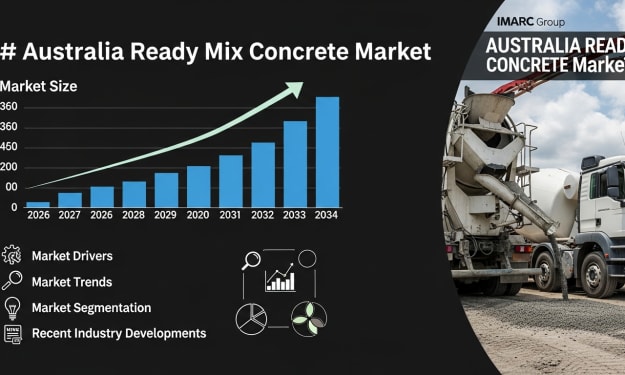
The Australia Ready Mix Concrete Market is poised for robust expansion over the next decade, driven by a convergence of dynamic construction activity, government-backed infrastructure investments, and a growing emphasis on green building materials. In 2024, the market reached a value of USD 48,787.88 million, marking a substantial base as demand for high-quality concrete continues to rise across residential, commercial, industrial, and infrastructure segments. Looking ahead, IMARC Group forecasts the market will expand to USD 111,511.62 million by 2033, translating to a strong CAGR of 9.62% between 2025 and 2033 — more than doubling in value over the period.
By Rashi Sharmaabout 6 hours ago in Trader
vedanta share price tests patience as cautious markets reveal slow-building opportunity
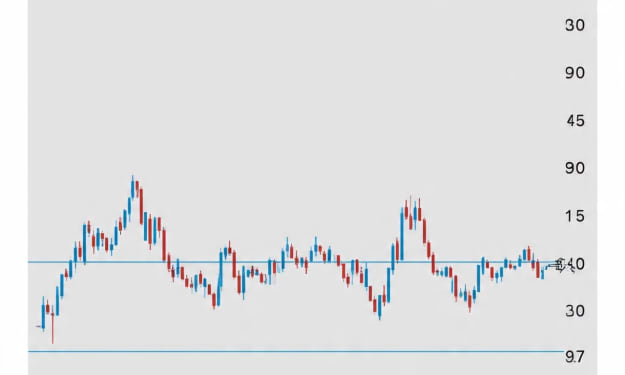
vedanta share price continues to test investor patience as the market moves carefully. Prices are not racing upward, but they are also not collapsing. This slow pace makes some investors uneasy, while others see a chance forming quietly. Understanding this phase can help readers avoid emotional decisions and focus on real value in vedanta share price. This article explains why vedanta share price demands patience, how cautious markets shape its movement, and where opportunity may slowly emerge.
By John.doe798about 3 hours ago in Trader


Comments
There are no comments for this story
Be the first to respond and start the conversation.