
Financial Freedom in Your 30s: Steps to Achieve Economic Independence
Take Control of Your Money: Proven Steps to Achieve Financial Freedom


Achieving financial freedom in your 30s might seem like a distant dream for some, but with the right strategies, it’s entirely possible. Financial independence doesn’t just mean having a large savings account; it’s about taking control of your money, making it work for you, and achieving a life where money no longer rules your decisions. In this article, we’ll walk through the key steps to help you achieve financial freedom in your 30s.
Why is Financial Freedom Important?
Financial freedom is more than just accumulating wealth. It’s about creating a life where you can pursue your passions without being held back by financial worries. As Robert Kiyosaki, the author of Rich Dad Poor Dad, famously says, “The goal of financial freedom is not to work for money, but to have money work for you.” By focusing on financial independence in your 30s, you give yourself the opportunity to live life on your terms, whether that means traveling, starting a business, or simply spending more time with loved ones.
Step 1: Master the Basics of Personal Finance

Before diving into advanced investment strategies or building wealth, it's crucial to master the basics of personal finance. This means understanding your income, expenses, savings, and debt. As Dave Ramsey, personal finance expert, suggests, “You have to tell your money what to do, or it will leave.”
Here are the basics you need to focus on:
Track Your Spending: Understand where your money goes each month. Apps like Mint or YNAB (You Need a Budget) can help you stay on top of your expenses.
Create a Budget: Develop a budget that accounts for all your necessary expenses, savings, and entertainment. Stick to it and avoid impulse purchases.
Emergency Fund: Aim for at least three to six months of living expenses in a high-yield savings account. This is your safety net in case of unexpected events like job loss or medical emergencies.
By gaining control over your spending habits, you set the foundation for financial freedom.
Step 2: Eliminate High-Interest Debt

Debt is one of the biggest obstacles to financial freedom. High-interest debt, such as credit card debt, can quickly spiral out of control and drain your finances. As Warren Buffett wisely puts it,
“The most important thing to do if you find yourself in a hole is to stop digging.”
To eliminate debt:
Tackle High-Interest Debt First: Use the avalanche method (paying off the highest-interest debt first) or the snowball method (paying off the smallest debt first) to systematically reduce your debt.
Negotiate Lower Interest Rates: Contact your credit card companies to see if you can lower your interest rate, which can help accelerate your debt repayment.
Once you’re free from high-interest debt, you’ll have more money available to invest and save for the future.
Step 3: Start Saving and Investing Early

One of the most powerful ways to build wealth is through compound interest. The earlier you start saving and investing, the more time your money has to grow. As Albert Einstein once said, “Compound interest is the eighth wonder of the world. He who understands it, earns it… he who doesn’t, pays it.”
Here’s how to start:
Automate Your Savings: Set up automatic transfers to your savings and investment accounts. This makes saving effortless and ensures consistency.
Invest for the Long-Term: Open a retirement account like a 401(k) or an IRA, and start contributing as much as you can. If your employer offers a 401(k) match, try to contribute at least enough to take full advantage of it.
Diversify Your Investments: Don’t put all your eggs in one basket. Consider diversifying across stocks, bonds, real estate, and other investment vehicles to reduce risk.
Even small contributions to your investments in your 30s can lead to significant wealth by the time you reach financial independence.
Step 4: Build Multiple Streams of Income
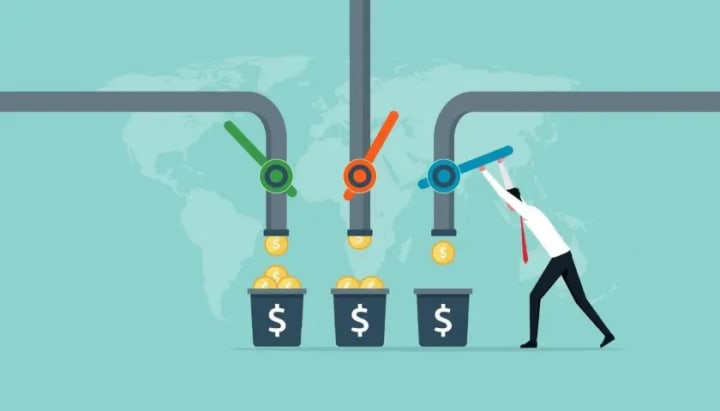
Relying on a single source of income can limit your ability to achieve financial freedom. Building multiple streams of income is a smart way to fast-track your journey to economic independence. As the legendary investor, Robert Kiyosaki, emphasizes, “The rich don’t work for money. They have their money work for them.”
Here’s how to diversify your income:
Start a Side Hustle: Whether it’s freelance writing, tutoring, or selling products online, find a way to earn extra money outside of your primary job.
Invest in Real Estate: Real estate can provide both passive income and long-term appreciation. Consider investing in rental properties, which can generate steady cash flow.
Create Passive Income Streams: Look for opportunities that generate money while you sleep, like writing a book, creating an online course, or investing in dividend-paying stocks.
Building multiple income streams will provide you with financial security and accelerate your path to independence.
Step 5: Prioritize Financial Education
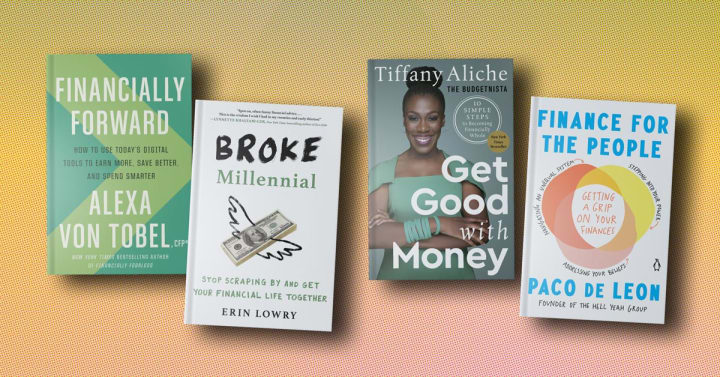
Financial literacy is key to making informed decisions with your money. Commit to continuously educating yourself about personal finance and wealth-building strategies. Read books, listen to podcasts, and attend seminars to learn from experts.
Books like The Millionaire Next Door by Thomas Stanley, Rich Dad Poor Dad by Robert Kiyosaki, and The Intelligent Investor by Benjamin Graham are fantastic resources to expand your knowledge.
The more you learn, the better equipped you’ll be to make smart financial choices and stay on track towards your goals.
Step 6: Create a Plan and Stay Consistent

Finally, the most important step in achieving financial freedom is to create a clear, actionable plan and stick with it. As Tony Robbins, a motivational speaker, advises, “Setting goals is the first step in turning the invisible into the visible.” Write down your financial goals, whether it’s paying off debt, saving a certain amount for retirement, or building your emergency fund. Break these goals down into smaller, manageable tasks and track your progress.
Stay consistent with your financial habits, and don’t get discouraged by setbacks. Achieving financial freedom is a marathon, not a sprint.
Conclusion
Achieving financial freedom in your 30s is an empowering goal that can dramatically improve your quality of life. By mastering personal finance, eliminating debt, saving and investing, building multiple streams of income, prioritizing financial education, and staying consistent, you’ll set yourself up for long-term success.
Remember, financial freedom is not about having unlimited money—it's about controlling your money so it works for you. Start today, take small steps, and watch your financial independence unfold.
Do you want to take control of your financial future? Start by implementing these steps today, and let us know how you're progressing in your journey to financial freedom!
About the Creator
Keep reading
More stories from Liam Osuos and writers in Trader and other communities.
Digital Detox: How to Find Balance Between Technology and Mental Health
In today's fast-paced, tech-driven world, staying connected has become second nature. Smartphones, social media, emails, and endless apps keep us engaged 24/7. While technology offers countless benefits, it also comes at a cost, "our mental health". That’s where the concept of a digital detox comes in.
By Liam Osuos11 months ago in Psyche
Saving for retirement, according to Elon Musk, will be "irrelevant" in 20 years.
Although Elon Musk has never been known for giving conventional advice, his most recent remarks regarding retirement planning have rekindled debate regarding the future of income security, work, and wealth. The billionaire entrepreneur and CEO of Tesla and SpaceX has argued, in interviews and posts on social media over the past week, that "saving for retirement will lose its importance over the next two decades."
By Raviha Imran4 days ago in Trader


Comments
There are no comments for this story
Be the first to respond and start the conversation.