
Digital Detox: How to Find Balance Between Technology and Mental Health
Steps to Disconnect from the Digital World and Boost your Mental Well-Being


In today's fast-paced, tech-driven world, staying connected has become second nature. Smartphones, social media, emails, and endless apps keep us engaged 24/7. While technology offers countless benefits, it also comes at a cost, "our mental health". That’s where the concept of a digital detox comes in.
If you've ever felt overwhelmed by constant notifications, felt anxious when disconnected, or noticed your focus slipping away, you're not alone. A growing number of people are realizing the importance of unplugging to restore their mental well-being. In this article, we’ll explore what a digital detox is, why it’s essential for your mental health, and how you can incorporate it into your life without feeling completely disconnected.
The Hidden Toll of Constant Connectivity
We’re living in an age where digital devices have become extensions of ourselves. Whether for work, socializing, or entertainment, most of us are perpetually online. While this connectedness has transformed how we work, interact, and stay informed, it comes with a price.
The Mental Health Impact of Overconnectivity
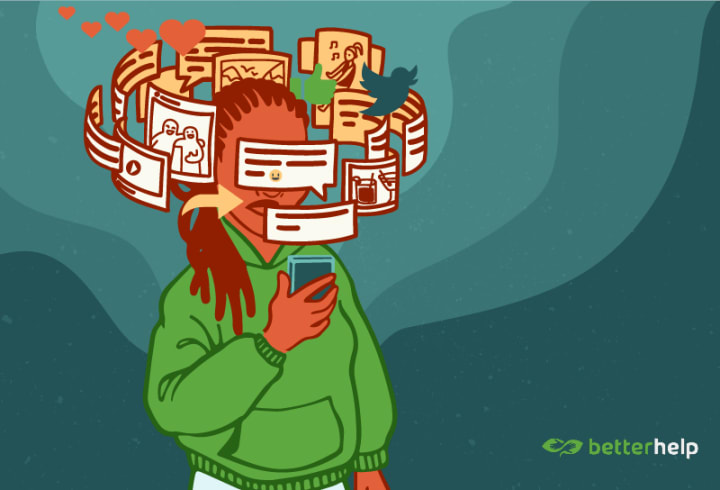
Increased Anxiety: Constant notifications and thMe pressure to stay updated can lead to anxiety and stress. Research shows that social media platforms, in particular, can trigger feelings of inadequacy and low self-esteem, often due to comparison culture.
Sleep Disruption: The blue light emitted by screens disrupts sleep cycles, making it harder to fall asleep. Studies indicate that screen time, especially before bed, negatively impacts the quality of rest, contributing to fatigue and stress.
Decreased Focus and Productivity: The constant pull of your phone or laptop can make it difficult to focus. Studies show that excessive screen time can impair attention span and make it harder to concentrate on tasks for extended periods.
Are You Addicted to Your Devices?
One of the first signs that you may need a digital detox is an unhealthy relationship with technology. Here are a few common signs:

Tech Dependence: Do you find yourself checking your phone every few minutes or feeling anxious when it’s out of reach?
Social Media Fatigue: If scrolling through your social media feeds leaves you feeling drained or overwhelmed, it might be a sign that you're consuming more than you need.
Constant Notifications: If your phone constantly buzzes with updates, it’s easy to get lost in a cycle of responding to notifications. This can hinder your ability to be present in the moment.
If any of this sounds familiar, it might be time to start thinking about a digital detox.
The Surprising Benefits of a Digital Detox
Taking a break from your devices can work wonders for both your mental and physical health. Here are just a few of the benefits:
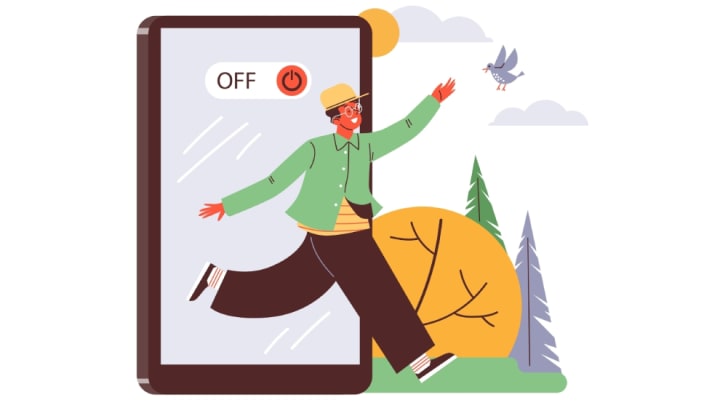
1. Reduced Anxiety: Unplugging allows you to distance yourself from the pressures of online life. It gives you space to breathe, reflect, and reset your mental state.
2. Improved Sleep: By limiting screen time, especially before bed, you improve your chances of getting a full, restful night’s sleep. More sleep means more energy for your daily activities.
3. Enhanced Productivity: Taking a break from digital distractions can help improve focus and clarity, which can lead to a significant boost in productivity. You'll be more present in the moment, making better decisions and getting things done faster.
4. Better Emotional Health: Disconnecting from the digital world allows you to focus on real-world relationships and self-care. It can help reduce the negative effects of social comparison and improve your overall sense of well-being.
5. Physical Benefits: Reducing screen time can have positive effects on your body, too. It can help reduce eye strain, headaches, and poor posture caused by prolonged sitting and looking at screens.
Practical Steps for a Successful Digital Detox
While the idea of a digital detox may sound intimidating, it doesn’t have to be extreme. Here are a few simple, yet effective, steps you can take to start your digital detox journey:
1. Set Tech-Free Zones
Designate specific areas in your home or office where technology is off-limits. For example, make your bedroom a screen-free zone to help improve sleep quality. Creating tech-free spaces will help your mind associate certain areas with relaxation and mindfulness.

2. Schedule Regular Breaks
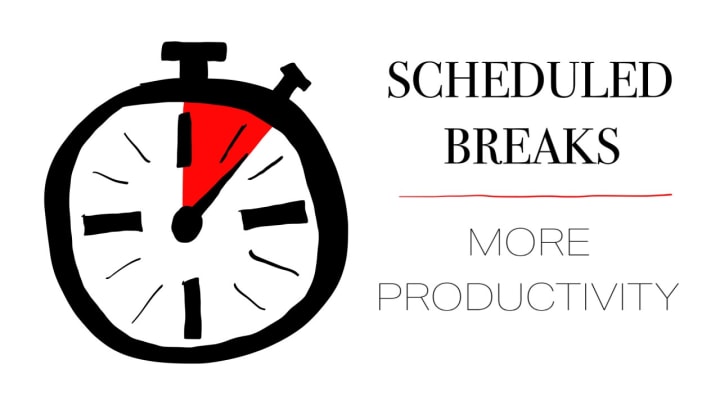
Take intentional breaks throughout the day to step away from screens. Try the Pomodoro Technique, where you work for 25 minutes and then take a 5-minute break to refresh. Use this time to engage in a physical activity, meditate, or enjoy a hobby that doesn't involve technology.
3. Turn Off Non-Essential Notifications
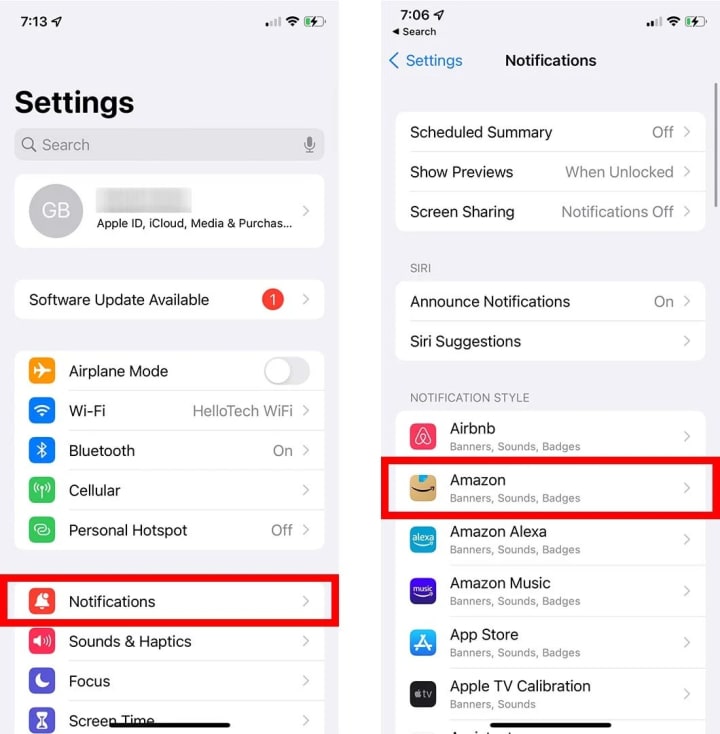
Turn off notifications for non-essential apps. This includes social media apps, news apps, and email. By controlling when you check these apps, you can avoid the constant interruptions and give yourself the mental space to focus.
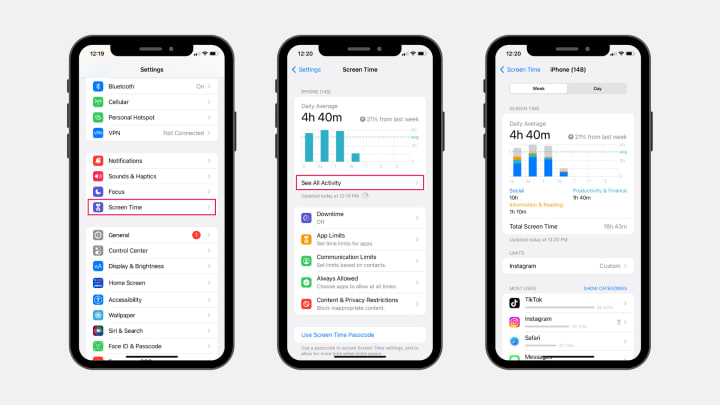
4. Set Screen Time Limits
Most smartphones now have built-in features to track and limit screen time. Use these features to create healthy boundaries. For instance, set a limit on how much time you spend on social media or entertainment apps each day.
5. Practice Mindfulness and Meditation
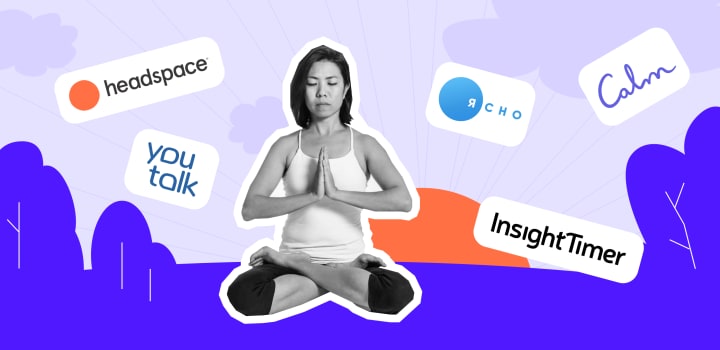
Incorporate mindfulness into your daily routine. Practicing mindfulness will help you stay present and reduce the pull of constant digital distractions. Even spending 5-10 minutes a day meditating can significantly reduce stress and improve mental clarity.

6. Use Technology Purposefully
When you do use technology, do so with intention. Instead of mindlessly scrolling or binge-watching, use your devices for specific purposes that contribute positively to your life. Whether it’s learning a new skill, reading, or connecting with loved ones, make your digital time count.

Maintaining a Healthy Digital Balance
A full digital detox doesn’t necessarily mean completely cutting yourself off from the digital world. It’s about finding a healthy balance that supports both your well-being and your professional or personal goals. Here are some tips to help maintain that balance:
Set Boundaries for Work and Personal Life: If you work from home or have a digital-based job, it’s crucial to set clear boundaries. Don’t let work emails or messages invade your personal time.
Digital Minimalism: Focus on using technology for things that add value to your life. Unsubscribe from unnecessary email lists, unfollow accounts that don't bring you joy, and keep only the essential apps on your phone.
Engage in Offline Hobbies: Reconnect with hobbies that don’t involve technology. Reading, writing, gardening, exercising, or crafting can provide a much-needed break from screens.
Conclusion: Embrace the Power of Disconnecting
While technology undoubtedly plays a vital role in our lives, it's important to recognize when it starts to take a toll on our mental and physical health. A digital detox is a powerful tool for resetting your mind, boosting productivity, and improving overall well-being. By incorporating simple strategies like setting boundaries, taking breaks, and practicing mindfulness, you can regain control over your relationship with technology.
So, take a step back, unplug, and give yourself the space to recharge. Your mind and body will thank you for it. Start small, and remember balance is key.
Key Takeaways
Digital detox helps reduce anxiety, improve sleep, and boost productivity.
Simple strategies, like setting tech-free zones and limiting screen time, can make a big difference.
A digital detox doesn’t mean total disconnection; it's about finding a healthy balance.
If you’re ready to take control of your digital life, why not start today? Turn off those notifications, step away from your screen, and enjoy the benefits of a more mindful and balanced lifestyle.
About the Creator
Keep reading
More stories from Liam Osuos and writers in Psyche and other communities.
Why Your Anxiety Gets Worse at Night & What Helps
If you’ve ever felt perfectly fine during the day but somehow become overwhelmed the moment everything gets quiet at night, you’re not alone. Many people experience this uncomfortable shift — where worries feel louder, the mind refuses to slow down, and small things suddenly seem much bigger than they are.
By Liam Osuos3 months ago in Psyche
Top tipple tricks
Been thinking a lot about drinking, lately. Not least because of a recent episode of over-indulgence and the inevitable after effects. Some readers may recall the earlier articles I wrote about beating the booze. Here I set out an experiment in techniques for cutting down on my alcohol intake. The experiment was successful, the techniques worked, and I have armed myself with an arsenal of weapons in the war against the demon drink. I have yet to fire the first round however. It's all a question of timing (perhaps procrastination).
By Raymond G. Taylor7 days ago in Psyche
Why Your Brain Refuses to Sleep — Even When You're Tired
You’re exhausted. Your eyes feel heavy, your body is drained, and you know you should go to bed. Yet somehow, you’re still scrolling on your phone, watching another video, or telling yourself “just one more episode.”
By Navigating the Worlda day ago in Psyche
A System That Isn’t Working Challenge Winners
Systems promise order. They organize behavior, distribute opportunity, and suggest that if everyone follows the rules, things will work. The entries in A System That Isn’t Working look closely at what happens when that promise begins to slip.
By Vocal Curation Team4 days ago in Resources




Comments
There are no comments for this story
Be the first to respond and start the conversation.