
Dow Jones Industrial Average Trends: What Investors Need to Know Today
The Dow Jones Industrial Average has been attracting attention as it continues to show strong performance.
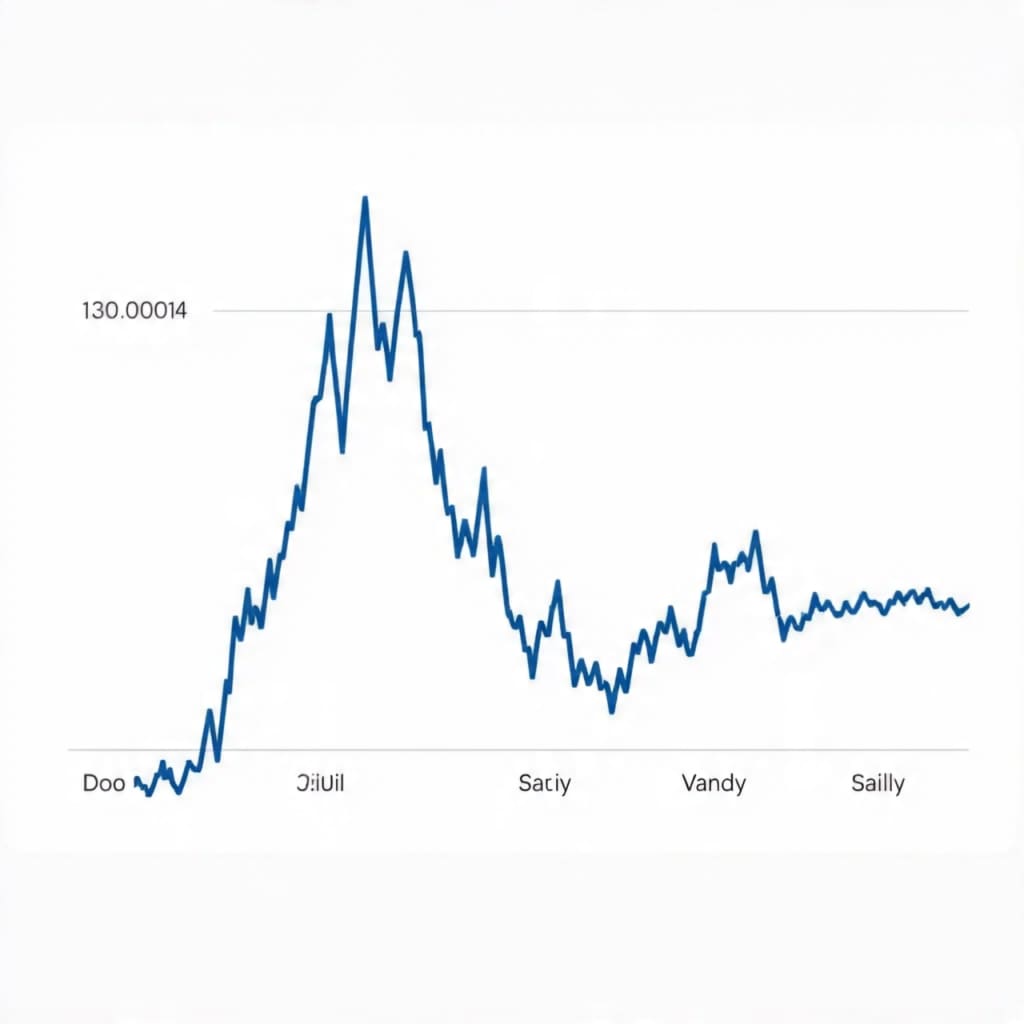
The Dow Jones Industrial Average has been attracting attention as it continues to show strong performance. Many investors are wondering whether these trends will continue or if a shift could be coming soon. By understanding the factors behind its movements, you can make smarter investment decisions and stay ahead in the market.
What Makes the Dow Jones Industrial Average Important?
The Dow Jones Industrial Average is a key index that tracks 30 large U.S. companies across different industries. It serves as a snapshot of how these major businesses are performing. When the Dow rises, it reflects confidence in the economy. When it falls, it may signal caution or concern. Investors and analysts use the Dow as a quick way to measure overall market trends, even though it does not cover all companies. Its movements often reflect broader economic patterns that affect all investors.
Key Factors Driving the Dow Jones Industrial Average
Several elements are fueling the recent gains in the Dow Jones Industrial Average.
Corporate Earnings Reports
One of the main drivers is strong earnings from major companies. When businesses report profits above expectations, investors respond by buying more shares, which pushes the Dow higher.
Economic Growth Signals
Positive economic indicators, such as rising employment, consumer spending, and business expansion, can boost investor confidence. When the economy appears strong, the Dow Jones Industrial Average often reacts with gains.
Investor Confidence
The sentiment of investors plays a major role. When people feel optimistic about the future, they invest more in stocks. This optimism drives demand and helps the Dow climb.
Is a Market Shift Likely?
Even though the Dow Jones Industrial Average is performing well, market shifts can occur quickly.
Normal Market Corrections
Markets often experience corrections after strong gains. A correction is a temporary decline in prices that helps prevent the market from overheating.
Global Events and Risks
Unexpected global events—like political tensions, trade issues, or natural disasters—can influence the Dow. Investors must monitor these risks to anticipate potential market shifts.
Interest Rates and Inflation
Changes in interest rates or inflation can impact company costs and profits. Higher costs may slow growth and affect the performance of the Dow Jones Industrial Average.
How Investors Can Navigate Market Trends
Understanding the Dow Jones Industrial Average helps investors respond wisely.
Diversify Your Portfolio
Avoid putting all your investments in one sector. Diversifying reduces risk if the market suddenly changes.
Think Long-Term
Short-term market swings are common, but focusing on long-term goals usually yields better results. Patience is key when tracking the Dow Jones Industrial Average.
Stay Informed
Regularly following news about the Dow Jones Industrial Average and other market indicators allows investors to make informed decisions. For additional market insights, check out our article on S&P 500 vs. Dow Jones Comparison.
Common Misunderstandings About the Dow
There are several misconceptions about the Dow Jones Industrial Average that investors should understand.
It Does Not Reflect the Entire Market
The Dow tracks only 30 companies. While these are significant, they do not represent all sectors or smaller companies in the U.S.
High Numbers Don’t Guarantee Individual Gains
Even if the Dow reaches record highs, not every investor will profit. Individual stock performance and market timing matter greatly.
Daily Fluctuations Can Be Misleading
News often focuses on daily changes in the Dow, but small swings do not always indicate long-term trends. Keeping perspective is essential.
Why Watching the Dow Jones Industrial Average Matters
Monitoring the Dow Jones Industrial Average helps investors understand economic trends and make better financial decisions.
Economic Health Indicator
The Dow often reflects overall confidence in the economy. Rising numbers can indicate growth, while declines may suggest caution.
Guides Investment Choices
Knowing the direction of the Dow can help investors decide when to buy, sell, or hold stocks. While it’s not a perfect predictor, it provides useful context.
Supports Financial Planning
Watching the Dow Jones Industrial Average can help you align your investment strategy with market conditions, supporting long-term wealth building.
Final Thoughts
The Dow Jones Industrial Average continues to show strong trends, offering opportunities for investors while also signaling potential risks. Understanding what drives the market, staying informed, and keeping a long-term perspective are crucial for navigating these changes. The Dow Jones Industrial Average is more than just a number it reflects confidence, economic trends, and opportunities in the market. To gain a broader view of market behavior, explore our article on S&P 500 vs. Dow Jones Comparison. Monitoring the Dow carefully helps you make smarter investment choices and prepare for what lies ahead.
About the Creator
Keep reading
More stories from hamza mirza and writers in Trader and other communities.
kag usdt Rising Trend: The Quiet Signals Investors Should Not Ignore
kag usdt is quietly showing signs of growth that many investors are just starting to notice. While some coins make headlines with sudden spikes, kag usdt moves with calm and steady strength. This article will explain why kag usdt is important, what signs to watch, and how investors can act wisely. For more trading insights, see our guide on how to spot early crypto trends.
By hamza mirzaabout 22 hours ago in Trader
Australia Asphalt Pavers Market: Paving the Way to USD 119M by 2033
The Australia asphalt pavers market is set on a steady growth trajectory, with current demand underpinned by ongoing infrastructure spending and increasing adoption of efficient, mobile paving solutions. According to the latest research from IMARC Group, the market was valued at USD 67.76 million in 2024 and is expected to reach USD 119.08 million by 2033, growing at a CAGR of 5.8% between 2025 and 2033.
By Rashi Sharma3 days ago in Trader
Writing About Writing: The Rainbow Trap
The good thing about living in modern times is that LGBTQ representation in media is increasing. Not just in niche and Independant media, either, but also in mainstream media. Books, movies, TV shows, comics... they're finally catching on that LGBTQ+ people form a significant part of their audience, and deserve to see themselves on screen and in fiction, not just as victims in documentaries and true crime shows.
By Natasja Roseabout 20 hours ago in Writers


Comments
There are no comments for this story
Be the first to respond and start the conversation.