
UAE to Join Trump’s ‘Board of Peace’ for Gaza: A Strategic Diplomatic Move with Regional Consequences
“The UAE formally joins President Trump’s Board of Peace, signaling a strategic commitment to Gaza’s reconstruction and regional stability amid a controversial international initiative.”

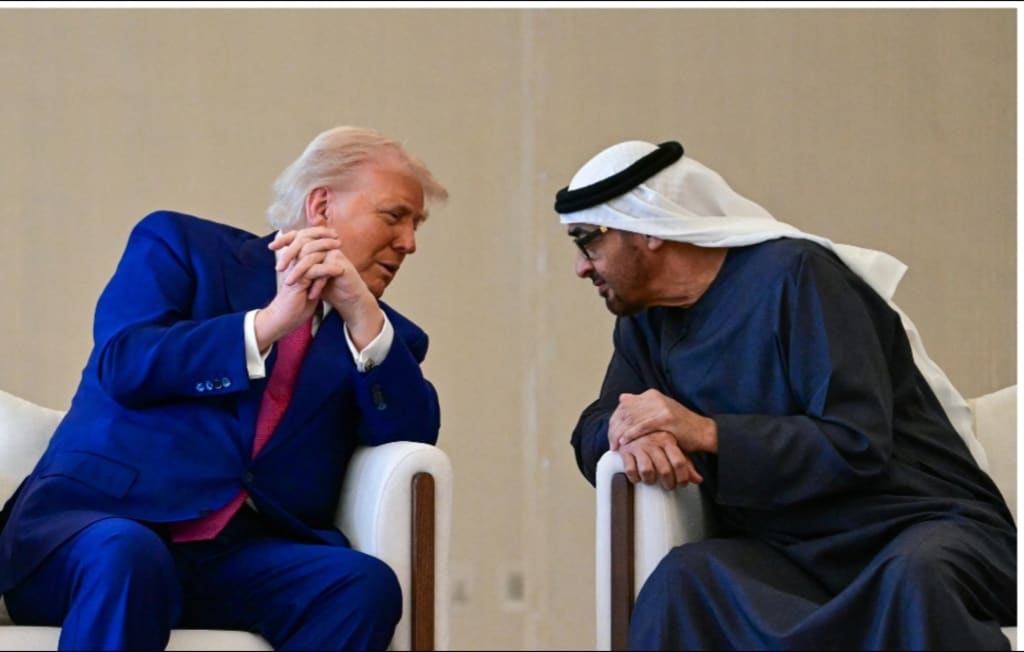
In a significant development in international diplomacy, the United Arab Emirates (UAE) has formally accepted an invitation from U.S. President Donald Trump to join the newly established “Board of Peace,” a U.S.–led initiative initially launched to help oversee the fragile peace process in the Gaza Strip following years of intense conflict. The decision positioning the UAE as one of the first countries to publicly support the Board’s mission underscores Abu Dhabi’s commitment to regional stability and global cooperation — even as the initiative itself attracts scrutiny and debate around its structure and long‑term impact.
What Is the ‘Board of Peace’?
The Board of Peace is an international body created under a resolution of the United Nations Security Council and championed by President Trump as a cornerstone of his broader peace and reconstruction plan for Gaza. It is envisioned as a coordination platform responsible for promoting peace, overseeing reconstruction efforts, and providing strategic oversight during the transitional phase following the Gaza conflict.
President Trump publicly announced the formation of the Board on January 15, 2026, describing it as one of the most distinguished assemblies ever created to address global conflicts. While its immediate focus is on the Gaza peace process, Trump and his administration have hinted at ambitions for a broader role in resolving international disputes beyond the Middle East.
According to the draft charter and public statements, the board’s members would include influential political leaders and key diplomatic figures. It operates under a unique structure in which the chairman — President Trump — retains significant influence. Member states are offered three‑year terms, with the option of securing permanent seats through substantial financial contributions, a provision that has drawn criticism for seemingly commercializing international peace efforts.
The UAE’s Acceptance and Its Significance
On January 20, 2026, UAE President His Highness Sheikh Mohamed bin Zayed Al Nahyan accepted the U.S. invitation to join the Board of Peace. The announcement was made by UAE Deputy Prime Minister and Minister of Foreign Affairs Sheikh Abdullah bin Zayed Al Nahyan, who emphasized that the decision reflects Abu Dhabi’s support for the full implementation of President Trump’s 20‑point peace plan for Gaza — a plan the UAE sees as critical for advancing the rights and dignity of the Palestinian people.
In official statements, the UAE highlighted that its participation was intended to foster cooperation, stability, and prosperity throughout the region. Sheikh Abdullah framed the nation’s decision as a reaffirmation of confidence in Trump’s leadership and U.S. commitment to peace, grounded in the spirit of past diplomatic breakthroughs such as the Abraham Accords — agreements facilitated by the U.S. that normalized relations between the UAE, Bahrain, and Israel in 2020.
The UAE’s early endorsement places it among a group of countries that have publicly declared support for the initiative, even as some Western and European nations approach the proposal with caution. By aligning itself with the Board of Peace, Abu Dhabi signals an active diplomatic role not only in the Middle East but also in broader peacebuilding efforts.
The Mission: From Gaza to Global Peace?
Originally envisioned as part of the second phase of the Gaza peace plan, the Board of Peace is tasked with helping implement a ceasefire, facilitate reconstruction, and support the transition to stable governance. Under this phase, a transitional Palestinian administration is to manage day‑to‑day affairs while international partners coordinate security, demilitarization, and economic revitalization — critical at a time when Gaza’s infrastructure remains devastated after long‑standing hostilities.
The inclusion of countries like the UAE — a country with strong political ties throughout the Middle East and a track record of engaging in peace initiatives — strengthens the Board’s diplomatic profile. Abu Dhabi’s participation also underscores a broader Arab engagement in shaping post‑conflict governance and regional stability.
However, the Board’s potential mission extends beyond Gaza. U.S. officials and supporters view it as a possible model for addressing other global conflicts, potentially complementing or even challenging traditional multilateral structures like the United Nations. This broader vision for the board’s role has spurred debate among diplomats and scholars about its implications for international norms and multilateral cooperation.
Criticism and Global Debate
While the UAE and several other governments have publicly welcomed the initiative, the Board of Peace has faced criticism from some corners of the international community. Critics argue that its structure — especially provisions for financial contributions to secure permanent membership — risks privileging wealthier nations and undermining the principle of equal diplomatic engagement. Questions have also been raised about whether the board’s expansive mandate could overshadow or weaken the role of established institutions like the United Nations.
Some European governments, for instance, have voiced reservations about the Board’s framework, preferring peace efforts rooted in existing multilateral mechanisms rather than a U.S.-led body with a potentially broad geopolitical reach. These concerns highlight an ongoing tension in international diplomacy between innovation and preservation of traditional norms.
Looking Forward
As the Board of Peace begins its work with high‑profile participants like the UAE, all eyes will be on how effectively it can translate diplomatic endorsements into tangible progress — especially for the people of Gaza, who have endured years of conflict, displacement, and humanitarian crises. Whether this initiative evolves into a meaningful force for peace or becomes more symbolic than substantive will depend on the board’s ability to balance strategic leadership, inclusivity, and cooperation with long‑standing global institutions.
In the coming months, diplomatic engagement and implementation efforts will be closely watched, particularly as the Board’s agenda expands and its real impact on international peacebuilding becomes clearer.
About the Creator
Keep reading
More stories from Salaar Jamali and writers in Trader and other communities.
Silver Market Deficit to Continue Throughout 2026, Says Fitch’s BMI
The global silver market is facing a prolonged period of supply tightness, with analysts at Fitch Solutions’ BMI unit forecasting that the silver market deficit will persist through 2026. This ongoing imbalance—where demand outpaces available supply—is poised to shape price dynamics, industrial use, and investment behavior in the precious metals space throughout the year.
By Salaar Jamaliabout 8 hours ago in Trader
Bitcoin Price Today: What Experts Are Saying About Its Next Big Move
Bitcoin price today continues to grab the attention of investors around the world. Every shift in value sparks curiosity and concern, especially for those looking to make smart investment choices. Understanding what drives these changes can help you stay ahead. They will explore key insights, hidden trends, and expert perspectives that shape bitcoin price today.
By hamza mirza5 days ago in Trader




Comments
There are no comments for this story
Be the first to respond and start the conversation.