
Year in Review: Our Pick of the Major Global News Events That Shaped a Turbulent 2025
From geopolitical tensions to natural disasters, 2025 was a year that challenged the world in unexpected ways
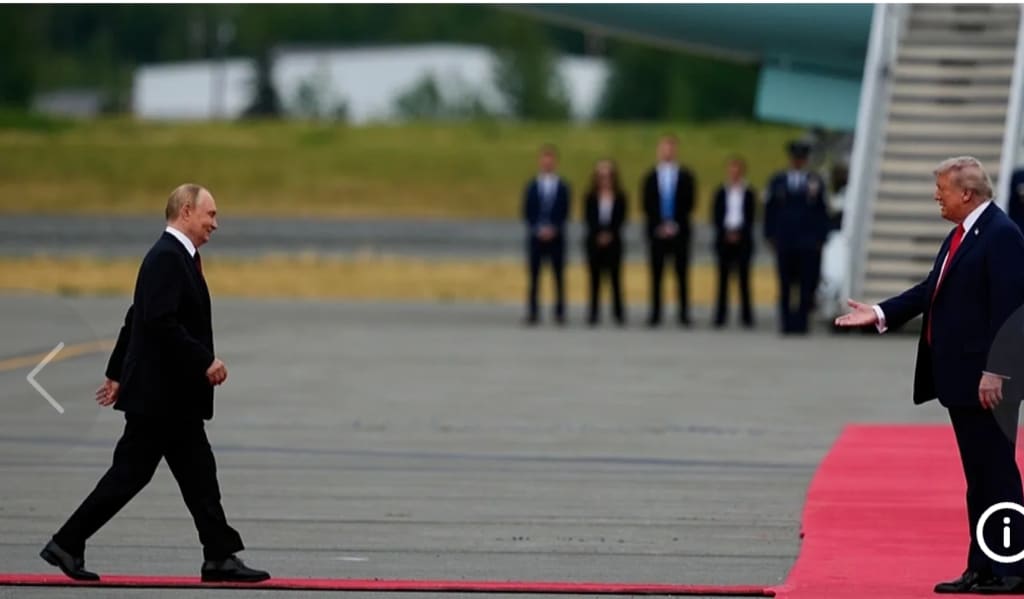
As 2025 comes to a close, it’s worth reflecting on a year that proved both unpredictable and transformative. Across continents, nations faced political upheavals, environmental crises, and social movements that reshaped the global landscape. Here, we review some of the most significant events that defined a year of turbulence, resilience, and change.
1. Escalating Geopolitical Tensions
One of the dominant themes of 2025 was geopolitical instability, with flashpoints emerging across multiple regions. Relations between major powers were strained, most notably:
US–Iran Tensions: Throughout the year, threats of intervention, protests, and diplomatic standoffs kept the international community on edge. The situation highlighted the fragility of peace in the Middle East and the continued importance of dialogue and restraint.
China and Japan Disputes: Taiwan remained a central issue as military exercises, rhetoric, and strategic maneuvers raised concerns over regional security. Analysts warned that even small miscalculations could have far-reaching consequences for East Asia.
Middle East Conflicts: Yemen, Syria, and other hotspots saw intermittent clashes, often drawing in regional powers like Saudi Arabia and the UAE, further complicating peace efforts.
These geopolitical tensions underscored how interconnected modern conflicts have become, with local disputes having global ripple effects.
2. Climate and Environmental Crises
2025 was also marked by severe climate-related events, reminding the world that environmental issues remain urgent:
Natural Disasters: Europe and Asia experienced record floods, wildfires, and storms, while the Caribbean and Pacific regions continued to grapple with hurricane season devastation.
European Heatwaves and Energy Challenges: Rising temperatures pushed infrastructure and energy systems to the limit, highlighting vulnerabilities in urban planning and sustainable resource management.
Environmental Policy Debates: Governments faced pressure to accelerate renewable energy transitions, protect natural habitats, and prepare for climate-induced migration.
These events not only caused human and economic loss but also sparked global conversations about mitigation and adaptation.
3. Political Shifts and Leadership Changes
Several nations experienced major political transitions, demonstrating the volatility of leadership and public sentiment:
United States: Discussions surrounding the National Guard, domestic protests, and political maneuvering kept the US on edge, with debates about governance and civil rights dominating headlines.
New Global Leaders: Notable elections and leadership changes—such as the rise of reformist figures in major cities and nations—reshaped local policies and international strategies.
Europe: Spain and Portugal’s ongoing adaptation within the EU continued to reflect the challenges and successes of decades-long integration efforts.
These shifts often intersected with economic and social issues, demonstrating the complexity of governance in a globalized world.
4. Technological Advancements and Controversies
2025 saw rapid growth in technology, but not without controversy:
Artificial Intelligence Missteps: Stories emerged of AI applications causing harm or sparking public outrage, such as privacy violations and misuse of AI-generated imagery.
Space Exploration and Tech Innovation: Several countries made progress in space missions and high-tech infrastructure, highlighting the ongoing race for technological leadership.
Cybersecurity Concerns: High-profile cyberattacks targeted corporations and governments, emphasizing the critical need for digital resilience.
Technology remained both a tool for progress and a source of societal challenges, forcing policymakers to consider regulations carefully.
5. Human Stories and Social Movements
Amid the political and environmental upheavals, human resilience and activism stood out:
Global Protests: From Iran’s youth-led demonstrations to climate marches worldwide, citizens demanded reform, justice, and accountability.
Community Support: Natural disasters and conflicts highlighted the importance of local and international humanitarian aid, with volunteers and NGOs playing critical roles in relief efforts.
Cultural Shifts: Movements advocating mental health, digital rights, and gender equality gained traction, reflecting a world increasingly conscious of social well-being and fairness.
These stories remind us that even in turbulent times, communities can drive positive change.
6. Major Accidents and Public Safety Events
2025 was also marred by tragic incidents that captured global attention:
Crans-Montana Fire: A devastating blaze at a Swiss ski resort claimed lives and left families waiting for answers, highlighting the importance of safety regulations and disaster preparedness.
Industrial and Transport Accidents: Ship seizures, cable damage, and other accidents revealed vulnerabilities in global logistics and infrastructure, affecting trade and public confidence.
Public Health Concerns: Regional outbreaks of disease prompted renewed focus on health systems, preventive measures, and international cooperation.
These events underscored the fragility of modern life and the importance of proactive safety and governance.
Looking Ahead: Lessons from a Turbulent Year
2025 demonstrated that the world faces interconnected challenges: political instability, environmental threats, technological dilemmas, and social pressures all intersect in ways that affect everyday life.
Key lessons include:
Diplomacy and Dialogue Matter: Tensions can escalate quickly, emphasizing the importance of proactive diplomacy.
Preparedness Saves Lives: From climate disasters to industrial accidents, planning and safety measures are essential.
Social Engagement Drives Change: Grassroots movements and citizen activism remain powerful tools for shaping policy.
Technology Requires Oversight: Innovation must be balanced with ethical considerations and security protections.
For governments, businesses, and individuals, reflecting on 2025 offers insights into building resilience, sustainability, and social cohesion in the years ahead.
Conclusion
As we review the major global events of 2025, it becomes clear that the year was defined by turbulence, transformation, and human resilience. From geopolitical crises and climate disasters to technological innovation and social activism, the events of this year will shape policies, economies, and societies for years to come.
While the world faces ongoing uncertainty, 2025 also reminds us that through collaboration, awareness, and adaptation, humanity can navigate challenges and strive for a more secure, just, and sustainable future.
About the Creator
Keep reading
More stories from Aarif Lashari and writers in The Swamp and other communities.
Swiss Ski Bar Fire: Former Hertfordshire School Pupil Among Those Missing
A devastating fire at a popular ski bar in Switzerland has left authorities scrambling to account for all those present, and among the missing is a former pupil of a school in Hertfordshire, UK. The incident, which occurred late in the evening at a resort frequented by international visitors, has shocked local communities and travelers alike.
By Aarif Lashari17 days ago in The Swamp
World Stock Markets Brace for Turbulence After Trump’s Latest Tariff Shock
Global financial markets are entering a period of heightened uncertainty following former U.S. President Donald Trump’s latest tariff announcement. Investors across Europe, Asia, and North America are adjusting portfolios, recalculating risks, and bracing for potential volatility in the weeks and months ahead. Analysts warn that Trump’s tariff decisions, whether focused on China, the EU, or specific sectors, have the potential to reshape international trade flows and investor sentiment.
By Muhammad Hassanabout 22 hours ago in The Swamp


Comments
There are no comments for this story
Be the first to respond and start the conversation.