
Xi’s Purge of a Top Chinese General Raises Alarms Over Taiwan and Political Succession
The sudden removal of one of China’s most senior military leaders has fueled speculation about internal power struggles, Beijing’s Taiwan strategy, and President Xi Jinping’s long-term succession plans.

A Shockwave Through China’s Military Leadership
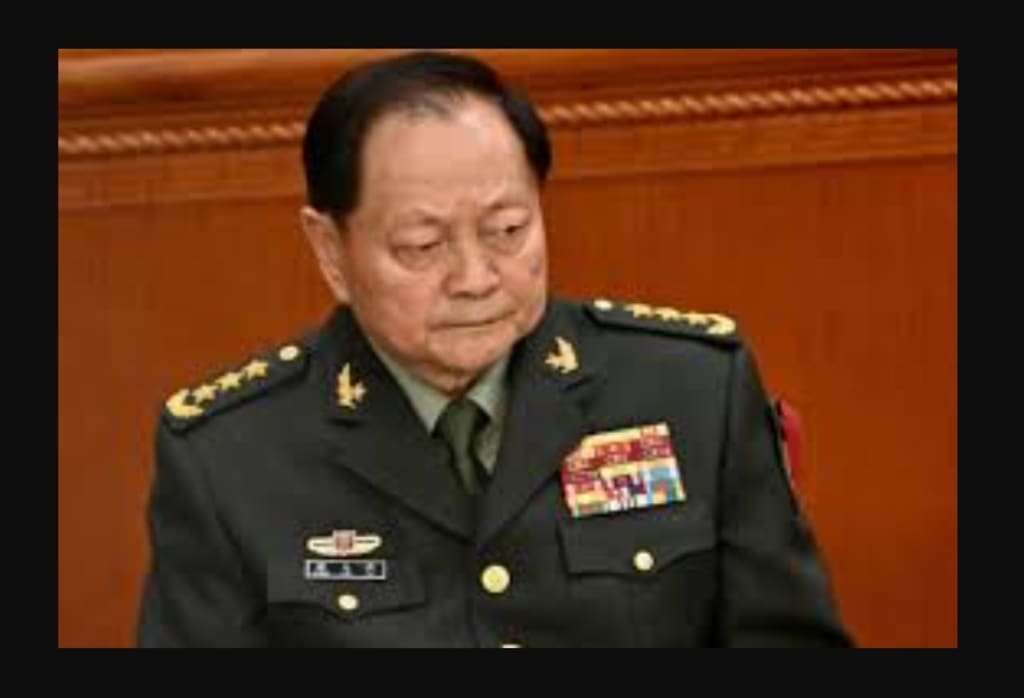
China’s political and military establishment has been shaken by the abrupt purge of a top-ranking general, a move that has sparked intense speculation both inside and outside the country. While official statements have offered limited details, the decision by President Xi Jinping has reignited debate over the stability of China’s leadership, the future of its military command, and Beijing’s approach toward Taiwan.
The removal underscores Xi’s continued efforts to consolidate control over the People’s Liberation Army (PLA), an institution he has long viewed as central to maintaining both national security and political authority.
Xi Jinping’s Pattern of Military Purges
Since coming to power, Xi has overseen an unprecedented series of anti-corruption campaigns within the Chinese military. Dozens of senior officers have been removed, detained, or sidelined, often under the banner of rooting out corruption and disloyalty.
While corruption has been a genuine issue within the PLA, analysts argue that these purges also serve a political purpose: eliminating rivals, reinforcing loyalty, and ensuring that the military remains firmly under Xi’s command.
The latest purge, involving a general considered close to the upper echelons of power, suggests that no position is immune from scrutiny.
Why This Purge Matters More Than Others
What sets this case apart is the strategic role of the general involved. Senior PLA leaders play a crucial role in shaping military readiness, regional strategy, and contingency planning—especially regarding Taiwan.
Removing such a figure raises immediate questions about internal disagreements, operational confidence, and whether Xi is dissatisfied with how military preparations are unfolding.
For outside observers, the timing of the purge is particularly significant, coming amid heightened cross-strait tensions and increasing military activity around Taiwan.
Implications for Taiwan Policy
Taiwan remains one of the most sensitive and consequential issues in Chinese politics. Xi has repeatedly emphasized reunification as a core national objective, refusing to rule out the use of force.
A purge at the top of the military could signal several possibilities. It may reflect Xi’s desire to tighten control ahead of potential future operations, ensuring that commanders are fully aligned with his strategic vision. Alternatively, it could suggest internal concerns about readiness, discipline, or disagreements over the pace and risks of military action.
Either way, the move has added uncertainty to Beijing’s Taiwan calculations at a time when regional tensions are already elevated.
Succession Questions Come Into Focus
Beyond Taiwan, the purge has revived speculation about succession planning—or the lack thereof. Xi has broken with decades of political norms by consolidating power and removing term limits, leaving no clear successor in place.
In this context, purges within the military can be seen as part of a broader effort to prevent any alternative power centers from emerging. By reshuffling top commanders, Xi reinforces a system where loyalty to him personally outweighs institutional continuity.
This approach may strengthen Xi’s grip in the short term but raises concerns about long-term stability if succession remains unresolved.
Impact on Military Morale and Command Structure
Frequent leadership changes at the top of the PLA can have mixed effects. On one hand, they may improve discipline and reduce corruption. On the other, they risk undermining morale, continuity, and trust within the ranks.
Senior officers may become more cautious, prioritizing political survival over strategic innovation. In a military expected to modernize rapidly and prepare for complex scenarios, such caution could prove costly.
International analysts are closely watching whether this purge leads to broader reshuffles or signals deeper institutional instability.
Global and Regional Reactions
The removal has drawn attention from governments across the Asia-Pacific region and beyond. Allies of Taiwan are assessing whether the move suggests a more aggressive posture or internal uncertainty within China’s military leadership.
Markets and diplomatic circles also view the purge as another reminder of how opaque decision-making in Beijing can create global ripple effects, particularly when it involves military and security matters.
What Comes Next for China’s Leadership
For now, Beijing has offered few details, leaving analysts to read between the lines. Whether the purge represents a routine disciplinary action or a sign of deeper fractures remains unclear.
What is certain is that Xi Jinping continues to reshape China’s power structure in ways that prioritize control and loyalty above all else. As Taiwan tensions persist and succession questions loom, each personnel decision carries added weight.
Conclusion
Xi Jinping’s purge of a top general has done more than remove a senior officer—it has reopened critical questions about China’s military readiness, its approach to Taiwan, and the future of political succession in Beijing.
In a system where transparency is limited, such moves inevitably fuel speculation. As China navigates a complex geopolitical landscape, the stability and cohesion of its leadership will remain under intense global scrutiny.
About the Creator
Asad Ali
I'm Asad Ali, a passionate blogger with 3 years of experience creating engaging and informative content across various niches. I specialize in crafting SEO-friendly articles that drive traffic and deliver value to readers.
Dow Drops 600 Points as Trump’s Greenland Scheme Sparks U.S. Capital Flight, Fear of Global Trade War: Live Updates
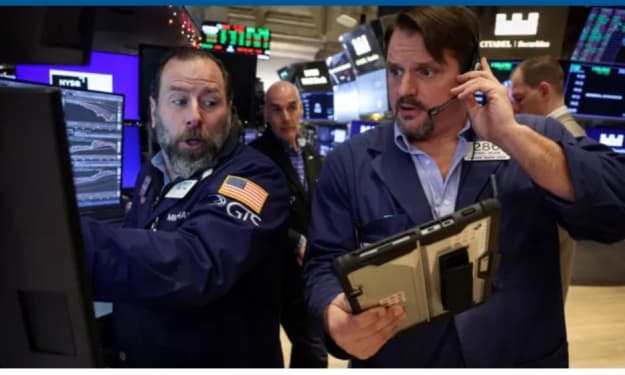
On Tuesday, January 20, 2026, U.S. equity markets experienced a dramatic sell-off as investors grappled with renewed geopolitical and trade tensions triggered by President Donald Trump’s controversial push related to Greenland. The Dow Jones Industrial Average plunged more than 600 points, while broader market indices suffered sharp declines, igniting fears of capital flight, global trade disruption, and heightened investor risk aversion.
By Salaar Jamali7 days ago in The Swamp
Xi’s Purge of Top General Spurs Questions on Taiwan, Succession
In one of the most dramatic political moves in recent Chinese history, President Xi Jinping has targeted one of his longest-serving military allies, General Zhang Youxia, vice chairman of China’s Central Military Commission (CMC). The purge has sparked serious questions about Beijing’s plans for Taiwan and the future of political succession in China.
By Aqib Hussainabout 16 hours ago in The Swamp



Comments
There are no comments for this story
Be the first to respond and start the conversation.