
Workers at Chinese Factory That Produces Labubu Toys Are Being Exploited, Says NGO
Introduction: A Cute Toy With a Troubling Backstory
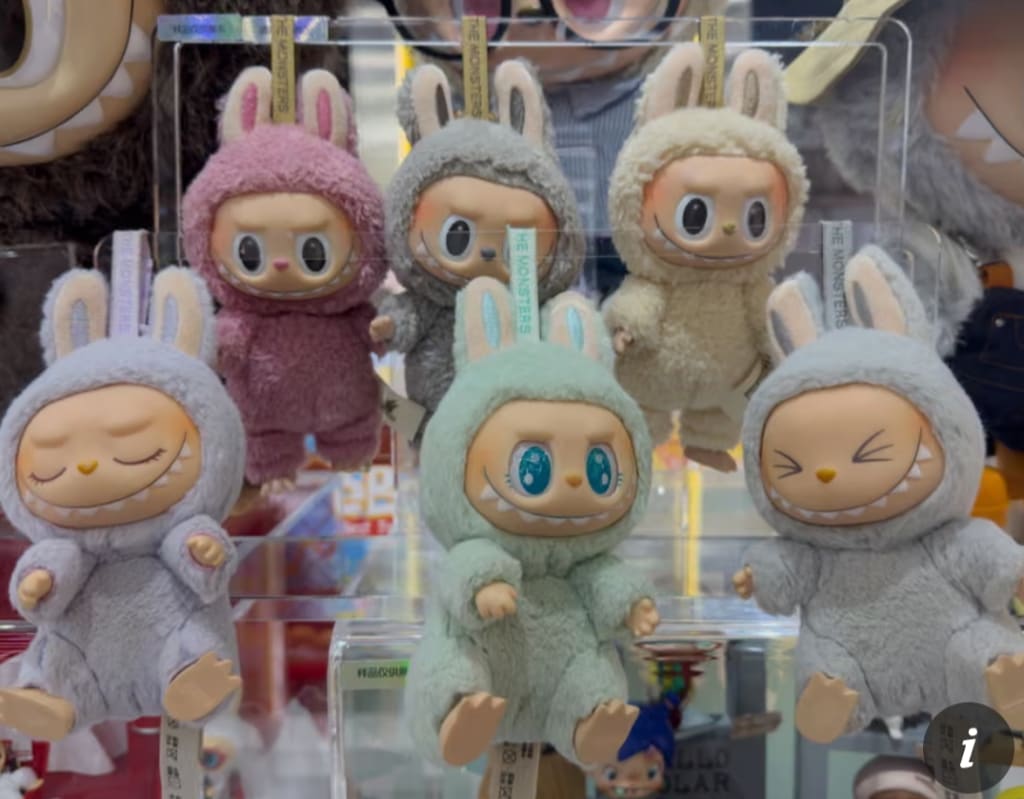
Labubu toys, known for their quirky designs and growing global popularity among collectors and children alike, have become a recognizable name in the designer toy market. But behind the colorful packaging and playful characters, a darker story is emerging. A new report by a labor rights non-governmental organization (NGO) claims that workers at a Chinese factory producing Labubu toys are facing exploitation, poor working conditions, and violations of basic labor rights.
The allegations have sparked concern among consumers, retailers, and human rights advocates, raising uncomfortable questions about supply chains, corporate responsibility, and the true cost of mass-produced toys.
Who Is Making the Allegations?
The claims come from an international labor rights NGO that monitors factory conditions across Asia. According to the organization, investigators conducted interviews with current and former workers, reviewed employment contracts, and gathered firsthand accounts from inside the factory that manufactures Labubu toys for global distribution.
The NGO says its findings point to systemic labor abuses rather than isolated incidents, suggesting that exploitation is built into the factory’s operating model.
Alleged Working Conditions Inside the Factory
According to the report, workers at the factory regularly endure excessively long shifts, sometimes exceeding legal limits under Chinese labor law. Employees allegedly work up to 12 hours a day, six or seven days a week, particularly during peak production periods.
Workers reportedly receive limited breaks, with some stating they are discouraged from leaving production lines even when fatigued. The NGO claims that refusal to work overtime can result in wage penalties, loss of bonuses, or threats of dismissal.
Such practices, if confirmed, would violate both domestic labor regulations and international labor standards.
Low Pay and Wage Concerns
One of the central accusations involves wages. The NGO alleges that workers are paid close to—or in some cases below—local minimum wage levels, despite working extensive overtime hours. Overtime compensation is reportedly inconsistent, with some workers claiming they were not paid legally mandated overtime rates.
Several workers interviewed said their pay fluctuated unpredictably due to fines imposed for minor infractions, such as making small mistakes on the assembly line or failing to meet production quotas. These deductions, the NGO argues, further reduce already low incomes.
Pressure, Surveillance, and Job Insecurity
Beyond wages and hours, the report describes an environment of constant pressure. Workers allegedly face intense monitoring, strict productivity targets, and verbal reprimands from supervisors. Some employees described a culture of fear, where speaking out about conditions could lead to retaliation.
Short-term contracts and the use of labor agencies reportedly make workers more vulnerable, as they can be easily dismissed without explanation. Migrant workers, who often lack strong social protections, appear to be particularly at risk.
Health and Safety Issues
The NGO also raised concerns about workplace safety. According to testimonies, some workers handle materials such as paints, plastics, and chemical adhesives with inadequate protective equipment. Ventilation in certain production areas was described as poor, raising concerns about long-term health effects.
Workers claimed that safety training was minimal and that reporting injuries could result in lost wages rather than support. While no major accidents were detailed in the report, advocates warn that chronic exposure to unsafe conditions can have serious consequences over time.
The Global Demand Behind the Pressure
Labubu toys have gained popularity through social media, influencer culture, and limited-edition releases that drive demand. The NGO argues that this business model—fast production, tight deadlines, and high volume—creates pressure that is ultimately passed down to factory workers.
Experts say this is a familiar pattern in global manufacturing, particularly in the toy and fashion industries, where suppliers compete on cost and speed. When brands prioritize low prices and rapid delivery, labor standards are often the first casualty.
Company and Industry Response
At the time of the report’s release, the company associated with Labubu toys had not issued a detailed public response addressing the specific allegations. In similar cases, manufacturers often state that they comply with local laws and conduct internal audits, though NGOs argue that such audits frequently fail to capture real conditions on the factory floor.
Industry analysts note that toy companies increasingly face scrutiny from consumers who want transparency and ethical sourcing. Failure to respond adequately can damage brand reputation, particularly in markets where ethical consumption is gaining momentum.
China’s Labor Laws and Enforcement Challenges
China has labor laws that regulate working hours, wages, and safety standards. However, enforcement remains uneven, particularly in manufacturing hubs where local governments may prioritize economic output over labor protections.
NGOs argue that workers often lack effective channels to report abuses, and independent unions are restricted. This imbalance of power allows exploitative practices to persist, especially in factories producing goods for export.
Consumer Responsibility and Ethical Questions
The allegations have reignited debate about consumer responsibility. Human rights advocates stress that buyers often unknowingly support exploitative labor through everyday purchases. While individual consumers may feel powerless, collective pressure—through boycotts, social media campaigns, and demands for transparency—has previously pushed companies to reform supply chains.
Some experts urge brands to conduct truly independent audits, improve wages, reduce excessive overtime, and allow worker representation.
Calls for Accountability and Reform
The NGO behind the report has called on the toy brand and its manufacturing partners to take immediate action. Recommendations include improving pay, enforcing legal working hours, eliminating punitive wage deductions, and ensuring safe working conditions.
The group also urged international retailers to demand higher standards from suppliers and to publicly disclose where and how their products are made.
Conclusion: The Human Cost of Cute Collectibles
Labubu toys may delight consumers with their imaginative designs, but the NGO’s report serves as a reminder that behind every product is a human workforce. If the allegations are accurate, the exploitation of factory workers highlights ongoing failures in global supply chains and corporate accountability.
As awareness grows, pressure is mounting on brands to ensure that creativity and profit are not built on suffering. Whether meaningful change follows will depend on how companies, regulators, and consumers respond to the voices of workers who rarely get to be heard.
About the Creator
Keep reading
More stories from Aarif Lashari and writers in The Swamp and other communities.
Josh Allen Shines as Bills Eliminate Jaguars From NFL Playoffs in Close Wild Card Win
A Postseason Thriller in Buffalo Josh Allen delivered a performance for the ages as the Buffalo Bills defeated the Jacksonville Jaguars in a nail-biting Wild Card playoff matchup, keeping their Super Bowl hopes alive. In a game that had fans on the edge of their seats until the final whistle, Buffalo emerged victorious in a contest defined by precision, grit, and late-game heroics.
By Aarif Lashari6 days ago in The Swamp



Comments
There are no comments for this story
Be the first to respond and start the conversation.