
China Says It Hopes Iran Will Maintain Stability and Reaffirms Opposition to Foreign Interference
Beijing urges restraint, dialogue, and respect for sovereignty amid rising Middle East tensions

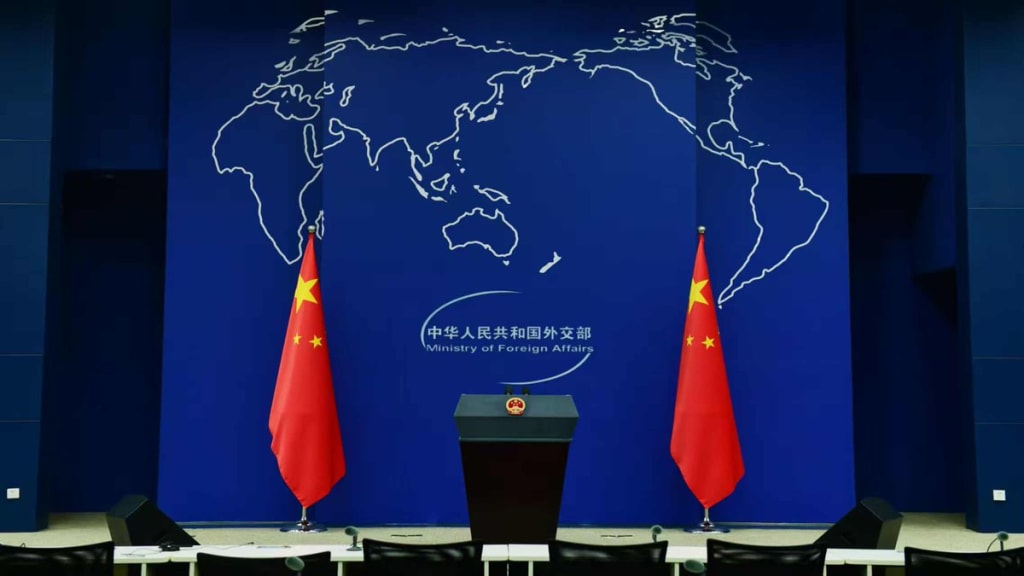
China has reiterated its hope that Iran will maintain stability, while voicing firm opposition to interference in other countries’ internal affairs and the use or threat of force in international relations. The statement reflects Beijing’s long-standing diplomatic principles and its growing concern over escalating tensions in the Middle East, a region critical to global security and energy supplies.
As geopolitical pressures mount, China’s message underscores its call for restraint, dialogue, and cooperation among all parties involved.
China’s Position on Iran and Regional Stability
China’s stance emphasizes support for Iran’s efforts to preserve internal stability while encouraging responsible behavior that contributes to broader regional peace. Beijing has consistently framed its foreign policy around respect for sovereignty and non-intervention, positioning itself as a counterbalance to what it views as coercive or unilateral actions by other global powers.
In the case of Iran, China has stressed that stability is not only a domestic concern but also a regional necessity. Any internal disruption or external confrontation involving Iran has the potential to ripple across the Middle East, affecting neighboring countries and global markets alike.
Opposition to Interference and Use of Force
A central element of China’s statement is its clear opposition to foreign interference and the use or threat of force in resolving international disputes. Chinese officials argue that such actions often worsen conflicts rather than resolve them, leading to prolonged instability and humanitarian crises.
This principle aligns with China’s broader diplomatic philosophy, which prioritizes dialogue, political solutions, and multilateral engagement over military pressure. Beijing has repeatedly criticized sanctions, military interventions, and regime-change strategies, particularly when they bypass international consensus.
By reiterating this position, China is signaling its disapproval of any actions that could further destabilize Iran or the wider Middle East.
Why the Middle East Matters to China
The Middle East holds strategic importance for China on multiple levels. Economically, the region is a major source of energy imports that fuel China’s industrial and economic growth. Any disruption to oil and gas supplies can have far-reaching consequences for global energy prices and economic stability.
Politically, China has invested heavily in strengthening ties with Middle Eastern countries through trade, infrastructure projects, and diplomatic engagement. Stability in the region supports China’s broader vision of global development and cooperation under initiatives such as the Belt and Road.
As tensions rise, Beijing’s call for peace reflects both principle and pragmatism.
Iran’s Role in Regional Dynamics
Iran occupies a pivotal position in Middle Eastern geopolitics. Its relationships with neighboring countries, involvement in regional conflicts, and interactions with global powers make it a key player in shaping the region’s future.
China’s hope that Iran will maintain stability suggests encouragement for Tehran to manage both internal challenges and external pressures carefully. While China supports Iran’s sovereignty, it also appears to favor restraint and diplomacy over actions that could escalate conflicts.
This balanced approach allows Beijing to maintain strong ties with Iran while advocating for regional calm.
Call for All Parties to Act Responsibly
China’s statement does not single out any specific country, instead urging all parties to act in ways conducive to peace and stability in the Middle East. This inclusive language reflects Beijing’s preference for multilateral solutions and shared responsibility.
By calling on all stakeholders to exercise restraint, China is positioning itself as a voice for de-escalation at a time when rhetoric and actions risk pushing the region toward further conflict. The emphasis on collective responsibility highlights the interconnected nature of Middle Eastern security.
Diplomatic Implications and Global Reactions
China’s comments are likely to resonate differently across the international community. Supporters of non-intervention may welcome Beijing’s emphasis on sovereignty and dialogue, while critics may view it as a challenge to more interventionist approaches favored by some Western nations.
Nevertheless, China’s growing diplomatic influence means its calls for stability cannot be easily dismissed. As a permanent member of the UN Security Council, Beijing’s position carries weight in shaping international discussions and potential resolutions.
Conclusion
China’s statement expressing hope that Iran will maintain stability, while opposing foreign interference and the use of force, reflects its consistent diplomatic worldview. By urging all parties to act in ways that promote peace and stability in the Middle East, Beijing is advocating for restraint, dialogue, and respect for sovereignty.
In a region marked by long-standing tensions and complex alliances, such calls may not resolve disputes overnight. However, they serve as an important reminder that lasting peace is more likely to emerge from cooperation than confrontation. As global attention remains fixed on the Middle East, China’s voice adds another dimension to the ongoing debate over how best to secure regional and international stability.
About the Creator
Asad Ali
I'm Asad Ali, a passionate blogger with 3 years of experience creating engaging and informative content across various niches. I specialize in crafting SEO-friendly articles that drive traffic and deliver value to readers.
Votes Being Counted in Uganda Election as Opposition Alleges Rigging
Uganda is at a critical political crossroads as votes are being counted in a highly contested election. The country has watched closely as citizens cast their ballots, and now the nation waits to see the outcome amid allegations of electoral malpractice.
By Aarif Lashari3 days ago in The Swamp
Wild Card Weekend Recap: What Happens Now?
I think I figured out why I love Wild Card Weekend so much. It's because it's the first playoff anything of the calendar year. The NFL season starts in the fall, and once upon a time, the champion was crowned either on or slightly before New Year's. The evolution of the NFL schedule has resulted in the playoffs starting just into the New Year, and currently, the final week of the season falls on the first weekend of the New Year, with Wild Card Weekend coming a week after that. So yes, chronologically, the NFL's Wild Card Weekend serves as the first playoff anything of the calendar year.
By Clyde E. Dawkins6 days ago in Unbalanced



Comments
There are no comments for this story
Be the first to respond and start the conversation.