
Why Was Rumeysa Ozturk Arrested? The Full Story Behind the Tufts Student’s Detention
A Shocking Arrest That Sparked Outrage

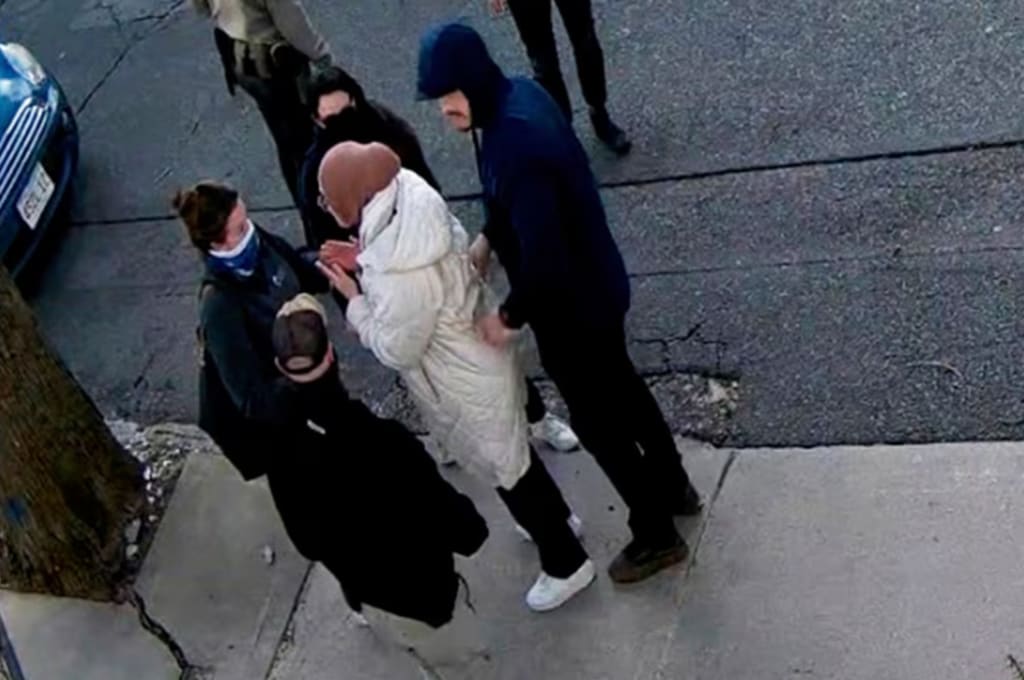
Rumeysa Ozturk, a Turkish doctoral student at Tufts University, was unexpectedly detained by U.S. immigration authorities while on her way to an iftar meal in Somerville, Massachusetts. The dramatic arrest, caught on video, has sparked widespread protests and raised serious concerns about academic freedom, immigration policies, and civil liberties. But why was she arrested? What led to this shocking incident? Let’s break down the full story behind her detention.
Who Is Rumeysa Ozturk?
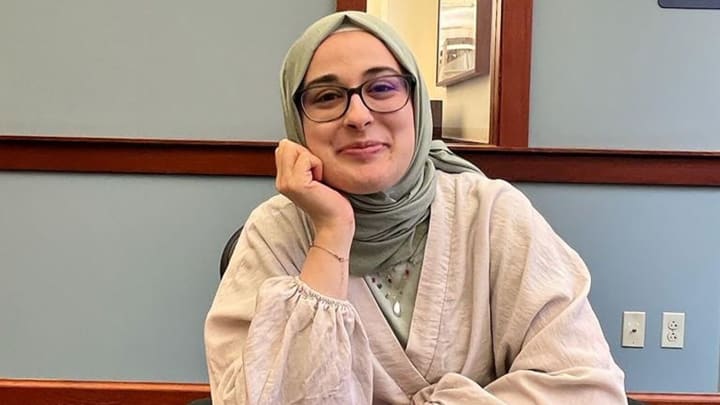
Rumeysa Ozturk is a promising graduate student at Tufts University, pursuing research in international relations. Known for her academic excellence and activism, Ozturk has been an outspoken supporter of Palestinian rights. She has participated in campus discussions, peaceful demonstrations, and social media activism related to the Israel-Palestine conflict. However, until now, she had never faced any legal trouble in the U.S.
The Arrest: What Happened?
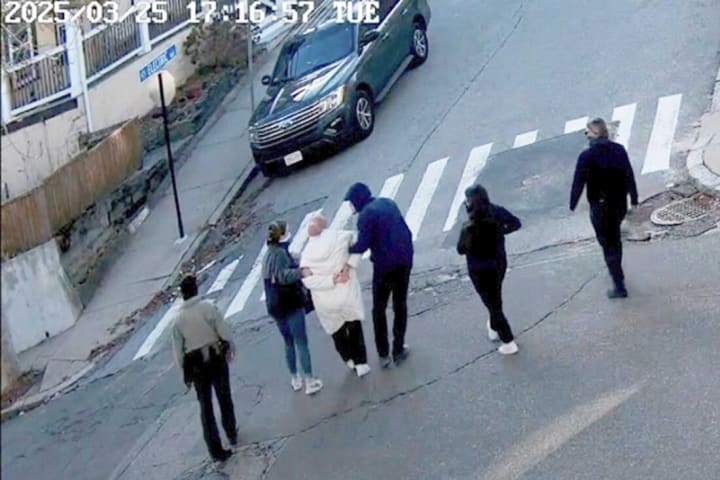
On March 25, 2025, Ozturk was walking near her residence in Somerville when she was suddenly approached by six plainclothes officers. They restrained her, confiscated her phone, and placed her in custody. The shocking moment was captured on video, which quickly went viral, showing a distressed Ozturk being taken away without immediate explanation.
Eyewitnesses described the arrest as "intimidating" and "aggressive." Many students and faculty members at Tufts were left wondering why their fellow student was targeted in such a manner.
Why Was She Arrested?

According to federal officials, Ozturk was detained due to alleged ties to Hamas, leading to the revocation of her student visa. However, no formal charges have been filed against her, leaving many to question the legitimacy of the claims.
Her lawyer, Mahsa Khanbabai, has strongly denied these allegations, calling the arrest "baseless and politically motivated." She argues that Ozturk’s detainment is a direct attack on free speech, given that she has only exercised her right to voice opinions on international affairs.
What Happened After the Arrest?
After being taken into custody, Ozturk was transferred from Massachusetts to the South Louisiana Correctional Centre; a move that further outraged her supporters. A Massachusetts court had previously ruled that she should remain in the state while her case was being reviewed, making her sudden transfer highly questionable.
The Backlash: Protests and Political Reactions
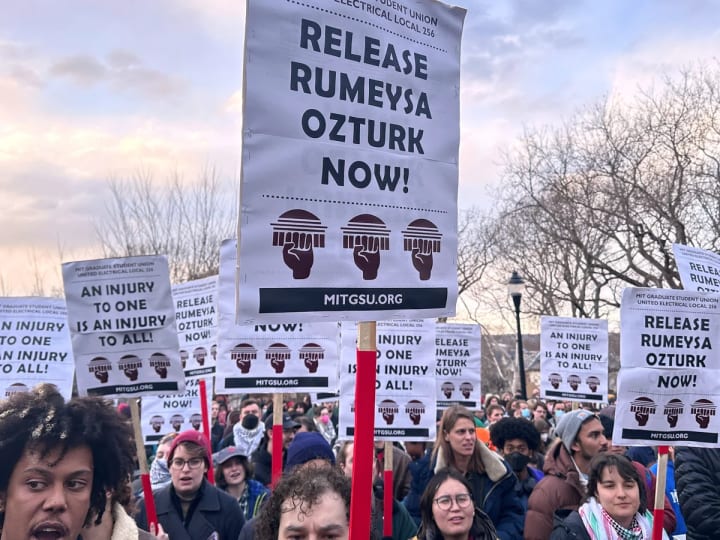
Following her arrest, protests erupted across Boston and other major cities. Thousands of students, faculty members, and activists gathered to demand her release, arguing that her detention represents a violation of human rights.
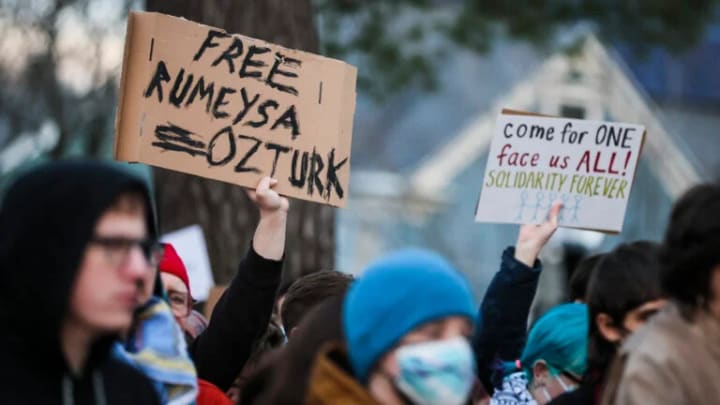
Massachusetts Attorney General Andrea Campbell publicly condemned the arrest, calling it "deeply disturbing" and warning that it sets a dangerous precedent for international students in the U.S. Meanwhile, Tufts University has stated that they were not informed about the arrest beforehand and are actively working to understand the situation.
Is This Part of a Larger Crackdown?
Ozturk’s case is not an isolated incident. In recent months, international students across the U.S. have faced increased scrutiny, especially those involved in pro-Palestinian activism. Reports suggest that students at Columbia, Brown, and other top universities have encountered legal challenges or visa issues linked to their political views.
Critics argue that the U.S. government is using immigration laws as a tool to suppress dissenting voices, particularly those advocating for Palestinian rights. This has led to concerns that academic freedom and freedom of speech are under threat.
What Happens Next?
Ozturk’s lawyer has filed a habeas corpus petition to challenge her detention, and legal experts predict a tough battle ahead. The outcome of her case could have major implications for other international students and activists in the U.S.
Meanwhile, public pressure is mounting. The growing movement in support of Ozturk has led to calls for congressional intervention, with some lawmakers urging a review of immigration enforcement policies related to student activists.
Conclusion: A Case That Demands Attention
Rumeysa Ozturk’s arrest has ignited a firestorm of debate over immigration policies, free speech, and academic rights in the U.S. As the legal battle unfolds, one thing remains clear: this case is far from over. Whether she is freed or deported, the controversy surrounding her detention will likely have lasting effects on how the U.S. handles international students and political activism moving forward.
As more details emerge, the world will be watching. Will justice prevail, or will this be remembered as another case of political suppression? Only time will tell.
About the Creator
Keep reading
More stories from Bevy Osuos and writers in The Swamp and other communities.
Was Mahmoud Khalil Arrested for Protesting or Something More? The Legal and Political Debate
Mahmoud Khalil, a Palestinian activist and permanent U.S. resident, was arrested by Immigration and Customs Enforcement (ICE) agents on March 9, 2025. This incident has ignited a complex debate surrounding the reasons behind his detention, intertwining issues of free speech, national security, and immigration policy.
By Bevy Osuos11 months ago in The Swamp
Verizon’s Response to Its Massive Outage Is What No Company Should Ever Do
When a company the size of Verizon experiences a massive outage, millions of customers notice. Text messages don’t go through, calls drop, mobile banking stalls, and businesses relying on cellular service grind to a halt. In these moments, customers are not just inconvenienced — they are frustrated, anxious, and looking for leadership.
By Aarif Lashariabout 11 hours ago in The Swamp



Comments
There are no comments for this story
Be the first to respond and start the conversation.