
Why Iran’s Response to a U.S. Attack Could Be Different This Time
Changing strategic, domestic, and regional conditions make Tehran’s reaction less predictable — and potentially far more consequential
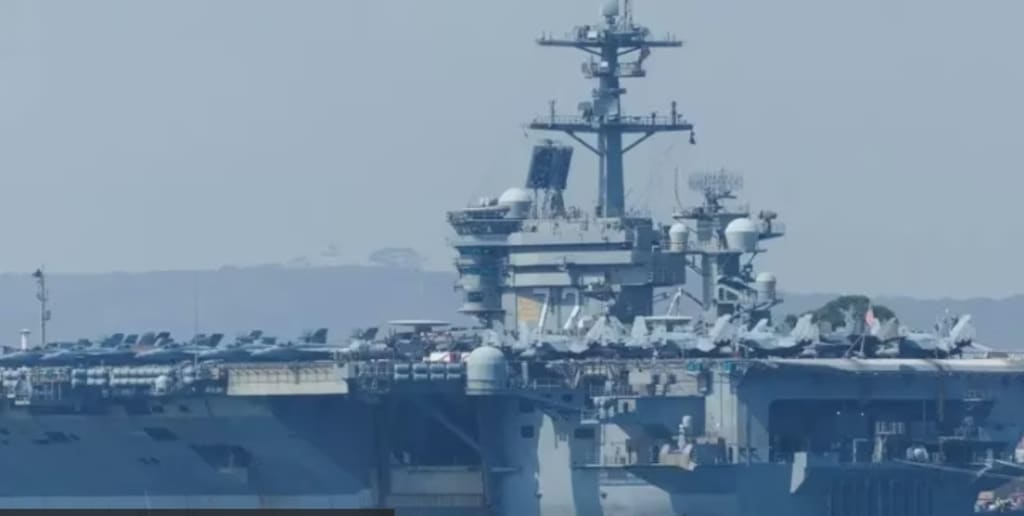
As tensions rise between the United States and Iran — with U.S. warnings, military buildups, and political posturing on both sides — analysts are asking a key question: If a U.S. attack were to occur, why might Iran’s response differ from past patterns? The answer lies in an unprecedented blend of internal instability, external pressures, and strategic rethinking within Iran’s leadership.
1. A More Volatile Internal Political Landscape
Unlike previous confrontations, Iran is currently grappling with significant domestic unrest. Massive anti‑government protests have shaken the country and led to thousands of deaths, according to activist reports. �
albaniandailynews.com
Previous military responses — such as the more measured retaliation after U.S. strikes in June 2025 — were partly designed to project resolve while avoiding immediate escalation. But today’s leaders face internal pressures that could encourage a faster and more forceful response if attacked. Some officials might see rapid retaliation as a way to unify public sentiment and distract from persistent domestic challenges. �
albaniandailynews.com
And at times of internal strain, political leaders may feel they have less room to maneuver — making sudden retaliation appear as the only viable way to demonstrate strength.
2. More Direct and Uncompromising Rhetoric from Iran’s Top Officials
Iranian military and political statements have become significantly less restrained. In contrast to past conflicts where responses were calibrated to signal only limited retaliation, current official statements emphasize that any attack — limited or otherwise — would be treated as an “all‑out war.” �
trtworld.com
Brigadier General Mohammad Akraminia, a spokesperson for Iran’s army, said that any assault would be met with a “decisive and swift response,” stressing that Iranian forces have been instructed to react “in real time and without delay.” �
Anadolu Ajansı
This shift in tone indicates that Tehran may no longer prefer delayed or symbolic retaliation, as it has at times in the past, but instead could opt for an immediate, robust military response.
3. Strengthened Military Readiness and Broader Arsenal
Since the previous confrontations, Iran has invested in expanding and upgrading its military capabilities — including missile systems, drones, and naval defenses. Reports suggest that Iran’s armed forces consider their level of readiness significantly heightened compared to previous years. �
A News
This improved readiness means Tehran may feel capable of responding swiftly and across multiple fronts if attacked. That includes:
Missile and drone strikes against U.S. forces or bases in the Middle East
Targeting U.S. naval assets, including aircraft carriers
Cyber and asymmetric responses that could challenge U.S. infrastructure or regional interests �
Anadolu Ajansı +1
The combination of expanded capabilities and ideological resolve suggests a response could be broader and more complex than what the United States has observed during previous stand‑offs.
4. Regional Considerations and Proxy Dynamics
Iran no longer faces tensions with the U.S. as a solely bilateral issue. Its regional network — including allied militias and proxy forces — increases the potential scope of any retaliation. Gulf states, Israel, and U.S. partners in the region could be drawn into response scenarios indirectly or directly, heightening the risk that conflict spreads beyond Iran itself. �
Le Monde.fr
This dynamic means Tehran may be preparing not just a direct reply but a multi‑layered response involving both its conventional forces and allied groups — a stark contrast to earlier, more constrained exchanges.
5. Diplomatic Shifts and External Pressures
The international environment also affects Iran’s calculus. The European Union’s designation of the Iranian Revolutionary Guard Corps (IRGC) as a terrorist organization has increased diplomatic isolation and pressure on Tehran. �
The Guardian
At the same time, Iranian officials have expressed conditional openness to diplomacy, preferring negotiations on an equitable footing rather than talks tied to defense‑capability restrictions. �
Reuters
This mix of harsher international pressure and limited diplomatic avenues could push Tehran toward a more assertive defensive posture, interpreting an attack as both a national and ideological threat.
6. Lessons from Past Conflicts and “Deterrence Signals”
In the 2025 U.S. strikes on Iranian nuclear facilities, Iran retaliated with a missile attack on U.S. forces the next day — a response seen as both a warning and a signal that it would retaliate without triggering full‑scale war. �
WHYY
But current rhetoric from Iranian leaders suggests that narrow or symbolic retaliation may no longer suffice to preserve deterrence. They have repeatedly framed any attack as potentially equal to an act of war, hinting they may escalate more quickly than before to avoid appearing weak — a legacy of missed deterrence opportunities and the perceived costs of prolonged domestic unrest. �
trtworld.com
7. Risk of Rapid Escalation: What Could Change the Game
Past patterns of measured, delayed, or proportionate retaliation were rooted in a desire to avoid full‑blown conflict. Now, Tehran’s leaders may feel:
They must reassert deterrence immediately
Internal political legitimacy depends on a strong posture
Regional allies expect decisive action
That means Iran’s response — if faced with a U.S. attack — is more likely to be immediate, forceful, and multifaceted, involving simultaneous military, cyber, and proxy responses.
Such escalation dynamics differ fundamentally from earlier periods when Tehran carefully calibrated its responses to avoid widening wars, making today’s potential conflict far more unpredictable and dangerous.
Conclusion: A Turning Point in Strategic Calculus
If the United States were to strike Iran, Tehran’s response could be dramatically different than in the past. The combination of:
internal instability,
harder official rhetoric,
enhanced military capabilities,
complex regional alliances, and
heightened international isolation
points toward a scenario where Iran might respond swiftly, decisively, and broadly.
This shift heightens the stakes for U.S. policymakers and global security. In a world where miscalculation can quickly spiral into wider conflict, understanding these evolving dynamics isn’t just strategic — it’s essential.
About the Creator
Keep reading
More stories from Zahid Hussain and writers in The Swamp and other communities.
Older Women ‘Disappear’ from BBC Presenting Roles, Review Finds
The BBC and Representation Concerns A recent review has highlighted a troubling trend: older women are increasingly absent from BBC presenting roles. While younger presenters remain highly visible on prime-time television, women over a certain age appear to face systemic challenges in maintaining on-screen roles. This finding has sparked debate about ageism, sexism, and diversity in media, raising questions about how broadcasting organizations value experience and expertise. The Scope of the Review The review examined: BBC programming across television and radio The age and gender distribution of presenters Patterns in long-term career progression and on-screen visibility The results showed that women over 50 are significantly underrepresented, particularly in high-profile, front-facing presenting roles, while men of the same age continue to appear regularly. Why Older Women Disappear: Factors at Play Several factors contribute to this trend: 1. Societal Ageism and Beauty Standards Media industries often favor youthful appearance, disproportionately affecting women. This bias reflects wider societal attitudes that equate value with age and appearance. 2. Internal Broadcasting Policies Internal recruitment and promotion practices may unintentionally prioritize younger talent, leading to fewer opportunities for older women. 3. Audience Perceptions Some argue that broadcasters assume audiences prefer younger presenters, though research indicates that viewers value credibility, experience, and knowledge over age. 4. Lack of Support and Mentorship Older female presenters often lack career support or mentorship, limiting their ability to navigate internal promotions or new roles. Voices from the Industry Several former and current BBC presenters have shared their experiences: A veteran presenter noted, “I went from prime-time slots to less visible roles as I got older, despite maintaining high performance and audience approval.” Media analysts point out that men often face no such decline, highlighting a gender disparity in career longevity. These accounts underscore the systemic nature of the problem rather than it being the result of individual performance. Impact on Broadcasting and Audience The absence of older women in presenting roles has broader implications: Loss of Expertise: Experienced presenters bring nuanced insight that benefits programming quality. Reduced Representation: Audiences are deprived of diverse perspectives and role models, particularly for older female viewers. Cultural Message: The trend reinforces societal stereotypes that women’s visibility diminishes with age. Comparisons to Other Media Organizations The review suggests that the BBC is not alone in this pattern. Across global media: Older female journalists often face similar career stagnation Male presenters frequently maintain high-profile roles well into their 60s and 70s Efforts to diversify programming remain partial or inconsistent, particularly concerning age This indicates that the issue is industry-wide, reflecting deep-seated structural biases. Calls for Action In response to the review, advocates and media experts suggest several measures: Policy Reform: Implement policies to protect against age discrimination in hiring and promotion Mentorship Programs: Establish mentorship opportunities for women approaching mid-career or older Audience Engagement: Promote content that values experience and expertise, not just youth Regular Monitoring: Conduct regular diversity audits to track age and gender representation Such initiatives could help create a more equitable media landscape. Why This Matters Beyond the BBC The disappearance of older women from high-profile media roles sends a wider societal signal: Reinforces stereotypes about women, aging, and professional value Limits aspirational role models for younger women entering the media industry Reduces the diversity of voices in public discourse, which is essential for well-rounded journalism and storytelling Media representation is not just about aesthetics—it influences public perception, culture, and gender equality. Positive Examples and Progress Some broadcasters have begun addressing this issue: Highlighting seasoned presenters in prime roles regardless of age Offering flexible schedules to retain experienced female staff Celebrating women with expertise in specialized areas like science, economics, and politics These efforts demonstrate that change is possible when organizations prioritize inclusivity. Conclusion: Towards an Inclusive Broadcasting Future The review’s findings are a wake-up call: experience and expertise should not be overshadowed by age or gender. Older women have much to contribute to broadcasting, from credibility and depth to audience trust and continuity. For the BBC and other media organizations, the challenge is clear: ensure fair representation, recognize the value of experience, and dismantle ageist and sexist barriers. Doing so not only promotes equality but enriches programming quality for all viewers.
By Zahid Hussaina day ago in The Swamp
US Military Moves Navy, Air Force Assets to the Middle East: What to Know
The United States military has recently announced a significant repositioning of Navy and Air Force assets toward the Middle East, a move that has drawn global attention as tensions with Iran escalate and regional security remains fragile. This deployment—described by U.S. political leaders as a deterrent—is taking place against the backdrop of protests inside Iran, broader Middle East conflicts, and the dual strategic priorities of protecting U.S. forces and reassuring allies in the region.
By Salaar Jamali5 days ago in The Swamp
Qatar Weather Alert: Strong Winds and Dust Clouds to Hit Tomorrow
Residents advised to take precautions as meteorological department issues warning Qatari authorities have issued a weather alert for tomorrow, warning that strong winds and dust clouds are expected to sweep across parts of the country. Officials have urged residents, motorists, and businesses to exercise caution, as the conditions could disrupt transportation, reduce visibility, and impact daily life. The alert comes as Qatar experiences seasonal changes in wind patterns, which often bring dust storms and challenging weather conditions, particularly in desert and urban areas. Authorities are closely monitoring the situation and coordinating with emergency services to ensure public safety. What to Expect from the Weather According to the Qatar Meteorology Department, the country will experience: Strong northwesterly winds reaching speeds of 35–50 km/h in some regions Dust clouds and reduced visibility, particularly on highways and open roads Fluctuating temperatures, with slightly cooler conditions in the evening and early morning The combination of wind and dust could affect outdoor activities, travel plans, and construction projects. Drivers are advised to reduce speed, keep headlights on, and maintain safe distances from other vehicles. Impact on Daily Life Strong winds and dust storms can disrupt several aspects of life in Qatar: Road Travel – Dust clouds may reduce visibility, increasing the risk of traffic accidents. Authorities recommend avoiding unnecessary travel, especially on highways and desert roads. Air Travel – Airports may experience minor delays due to low visibility or airborne dust affecting runways and aircraft systems. Passengers are advised to check flight schedules in advance. Public Health – Dust can irritate the respiratory system, particularly for children, the elderly, and those with asthma or other lung conditions. Wearing masks and limiting outdoor exposure is recommended. Business Operations – Outdoor work, including construction and maintenance, may face slowdowns or temporary halts to ensure safety. Emergency services and local municipalities are on standby to clear roads, assist motorists, and provide support for affected areas. Meteorological Explanation The upcoming weather is influenced by seasonal wind currents and regional pressure changes. Strong northwesterly winds carry fine sand and dust particles from the surrounding desert areas, creating widespread dust clouds across urban and rural regions. Meteorologists note that while Qatar often experiences high temperatures during the day, dust storms and wind gusts can lower daytime temperatures slightly, making conditions unpredictable. Residents should remain updated with the latest forecasts and advisories. Safety Tips for Residents Authorities recommend several measures to stay safe during strong winds and dust storms: Limit outdoor activities unless necessary Keep windows and doors closed to prevent dust from entering homes Use protective masks if going outside, especially for vulnerable groups Secure loose objects outdoors, such as garden furniture or construction materials Drive cautiously and avoid sudden lane changes or overtaking in low visibility These precautions can significantly reduce the risk of accidents and health issues during extreme weather events. Preparedness and Government Response The Qatari government has activated emergency response teams to monitor the situation. Municipalities are preparing to: Clean roads quickly in the event of heavy dust accumulation Assist in traffic management Provide medical support for dust-related health issues Authorities are also using social media, radio, and SMS alerts to inform the public in real-time about weather updates, ensuring residents can make informed decisions. Regional Implications Dust storms are common in Gulf countries during certain seasons. Neighboring countries like Saudi Arabia, the UAE, and Bahrain often experience similar conditions, which can affect air quality, travel, and cross-border transport. Meteorologists emphasize that these events are part of natural weather cycles and highlight the importance of preparedness and awareness. By following guidance from local authorities, residents can stay safe and minimize disruption. Looking Ahead The strong winds and dust clouds are expected to persist throughout tomorrow, gradually subsiding by late evening. While this particular weather event is temporary, Qatar experiences seasonal dust activity that may occur several times a year, particularly in transitional months. Experts advise residents and businesses to: Monitor daily forecasts Maintain emergency supplies such as masks and clean water Plan travel carefully to avoid high-risk periods Staying proactive and informed is the best way to navigate weather disruptions safely. Conclusion Qatar’s upcoming weather alert serves as a reminder of the country’s vulnerability to seasonal dust and strong winds. While such events are natural, preparation and caution are essential to protect public health, ensure road safety, and maintain normal daily life. By following the advice of meteorologists and government authorities, residents can minimize the impact of the strong winds and dust clouds expected tomorrow and stay safe during this temporary but disruptive weather event.
By Fiaz Ahmed 7 days ago in The Swamp



Comments
There are no comments for this story
Be the first to respond and start the conversation.