
Why EU Citizens Want Stronger Unified Leadership Amid Global Tensions
How Security, Economic Uncertainty, and Global Power Shifts Are Pushing Europeans Toward Deeper Unity

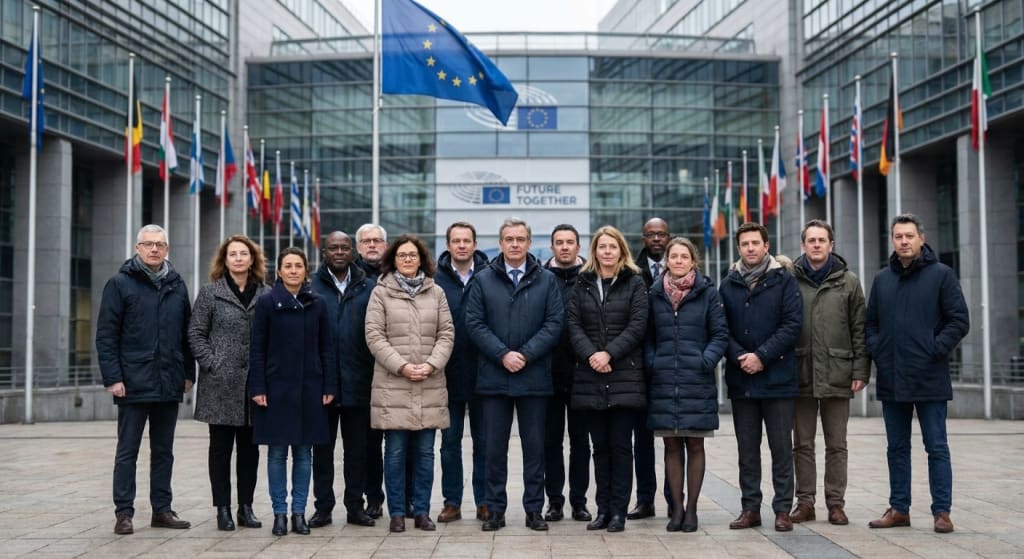
Across Europe, public opinion is shifting. More citizens than ever are calling for **stronger, more unified leadership within the European Union**, especially as global tensions intensify. From geopolitical conflicts and security threats to economic uncertainty and climate challenges, Europeans increasingly believe that individual nations cannot effectively face these pressures alone. Instead, they see a united EU as essential for stability, influence, and protection in a rapidly changing world.
Rising Global Uncertainty Is Driving Demand for Unity
One of the strongest reasons behind this shift is the growing sense of global instability. Ongoing conflicts near Europe’s borders, heightened competition between global powers, and unpredictable international alliances have exposed vulnerabilities within the EU’s fragmented decision-making structure. Many citizens now feel that **a divided Europe weakens its ability to respond quickly and decisively** to crises.
In areas such as foreign policy and defense, slow consensus-building among member states often leads to delayed or diluted action. As a result, public support is growing for stronger central leadership that can coordinate responses more efficiently and represent Europe with a single, powerful voice on the global stage.
Defense and Security Are Top Concerns
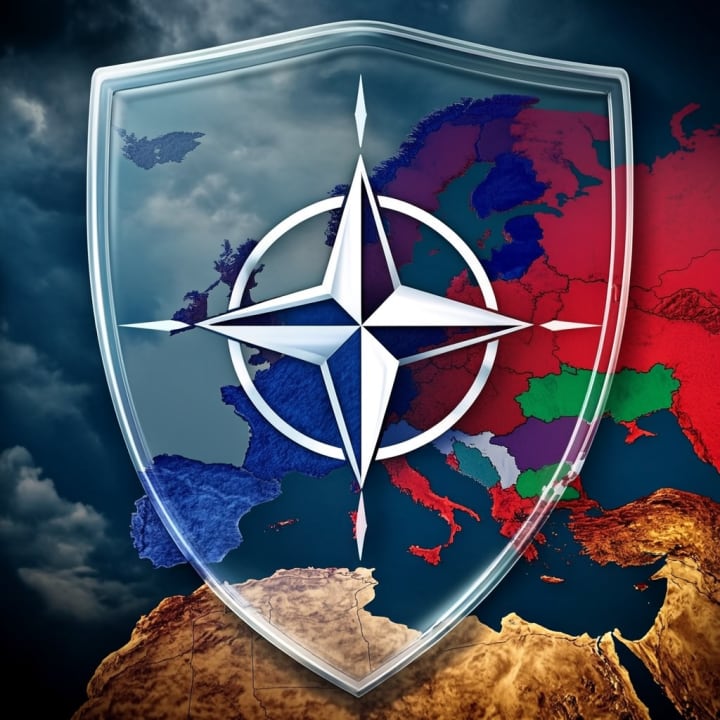
Security has become a defining issue for European voters. Cyberattacks, disinformation campaigns, terrorism, and military threats have pushed defense higher on the public agenda. Citizens increasingly support **greater cooperation in defense spending, intelligence sharing, and military readiness** across the EU.
Many Europeans now believe that a unified defense strategy would not only reduce dependence on external allies but also strengthen Europe’s ability to protect its borders and values. Calls for deeper integration within EU defense structures reflect a broader belief that **collective security is more effective and economical than fragmented national approaches**.
Economic Pressures Highlight the Need for Coordination
Economic uncertainty has also played a major role in shaping public opinion. Inflation, energy price volatility, supply chain disruptions, and fears of future recessions have reminded citizens how interconnected European economies truly are. When one country struggles, the effects often ripple across the continent.
Stronger EU leadership is seen as a way to coordinate economic policies, stabilize markets, and protect citizens from global shocks. Many Europeans support unified strategies on energy independence, industrial policy, and trade negotiations, believing that **a coordinated EU economy can better compete with global powers like the United States and China**.
Climate and Energy Challenges Require Collective Action
Climate change and energy security are other areas where EU citizens see clear benefits in stronger leadership. Extreme weather events, environmental degradation, and the transition to renewable energy affect all member states, regardless of borders.
Public opinion increasingly favors **EU-wide climate policies**, shared investment in green technology, and unified energy strategies to reduce reliance on external suppliers. Citizens recognize that fragmented environmental policies weaken Europe’s ability to meet climate targets and increase long-term costs for everyone.
Younger Generations Favor a Stronger EU Identity
Younger Europeans, in particular, tend to support deeper EU integration. Having grown up with free movement, shared educational programs, and cross-border digital connectivity, many see themselves as both national citizens and Europeans. For them, stronger EU leadership represents progress, opportunity, and global relevance.
This generational shift is gradually influencing political discourse, pushing leaders to consider reforms that enhance transparency, democratic legitimacy, and efficiency at the EU level.
Trust, Accountability, and the Future of EU Leadership
While support for stronger unified leadership is growing, citizens also demand **greater accountability and democratic participation**. Many want reforms that make EU institutions more transparent and responsive to public concerns. The call is not for centralized power without oversight, but for leadership that is both strong and trusted.
As global challenges continue to evolve, the debate over EU governance is likely to intensify. What is clear, however, is that a growing number of Europeans believe that unity is no longer optional—it is essential.
Conclusion
The desire for stronger unified leadership within the European Union reflects a pragmatic response to today’s realities. Faced with global tensions, security threats, economic uncertainty, and climate challenges, EU citizens increasingly see unity as Europe’s greatest strength. How EU leaders respond to this public demand may shape the future of the continent for decades to come.
About the Creator
Artical Media
my name is Neeru Verma+++
I am from Delhi In India.
I Working from Last Year Content Writing & Artical Writing.
Thank you.
For Reading My Articals.
Visit My Store:DIGIMARTS.redbubble.com
Keep reading
More stories from Artical Media and writers in The Swamp and other communities.
Why is freedom important
The phrase freedom refers back to the opportunity that everyone has to make choices concerning their personal lives, but with certain barriers. We have the capability to select from a variety of options but within the same time we have to now not jeopardise the liberty of others. Absolute freedom does not exist because if all people could be loose to do whatever they need then unwittingly the others’ proper to freedom may be violated.
By Artical Media4 years ago in The Swamp
Why Black History Matters in America?
The United States of America is celebrating their 250th anniversary in 2026. I'm proud to be an American and as someone who was born here, I wouldn't imagine myself living anywhere else. This is a country where opportunities are possible. Where anyone can be successful in anything they desire to do. Equality, community, and togetherness are the backbones of what America is and should be about. However, we have an administration who wants to erase and disregard those who have made positive, meaningful impacts in our country, specifically Black figures, such as Martin Luther King, Jr., Rosa Parks, and Maya Angelou. President Trump and his administration have been constantly complaining and fighting against what they call the "Woke agenda". They use this excuse as a distraction from other issues they refuse to address, such as the high cost of living, climate change, and inflation. That equality is dividing America, when in reality, it's bringing us together. Being woke is not tied to a specific political party. No matter where you stand on the political spectrum, you can still care about other people and their plights. Compassion and empathy for others isn't tied to a political party, either. We were taught as children to treat others the way we want to be treated and not judge others because they're different from us. Caring about others isn't a personal attack on your beliefs. It doesn't make you any less of a person. People who are easily offended over African American figures, past or present, or anything related to it, are grasping at straws. Current and future generations need to know who people like Harriet Tubman and Shirley Chisholm were, especially in the classroom. Black History is part of American History. It should be recognized, not hidden or forgotten. Besides, you can't shield children from everything, just because your feelings are easily hurt.
By Mark Wesley Pritchard 7 days ago in The Swamp
TMZ Receives Alleged Ransom Note Linked to Savannah Guthrie’s Mother, Nancy: Unraveling the Mystery
Introduction In a shocking development that has stunned the public, TMZ has received an alleged ransom note supposedly tied to Nancy Guthrie, the mother of Today show anchor Savannah Guthrie. The note, which contains alarming and cryptic language, has sparked an intense media frenzy as both law enforcement and public figures work to understand the motives and origins of the threat. While the situation is still unfolding, the incident has raised questions about celebrity privacy, security, and the darker side of media attention.
By Ayesha Lashari4 days ago in The Swamp



Comments
There are no comments for this story
Be the first to respond and start the conversation.