
Why America Has Its Eye on Pakistan: Oil, Jets, and a Shifting Alliance
From Trump’s Tweet to Tactical Praise—Is the U.S. Quietly Redrawing Its South Asian Strategy?

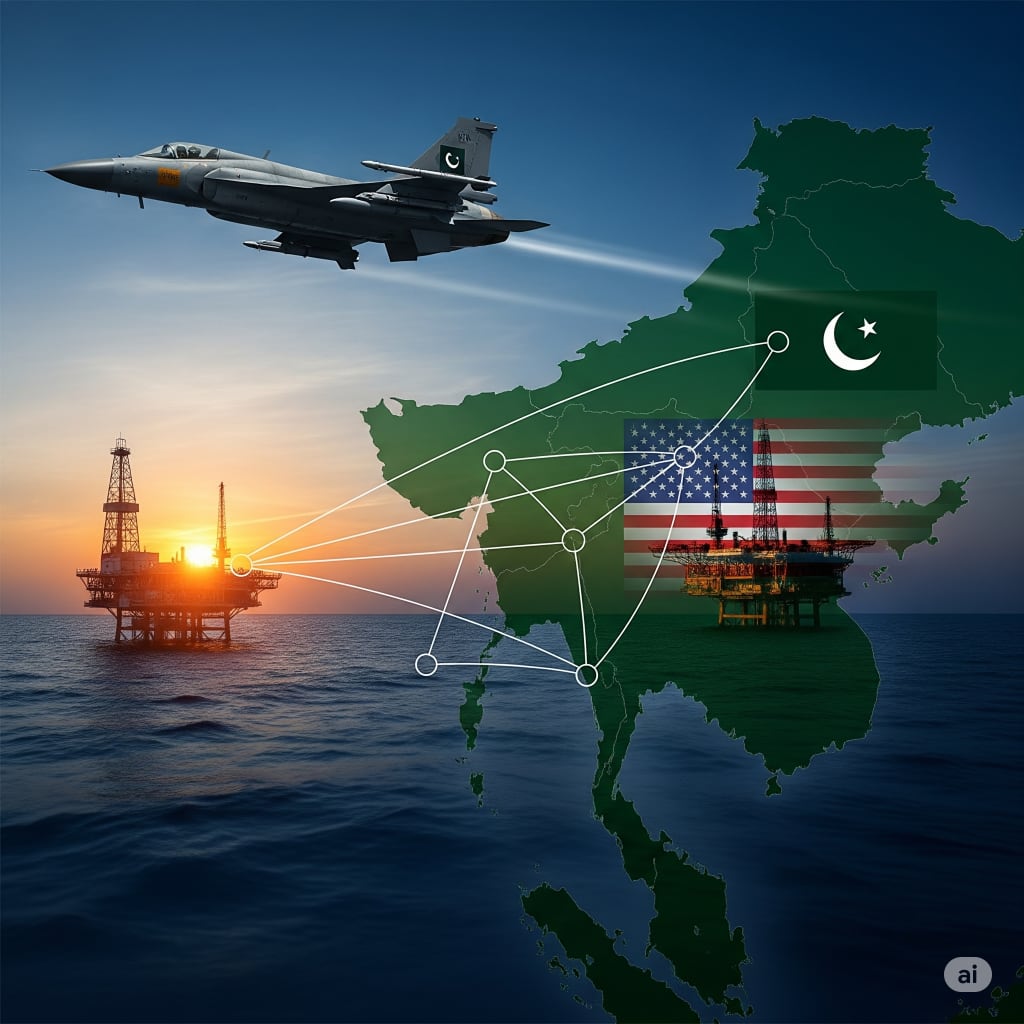
In recent years, subtle yet striking signals from Washington have shown a surprising tilt in American interest toward Pakistan. While India has long been a U.S. strategic ally, recent developments suggest that America is looking at Pakistan not just with fresh eyes—but possibly with renewed ambition.
This isn’t about sympathy. It’s about energy, defense, and regional recalibration.
🇵🇰 The Oil Tweet That Raised Eyebrows
In the middle of political storms and economic dramas, one of Donald Trump’s tweets from his presidency caught the attention of geopolitical analysts around the world. He hinted at untapped underwater energy reserves near Pakistan’s maritime borders—a revelation that wasn’t just a random guess.
Trump’s tweet wasn’t officially followed up with policy, but it aligned with independent geological surveys and energy speculations suggesting that the Arabian Sea region may contain vast oil and gas reserves. And where there’s oil, there’s global attention—especially from energy-hungry powers like the U.S.
If proven, these resources could transform Pakistan’s economic future. And for Washington, tapping into such reserves could counter China’s growing footprint in the region and reduce energy dependency on Middle Eastern volatility.
✈️ Pakistan vs. India: The Dogfight That Won Respect
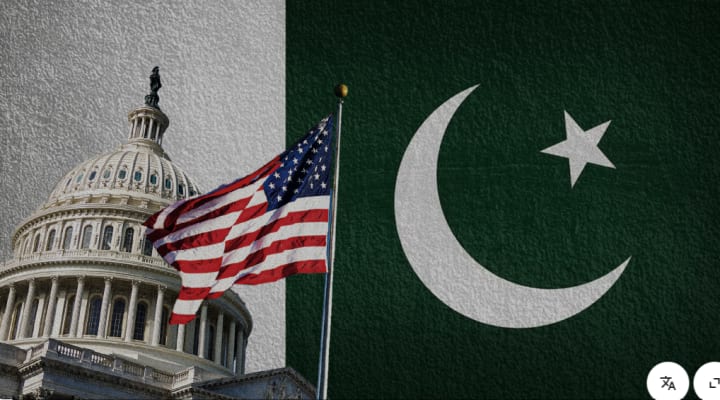
Another moment that unexpectedly shifted perception was the 2019 aerial dogfight between India and Pakistan, following the Pulwama attack. In the aftermath, Pakistan Air Force claimed to have shot down two Indian fighter jets, with one Indian pilot captured and later released as a peace gesture.
While Indian media framed it differently, several Western defense analysts, including those from the U.S., praised Pakistan's response as "disciplined" and "tactically effective." Even the U.S. Department of State’s language was unusually balanced, urging restraint but acknowledging Pakistan’s right to self-defense.
This was a rare diplomatic moment. For decades, Washington’s narrative leaned visibly toward New Delhi. But in this case, many viewed America’s words as a silent nod of approval toward Islamabad’s military professionalism.
🌍 Strategic Geography: Pakistan’s Golden Ticket
Beyond military and mineral interest, Pakistan holds a key geographic position—sitting between China, the Middle East, and Central Asia. As America recalibrates its global strategies post-Afghanistan, Pakistan’s location makes it essential for monitoring Chinese influence, engaging in Central Asian diplomacy, and even managing Iran-related tensions.
Plus, the China-Pakistan Economic Corridor (CPEC)—a multi-billion dollar project under China’s Belt and Road Initiative—has made Pakistan a highway of economic activity. That alone makes it impossible for Washington to ignore Islamabad.
💬 Criticism of India, or a Change in Tone?
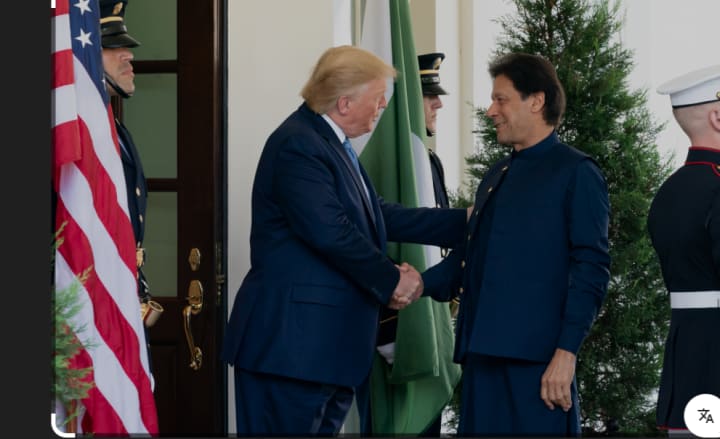
India’s recent democratic backsliding, controversial media censorship, and human rights issues in Kashmir have all triggered criticism from American lawmakers and civil rights groups. For the first time in decades, India is facing more scrutiny than admiration from some corners of Capitol Hill.
Meanwhile, Pakistan is showing signs of political resilience, media evolution, and a growing tech-savvy youth population. In a world driven by narratives, America may be seeing a new opportunity in Pakistan’s rising democratic and economic potential.
🔍 Conclusion: Watch This Space—The Winds Are Changing
While it’s too early to claim a full diplomatic shift, the signals are there. From Trump’s cryptic energy hints to public praise of Pakistan’s air force and subtle critiques of India, one thing is clear: America is paying attention to Pakistan again—seriously.
For Pakistan, this is both an opportunity and a challenge. A new friendship comes with expectations. But with careful diplomacy, internal reform, and strategic use of its assets—Pakistan could re-enter the global stage not as a dependent ally, but as a respected partner.
About the Creator
Leah Brooke
Just a curious storyteller with a love for humor, emotion, and the everyday chaos of life. Writing one awkward moment at a time
Keep reading
More stories from Leah Brooke and writers in The Swamp and other communities.
SCO Summit 2025:How the SCO Challenges U.S. Dominance
The world may have just witnessed a turning point in international politics. The recent Shanghai Cooperation Organization (SCO) summit held in China has not only brought global attention but has also raised questions about the existing world order. For decades, the United States has enjoyed the role of a unilateral superpower—a kingdom of America, so to speak. But with China’s Xi Jinping, Russia’s Vladimir Putin, and India’s Narendra Modi sharing the same frame, the Western world is beginning to feel the tremors of change.
By Leah Brooke5 months ago in The Swamp
Ceremony to Accredit Iran’s Irish Ambassador Postponed Amid Violent Crackdown in Tehran
In a rare diplomatic move, Ireland has postponed the official accreditation ceremony for Iran’s new ambassador amid growing international concern over the violent crackdown on protests in Iran that has resulted in widespread casualties and a communications blackout. The decision reflects rising global pressure on Tehran over its handling of dissent and highlights how national human rights issues can affect international diplomatic engagement. �
By Fiaz Ahmed Brohi5 days ago in The Swamp


Comments
There are no comments for this story
Be the first to respond and start the conversation.