
What to Know About China and Japan’s Escalating Spat Over Taiwan
Rising tensions, regional security concerns, and why the dispute matters beyond East Asia
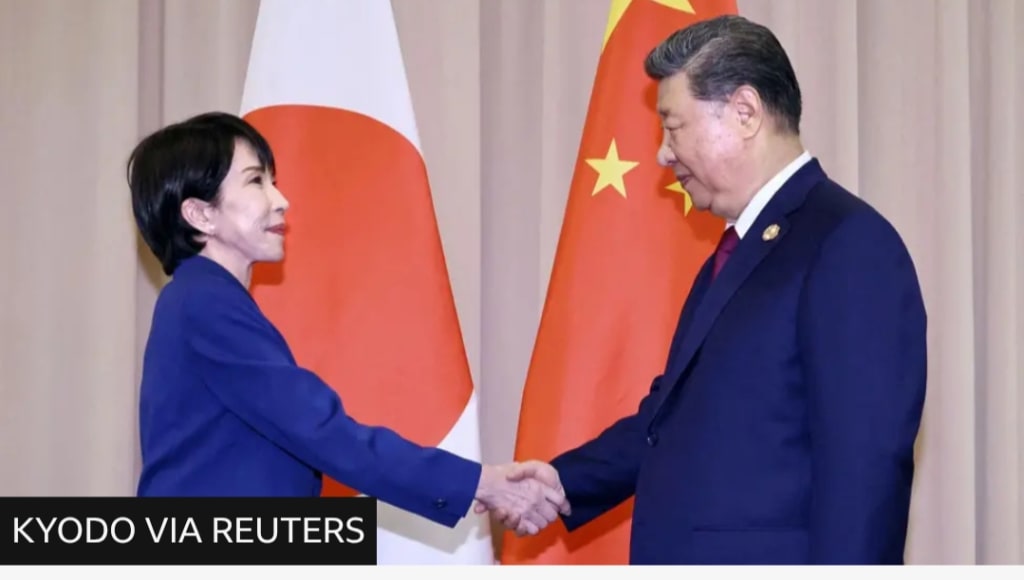
Tensions between China and Japan have intensified in recent months, with Taiwan once again at the center of a growing geopolitical dispute. While Taiwan has long been a sensitive issue in East Asia, recent statements, military activities, and diplomatic exchanges have sharpened rhetoric and raised concerns about regional stability.
Understanding this escalating spat requires looking beyond headlines to the historical context, strategic interests, and the broader implications for Asia—and the world.
Why Taiwan Is So Sensitive
At the heart of the dispute lies Taiwan’s political status. China considers Taiwan a breakaway province and insists it must eventually be reunified with the mainland, by force if necessary. Taiwan, however, operates as a self-governing democracy with its own government, military, and foreign relations.
For Beijing, Taiwan is a core national interest tied to sovereignty and national identity. Any foreign involvement or suggestion of support for Taiwanese independence is seen as crossing a red line.
Japan, while not formally recognizing Taiwan as a sovereign state, maintains close economic, cultural, and unofficial political ties with the island—ties that China views with suspicion.
Japan’s Growing Concern Over Security
Japan’s position on Taiwan has evolved noticeably in recent years. Japanese leaders increasingly describe peace and stability in the Taiwan Strait as directly linked to Japan’s own security.
Geography plays a key role. Taiwan lies close to Japan’s southern islands, and any military conflict there could threaten Japanese territory, shipping lanes, and economic interests. Japan depends heavily on maritime trade routes that pass near Taiwan, making stability in the area a strategic necessity.
As a result, Japanese officials have become more vocal in warning against unilateral changes to the status quo—language that Beijing interprets as interference.
China’s Response and Rising Rhetoric
China has responded sharply to Japan’s statements and actions. Chinese officials accuse Tokyo of reviving militarism, meddling in internal Chinese affairs, and aligning too closely with US-led security strategies in the region.
Beijing has also increased military activity near Taiwan, including air and naval exercises, which it says are legitimate responses to foreign provocation. Chinese state media frequently criticize Japan for abandoning its post-war pacifist stance.
This rhetorical escalation reflects broader Chinese concerns about encirclement and containment by US allies, with Japan seen as a key player in that strategy.
The US Factor in the Dispute
Although the spat is between China and Japan, the United States looms large in the background. Japan is a key US ally, and Washington has repeatedly emphasized the importance of peace in the Taiwan Strait.
Joint military exercises, security agreements, and statements from US and Japanese leaders have reinforced Beijing’s belief that Taiwan is becoming part of a broader strategic competition. China views these developments as evidence that Japan is no longer acting independently but as part of a coordinated front.
This dynamic complicates diplomacy, as actions by one actor can quickly trigger reactions from others.
Military Posturing and Regional Anxiety
Military signaling has become a prominent feature of the dispute. China has conducted frequent drills near Taiwan, while Japan has expanded defense spending, enhanced missile capabilities, and strengthened cooperation with allies.
While none of the parties appear eager for open conflict, the risk of miscalculation has increased. Close encounters between aircraft and naval vessels raise the possibility of accidents that could spiral into a larger crisis.
Regional neighbors are watching closely, concerned that tensions between major powers could destabilize East Asia and disrupt global supply chains.
Economic and Diplomatic Stakes
Despite political tensions, China and Japan remain deeply economically intertwined. China is one of Japan’s largest trading partners, and Japanese companies have significant investments in the Chinese market.
This economic interdependence acts as a stabilizing factor, but it also adds pressure. Escalating disputes over Taiwan could lead to economic retaliation, supply chain disruptions, or diplomatic freezes—outcomes neither side openly desires.
Diplomatically, Japan faces a balancing act: standing firm on security concerns while avoiding actions that could irreparably damage relations with Beijing.
Taiwan’s Position Amid the Tensions
Taiwan itself has responded cautiously to the China-Japan spat. Taiwanese leaders emphasize the importance of international support while avoiding rhetoric that could provoke further escalation.
For Taiwan, growing attention from Japan and other regional actors is both reassuring and risky. Support strengthens deterrence, but it also increases pressure from Beijing, which views any foreign engagement as encouragement of separatism.
Why This Matters Globally
The dispute between China and Japan over Taiwan is not just a regional issue. Taiwan plays a crucial role in global technology supply chains, particularly semiconductor production. Any conflict could have far-reaching economic consequences.
Moreover, how this dispute is managed will shape norms around sovereignty, deterrence, and crisis management in an era of great-power competition. Allies, investors, and policymakers worldwide are paying close attention.
What to Watch Next
Several factors will determine whether tensions ease or intensify:
Diplomatic engagement between Beijing and Tokyo
The scale and frequency of military exercises
Signals from Washington and regional partners
Domestic political developments in all three societies
While outright conflict remains unlikely in the near term, the situation remains volatile.
Conclusion
China and Japan’s escalating spat over Taiwan reflects deeper shifts in regional power, security perceptions, and global politics. Taiwan’s strategic importance ensures it will remain a flashpoint, even as all sides seek to avoid open confrontation.
For now, the challenge lies in managing competition without crossing into conflict—a delicate balancing act with implications far beyond East Asia.
About the Creator
Keep reading
More stories from Aarif Lashari and writers in The Swamp and other communities.
Police Identify First Four Victims of Swiss Ski Resort Fire
Swiss police have identified the first four victims of the devastating fire that tore through a popular ski resort in Crans-Montana, deepening national mourning and bringing a painful sense of reality to a tragedy that has shocked the country and the international tourism community.
By Aarif Lashari16 days ago in The Swamp
China Pulls the Plug on Russian Electricity Imports: What It Means for Energy, Economics, and Geopolitics
China pulls the plug on Russian electricity imports, a move that has drawn global attention and raised important questions about the future of regional energy cooperation. As two countries often described as strategic partners, any shift in energy trade between China and Russia carries significant economic and geopolitical implications. This decision is not just about power supply. It reflects deeper trends in energy security, domestic priorities, and the changing balance of global influence.
By Salaar Jamali2 days ago in The Swamp


Comments
There are no comments for this story
Be the first to respond and start the conversation.