
Valencia Leader Resigns Over Handling of Deadly Floods
Political Accountability Tested as Spain Grapples with the Aftermath of a Tragic Natural Disaster

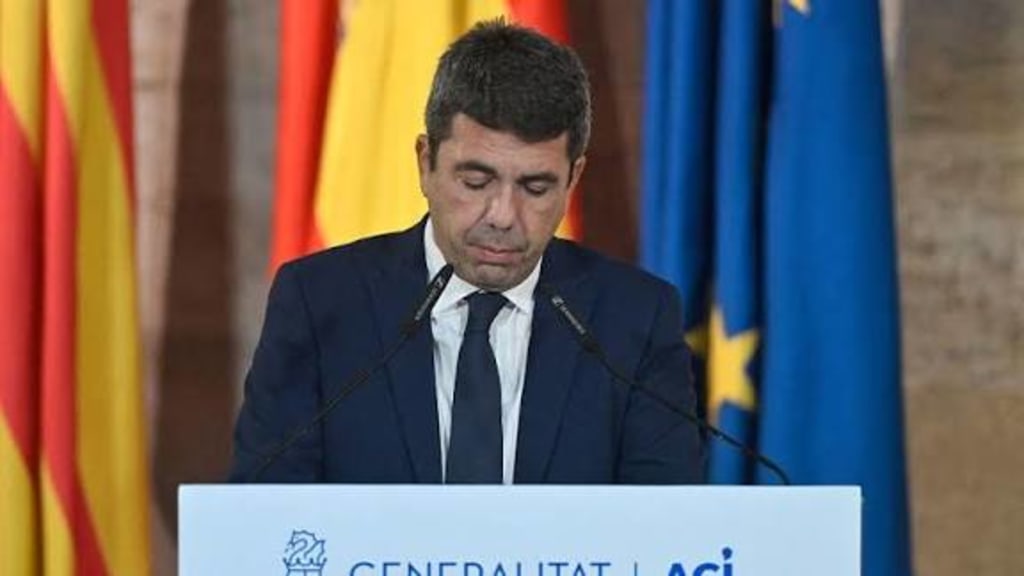
In the wake of one of the deadliest floods in Spain’s recent history, the regional leader of Valencia has announced his resignation, marking a significant moment of political accountability and public reckoning. The floods, which swept through several towns and cities in the Valencian Community, left dozens dead, hundreds displaced, and caused millions of euros in damage. The leader’s departure has ignited a broader debate about crisis management, environmental planning, and the responsibilities of elected officials in the face of natural disasters.
A Region in Crisis
The floods began after days of relentless rain battered the eastern coast of Spain. Rivers overflowed, roads were washed away, and entire neighborhoods were submerged under rising waters. Emergency services worked around the clock, rescuing trapped families and delivering food and water to isolated areas. Despite these efforts, the disaster exposed serious weaknesses in the region’s preparedness.
Residents reported a lack of early warning systems, slow evacuation responses, and insufficient coordination between local and national authorities. These failures fueled anger and frustration among survivors, many of whom had lost their homes, businesses, or loved ones. In the aftermath, questions began to mount over whether the devastation could have been mitigated with better planning and leadership.
Mounting Pressure and Political Fallout
Facing growing public criticism, the Valencian leader—who had been in office for nearly five years—announced his resignation during a press conference at the regional parliament. “As the head of this government, I accept full responsibility for the shortcomings in our response,” he said, his voice heavy with emotion. “The people of Valencia deserve leadership that restores trust and ensures that such a tragedy never happens again.”
Opposition parties were quick to demand further investigations. Some accused the administration of ignoring prior warnings from meteorological experts about the risk of extreme flooding. Environmental groups pointed to decades of urban development in flood-prone zones as a major factor in worsening the disaster’s impact.
While the leader’s resignation has been praised by some as a rare act of accountability, others view it as a political maneuver to defuse public outrage ahead of upcoming elections. Regardless of motive, the event has sparked a wider national conversation about climate resilience and government transparency.
Climate Change and Infrastructure Challenges
Experts say the floods in Valencia are another stark reminder of how climate change is increasing the frequency and severity of extreme weather events. Spain, like much of southern Europe, has seen a rise in both droughts and flash floods in recent years. The alternating cycles of extreme dryness and intense rainfall have made managing water resources more difficult than ever before.
Urban planners and environmental scientists have long warned that many Spanish cities, including Valencia, are not adequately equipped to handle this new climate reality. Poor drainage systems, overbuilt coastal areas, and the destruction of natural wetlands have all contributed to worsening flood risks. Without a major shift toward sustainable urban planning, experts caution, disasters like this could become increasingly common.
Calls for Reform
In the wake of the tragedy, Spain’s central government has pledged to review the country’s emergency response framework and allocate new funding for flood prevention projects. The goal is to improve coordination between regional and national agencies and invest in infrastructure upgrades such as flood barriers, improved drainage, and smarter early warning systems.
Environmental organizations are also urging leaders to focus on restoring natural ecosystems—like wetlands and riverbanks—which can absorb floodwaters more effectively than concrete infrastructure. “Nature is our best defense,” said one climate advocate in an interview. “If we continue to build over our natural buffers, no amount of technology will save us.”
A Moment for Reflection
For the people of Valencia, the road to recovery will be long. Many families remain displaced, living in temporary shelters while they wait for rebuilding efforts to begin. The government has promised financial aid, but with public trust shaken, many residents are demanding more than compensation—they want assurance that the same mistakes will not be repeated.
The resignation of Valencia’s leader may serve as a turning point. It highlights the urgent need for governments worldwide to adapt their policies to the changing climate and to prioritize the safety of their citizens over political interests. While the floodwaters may recede, the lessons from this disaster must not be washed away.
About the Creator
Fiaz Ahmed
I am Fiaz Ahmed. I am a passionate writer. I love covering trending topics and breaking news. With a sharp eye for what’s happening around the world, and crafts timely and engaging stories that keep readers informed and updated.
Keep reading
More stories from Fiaz Ahmed and writers in The Swamp and other communities.
Israel Confirms Hamas Returned Bodies of Three Soldiers Held Hostage
Israel has confirmed that Hamas has returned the bodies of three Israeli soldiers who had been held in Gaza since the recent escalation of conflict. The announcement, made by the Israeli Defense Forces (IDF) late Monday, marks a heartbreaking moment in an already devastating war that has left deep scars on both sides. While the return brings closure to the soldiers’ families, it also underscores the ongoing humanitarian and political crises in the region.
By Fiaz Ahmed 3 months ago in The Swamp




Comments
There are no comments for this story
Be the first to respond and start the conversation.