
Israel Confirms Hamas Returned Bodies of Three Soldiers Held Hostage
A Somber Development in the Ongoing Gaza Conflict Rekindles Calls for Peace and Accountability

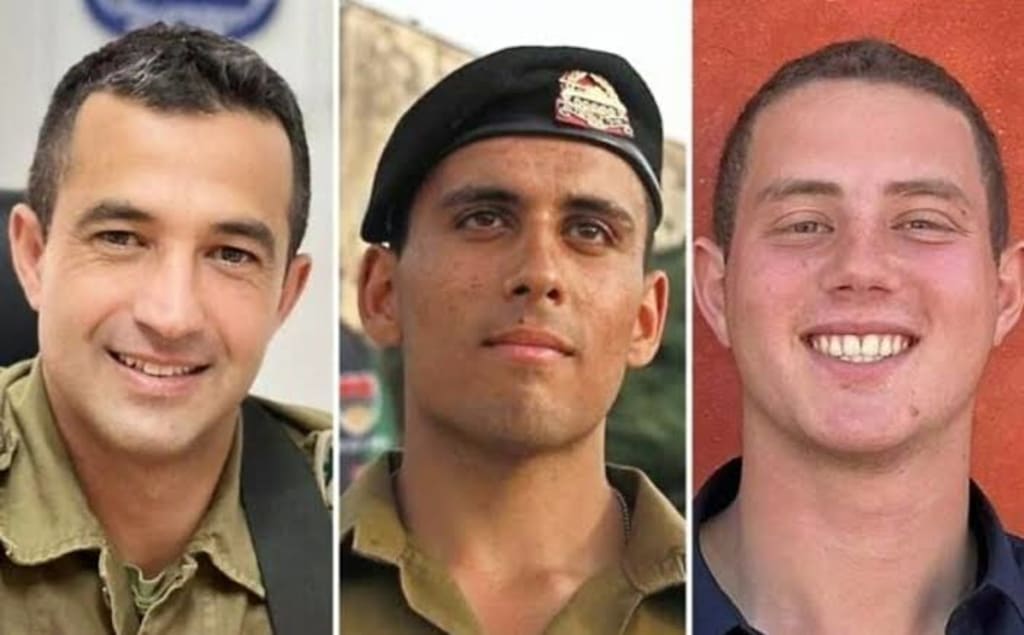
Israel has confirmed that Hamas has returned the bodies of three Israeli soldiers who had been held in Gaza since the recent escalation of conflict. The announcement, made by the Israeli Defense Forces (IDF) late Monday, marks a heartbreaking moment in an already devastating war that has left deep scars on both sides. While the return brings closure to the soldiers’ families, it also underscores the ongoing humanitarian and political crises in the region.
A Painful Discovery
According to official reports, the soldiers were identified through DNA testing after their remains were transferred to Israel via mediators. The government has not disclosed the exact circumstances of their deaths, though sources within the IDF indicated that they were likely killed during intense ground operations in northern Gaza several weeks ago.
Prime Minister Benjamin Netanyahu expressed condolences to the families, calling the soldiers “heroes who gave their lives defending the State of Israel.” He also vowed to continue efforts to bring home all remaining hostages—both living and deceased—held by Hamas and other militant groups in Gaza.
For many Israelis, the news reopened painful wounds from months of fighting and uncertainty. Families of missing soldiers and civilians have been holding regular vigils, pleading for more information about their loved ones. “At least now we know,” said one grieving mother during a televised interview. “But knowing doesn’t stop the pain. We just want this nightmare to end.”
The Hostage Crisis and Its Toll
Since the beginning of the latest conflict, hundreds of individuals—soldiers and civilians alike—have been captured or reported missing. Some have been confirmed dead, while others remain unaccounted for. Efforts to secure the release of living hostages have involved complex negotiations mediated by Egypt and Qatar, but progress has been slow.
Humanitarian groups have repeatedly condemned the use of hostages in warfare, describing it as a violation of international law. The International Committee of the Red Cross (ICRC) has called for full transparency and access to all detainees, but neither side has provided detailed lists or consistent updates.
The return of the three soldiers’ bodies is seen by analysts as a possible signal that indirect communications between Israel and Hamas may still be active, despite public hostility. However, it also reflects the grim reality that both sides remain entrenched, with little sign of a lasting ceasefire.
Rising Tensions in the Region
The confirmation comes amid renewed clashes along the Israel-Gaza border. Airstrikes, artillery exchanges, and drone attacks have intensified in recent days, despite international pressure to de-escalate. Israel maintains that its military operations target Hamas strongholds, while Palestinian officials report that civilian casualties continue to mount.
The violence has drawn condemnation and concern from global leaders. The United Nations Secretary-General called the situation “a humanitarian catastrophe that must not be allowed to spiral further.” Meanwhile, U.S. and European officials continue to urge both parties to resume peace talks and agree to temporary humanitarian pauses.
In Israel, the discovery of the soldiers’ bodies has deepened divisions within the political landscape. Opposition leaders have accused the government of failing to protect soldiers adequately and criticized what they describe as a lack of coherent long-term strategy for Gaza. Supporters of the government, however, argue that the fight against Hamas must continue until the group’s military capabilities are destroyed.
The Human Side of the Conflict
Beyond the politics and military maneuvers, the tragedy highlights the immense human suffering endured by families on both sides of the border. In Israel, funerals for fallen soldiers have become somber national events, drawing thousands of mourners. In Gaza, civilians face ongoing bombardments, displacement, and shortages of food, medicine, and clean water.
International aid agencies continue to struggle to deliver relief to affected areas due to damaged infrastructure and security concerns. The United Nations Relief and Works Agency (UNRWA) has called for more safe corridors to allow humanitarian supplies into Gaza, where hospitals and shelters are overwhelmed.
A spokesperson for Israel’s Ministry of Defense acknowledged the emotional impact of the recent recovery, saying, “Every soldier is a son, a brother, a friend. Bringing them home—alive or fallen—is a sacred duty.” The statement resonated deeply with many Israelis, who view military service as both an honor and a heavy burden.
A Call for Reflection and Resolution
The return of the soldiers’ bodies is a moment of mourning, but also one of reflection. As the conflict stretches on, many are questioning whether endless cycles of retaliation can ever bring true security or peace. Religious leaders, peace activists, and citizens across the region are calling for dialogue and reconciliation, despite the deep mistrust that has defined Israeli-Palestinian relations for decades.
Experts warn that without meaningful progress toward peace, future generations risk inheriting only more grief and division. “This war has taken too many lives,” said one Israeli analyst. “Every death, every hostage, every bomb only deepens the wound. We must find a way out of this.”
For now, the families of the three fallen soldiers can begin the painful process of saying goodbye. Their return—though tragic—reminds the world that behind every headline are human stories of courage, loss, and longing for peace.
---
About the Creator
Fiaz Ahmed
I am Fiaz Ahmed. I am a passionate writer. I love covering trending topics and breaking news. With a sharp eye for what’s happening around the world, and crafts timely and engaging stories that keep readers informed and updated.
Keep reading
More stories from Fiaz Ahmed and writers in The Swamp and other communities.
Israeli Military’s Ex-Top Lawyer Arrested as Video-Leak Scandal Deepens
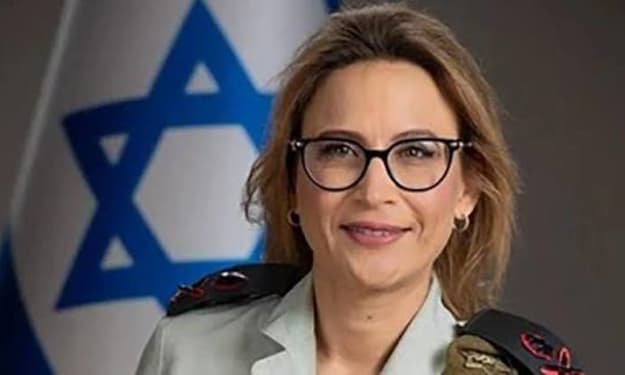
A Legal Storm Over Leaked Footage Raises Questions of Accountability and Power In a major development, the former top legal officer of the Israel Defense Forces (IDF) has been arrested as a video-leak scandal drags on, causing outrage in Israel and abroad. Yifat Tomer‑Yerushalmi — once the IDF’s Military Advocate General and among the highest-ranking lawyers in the armed forces — has found herself at the centre of a controversy that involves leaked footage, allegations of misconduct, and a deepening crisis of trust in the military and legal system.
By Fiaz Ahmed 3 months ago in The Swamp
An Isolated Iran Finds China’s Friendship Has Limits
When strategic alliances are tested amid sanctions, unrest, and shifting global priorities For decades, Iran has positioned itself as a key geopolitical player in West Asia, often standing at odds with the United States and Western powers. Over that time, China has emerged as Tehran’s most important ally — economically, diplomatically, and rhetorically. Yet, as Iran faces widespread protests, economic collapse, and mounting external pressure, its relationship with Beijing is revealing cracks. What Iran once saw as a dependable lifeline is increasingly perceived as limited and transactional, with Beijing’s restraint reshaping Tehran’s strategic calculus. �
By Fiaz Ahmed Brohi4 days ago in The Swamp


Comments
There are no comments for this story
Be the first to respond and start the conversation.