
US Supreme Court Appears Likely to Uphold Restrictions on Transgender Athletes
Introduction: A Pivotal Moment for Sports and Rights
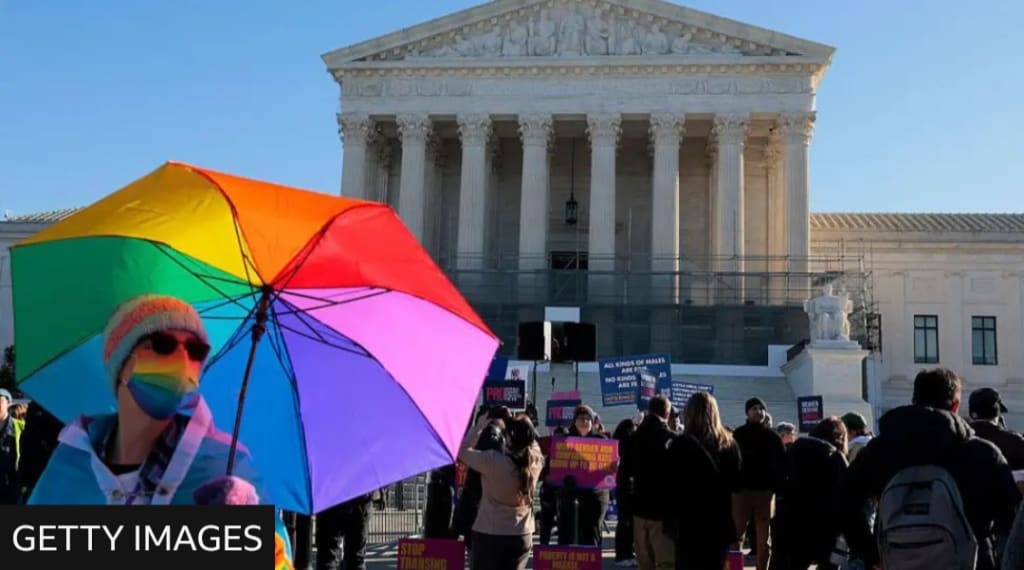
The US Supreme Court is poised to make a landmark decision that could reshape the landscape of youth and collegiate sports across the country. Reports indicate that the Court appears likely to uphold restrictions on transgender athletes, a move that would reinforce state-level bans preventing transgender girls and women from competing in sports aligned with their gender identity.
For advocates, the decision represents a potential setback for inclusion and equality. For supporters of the restrictions, it is a victory for what they describe as “fairness in women’s sports.” Either way, the ruling will have profound implications for thousands of athletes, families, schools, and athletic organizations nationwide.
Background: State-Level Restrictions
Over the past several years, multiple states have enacted laws restricting transgender athletes from competing on sports teams that match their gender identity. These laws primarily target trans girls and women, citing concerns about competitive advantages, particularly in high school athletics.
Supporters argue that allowing transgender girls to compete in women’s sports undermines fairness, claiming differences in strength, speed, and endurance could create an uneven playing field. Opponents counter that these claims are often based on oversimplified interpretations of science and ignore the social and psychological benefits of sports participation for all youth.
Legal Journey to the Supreme Court
The restrictions have faced legal challenges since their inception, with advocates claiming they violate Title IX, which prohibits sex-based discrimination in federally funded education programs, and the Equal Protection Clause of the Constitution. Lower courts have delivered mixed rulings, sometimes blocking enforcement temporarily, while other cases allowed them to stand.
The Supreme Court’s involvement signals the national significance of the issue. The Court’s decision will not only resolve disputes in individual states but also set precedent for how gender, identity, and equality are treated under US law.
What’s at Stake for Transgender Athletes
For transgender athletes, sports are about more than competition—they are a space for self-expression, confidence-building, and community. Studies consistently show that participation in athletics improves mental health, academic performance, and social development, benefits that are magnified for LGBTQ+ youth.
Restrictions on participation can lead to exclusion, isolation, and higher rates of depression and anxiety among transgender youth. Advocates argue that the emotional toll of being barred from teams can be profound, affecting not just athletic development but overall well-being.
Arguments for Upholding Restrictions
Proponents of state bans argue that biological differences justify limitations on participation in women’s sports. They claim that cisgender female athletes should have equitable opportunities in competitions, scholarships, and recognition.
Some legal experts note that the Supreme Court has historically given states broad authority to regulate school activities, suggesting that the restrictions could fall within that scope. The Court may prioritize the principle of state autonomy in education and athletics over individual claims of discrimination.
Arguments Against Restrictions
Opponents contend that such bans are inherently discriminatory, singling out transgender youth for exclusion while allowing other forms of physical diversity. They argue that science shows athletic performance is influenced by many factors—training, nutrition, experience—not just gender assigned at birth.
Civil rights organizations warn that a ruling upholding restrictions could embolden further anti-transgender legislation, affecting education, healthcare, and employment. They describe it as part of a broader pattern of legal challenges targeting the rights of LGBTQ+ individuals across the United States.
Public Reaction and Political Implications
The anticipated Supreme Court decision has already sparked debate nationwide. Advocates for transgender rights have mobilized social media campaigns, public statements, and legal briefs emphasizing equality and inclusion.
Conservative groups have framed the decision as a win for women’s sports, highlighting concerns about fairness and competitive integrity. Politicians from both sides are watching closely, as the ruling could influence future legislation and court cases.
The Broader Impact on Education and Athletics
A Supreme Court decision upholding restrictions would affect not just elite athletes but also high school and college sports programs. Schools may face legal pressure to comply, while athletic organizations may need to revise participation policies.
The ruling could also affect scholarship opportunities, team compositions, and funding decisions, particularly in women’s sports programs. For administrators, balancing compliance with federal law, equity, and student well-being will become increasingly challenging.
Mental Health and Social Considerations
Experts emphasize that sports exclusion can have serious psychological consequences. Transgender youth already face higher risks of bullying, discrimination, and mental health challenges. Denying them access to sports adds another layer of stress and social isolation.
Conversely, inclusion in athletics has been shown to improve self-esteem, reduce depression, and foster social cohesion. Advocates argue that courts and policymakers must consider these human impacts, not just abstract notions of fairness or biology.
What Could Happen Next
If the Supreme Court upholds state restrictions, legal challenges are likely to shift toward narrower federal protections, workplace inclusion, and higher education policies. Advocates may also focus on legislative solutions to protect transgender youth rights in sports.
If restrictions are struck down, it could reverse bans in several states and strengthen protections under Title IX. Either outcome will shape national conversations about gender, fairness, and equality for years to come.
Conclusion: A Decision That Resonates Beyond Sports
The Supreme Court’s impending decision on restrictions for transgender athletes is more than a legal matter; it is a defining moment in the struggle for equality, identity, and inclusion in America. Sports serve as a microcosm of society, reflecting broader debates about fairness, opportunity, and human dignity.
For transgender youth, the stakes are deeply personal: a ruling against them could mean exclusion and marginalization, while a ruling in their favor could affirm their right to compete, belong, and thrive.
As the Court deliberates, the nation watches closely, recognizing that the outcome will echo far beyond the playing field, influencing law, education, and social norms for generations of athletes to come.
About the Creator
Keep reading
More stories from Aarif Lashari and writers in The Swamp and other communities.
Bill and Hillary Clinton Refuse to Testify in House Epstein Investigation
Former US President Bill Clinton and former Secretary of State Hillary Clinton have refused to testify in a House investigation examining the handling of the Jeffrey Epstein case, a decision that has reignited political controversy and public scrutiny. The refusal has drawn sharp reactions from lawmakers, victims’ advocates, and political commentators, reopening long-standing questions about accountability, transparency, and elite power in one of the most disturbing criminal cases in recent US history.
By Aarif Lashari6 days ago in The Swamp
U.S. Officials Meet on Greenland as Congress Challenges Trump’s War Powers
The United States is facing a busy and tense moment in foreign policy. In the same week, top U.S. officials held an important meeting about Greenland, while Congress moved closer to a vote that could limit President Donald Trump’s power to use the military in Venezuela. These two events may seem unrelated, but together they show growing concern at home and abroad about how far U.S. power should go.
By sehzeen fatima5 days ago in The Swamp
Center Stage with Paul Stewart
*** I'm keen to republish the interviews I did for my series with Vocal creators. It's been a few years and I thought it might be nice to revisit these wonderful conversations. I'll be releasing them one at a time for a few weeks/months.
By Heather Hubler5 days ago in Interview




Comments
There are no comments for this story
Be the first to respond and start the conversation.