
US Set to Quit World Health Organization: What It Means for Global Health
“US withdrawal from WHO raises concerns over global pandemic preparedness, funding, and international cooperation”
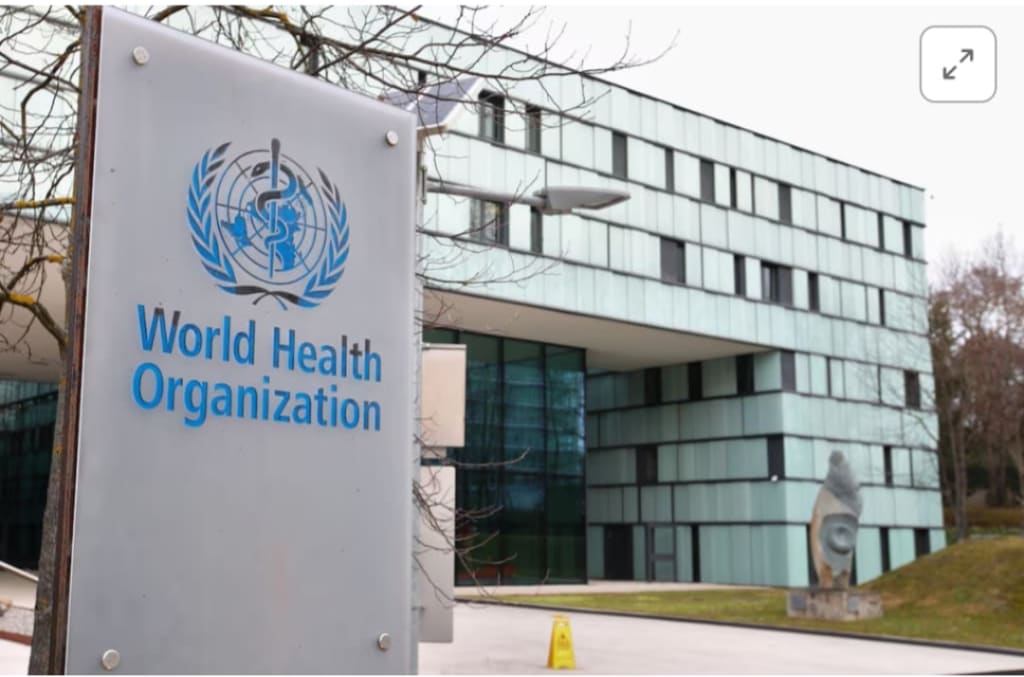
The United States has officially announced its intention to withdraw from the World Health Organization (WHO), a decision that has sent shockwaves through the global health community. The move, announced by government officials, is framed as a response to concerns over organizational efficiency, governance, and accountability. However, experts warn that the decision could have far-reaching consequences for global health initiatives, pandemic preparedness, and international cooperation.
Why the US Is Leaving the WHO
Officials cite several reasons for the withdrawal:
Perceived Mismanagement: Criticism over the WHO’s handling of global health emergencies, particularly the COVID-19 pandemic, has fueled concerns about efficiency and transparency.
Financial Accountability: The United States has historically been the largest contributor to WHO funding. Some policymakers argue that the money could be better spent on domestic health programs or bilateral aid.
Sovereignty Concerns: Critics assert that the WHO’s policies sometimes infringe on national decision-making, creating tension between international directives and domestic priorities.
While these reasons reflect ongoing debates in Washington, they have drawn intense scrutiny from global health leaders, public health experts, and allied governments.
Global Health Implications
The US withdrawal from the WHO could affect several areas of international health:
Pandemic Response: WHO plays a critical role in coordinating global responses to health crises, including pandemics, vaccine distribution, and outbreak monitoring. Losing US support may hamper rapid response capabilities.
Vaccine Development and Distribution: The United States has historically funded vaccine research and international immunization programs, including the COVAX initiative. Withdrawal could reduce resources for equitable vaccine distribution worldwide.
Disease Surveillance: WHO collects and disseminates vital health data across nations. Without US collaboration, data-sharing and early warning systems may weaken, potentially delaying detection of emerging health threats.
Research and Innovation: US support contributes to global health research and innovation, from infectious disease control to health system strengthening in low-income countries.
Experts warn that the absence of US funding and expertise could slow progress on global health priorities and increase the vulnerability of nations to epidemics and health emergencies.
Reactions from the Global Community
The announcement has sparked mixed reactions:
Supportive Views: Some policymakers argue that the US should prioritize domestic public health and bilateral partnerships, rather than relying on multilateral organizations.
Critics: Public health experts, WHO officials, and allied governments caution that global health is interconnected. Reducing US engagement could undermine both international and domestic health security.
Neutral Analysts: Emphasize that WHO continues to function with contributions from other countries, but the loss of US funding and influence is significant and may reduce the organization’s operational capacity.
The international response underscores the importance of the United States in shaping global health outcomes.
Financial and Strategic Consequences
The US contributes approximately $500 million annually to WHO programs, including funding for:
Disease outbreak management and emergency response.
Research on neglected tropical diseases and vaccine development.
Health system strengthening in developing nations.
Withdrawal may strain WHO’s budget, forcing the organization to rely more heavily on other nations or private donors. This could shift the balance of influence in global health policymaking, affecting decision-making and priority setting.
Strategically, some experts warn that the decision could encourage other countries to reconsider their commitments, potentially leading to fragmentation in the international health community.
Impact on Domestic Health Security
Although the move is framed as prioritizing national interests, public health specialists highlight potential domestic risks:
Cross-Border Health Threats: Infectious diseases do not respect borders. Reduced collaboration with WHO may limit early access to critical information on outbreaks.
Global Supply Chains: Coordination for medical supplies, vaccines, and essential medicines could be delayed or disrupted, impacting US preparedness.
Scientific Collaboration: US researchers may face reduced access to international data and studies, slowing innovation in epidemiology and public health interventions.
In essence, while the withdrawal is intended to reassert national control, it may inadvertently increase vulnerability to global health threats.
What’s Next for Global Health Cooperation
The WHO and member states are now exploring strategies to maintain continuity despite the US withdrawal:
Increased Funding from Other Countries: Nations such as Germany, the UK, and Japan may step up contributions to offset the financial gap.
Private Sector Partnerships: Foundations and NGOs may increase engagement to ensure critical programs continue.
Bilateral Health Agreements: The US could pursue direct partnerships with specific countries, bypassing multilateral channels.
Policy Reforms: The WHO may introduce structural reforms to address concerns raised by the US and other critics, potentially making the organization more efficient and transparent.
Despite these efforts, experts warn that global health initiatives will face challenges without consistent US engagement.
Conclusion
The United States’ decision to withdraw from the World Health Organization represents a major shift in global health governance. While the move is justified domestically as an effort to enhance national control, ensure accountability, and prioritize domestic health spending, it carries significant implications for pandemic preparedness, vaccine distribution, and international collaboration.
Global health experts emphasize that no nation can address health threats in isolation, and sustained cooperation is essential to prevent and manage crises. As the world responds to this unprecedented development, the future of global health will depend on how nations, organizations, and private actors navigate the challenges posed by reduced US participation.
Ultimately, the decision underscores a critical lesson: global health security is interconnected, and the actions of one major player can have ripple effects felt around the world.
About the Creator
Keep reading
More stories from Aarif Lashari and writers in The Swamp and other communities.
Siri Set to Become Apple’s First AI Chatbot in Late 2026
Apple is reportedly planning a major evolution of Siri, transforming its virtual assistant into the company’s first dedicated AI chatbot by late 2026. This ambitious move signals Apple’s commitment to competing with other AI-driven conversational platforms, such as ChatGPT, Google Bard, and Microsoft’s AI assistants, while redefining how users interact with their devices.
By Aarif Lashariabout 13 hours ago in The Swamp
It’s All About the Land”: Zelensky Says Ukraine to Talk to US and Russia
As the war in Ukraine stretches into another exhausting phase, President Volodymyr Zelensky has made a blunt and revealing statement: “It’s all about the land.” With these words, Zelensky signaled a shift toward pragmatic diplomacy as Ukraine prepares to engage in talks involving both the United States and Russia. His remark underscores the core issue driving the conflict—territory—and highlights the difficult choices that may shape Ukraine’s future.
By Fiaz Ahmed about 4 hours ago in The Swamp
Despite Greenland, France’s Macron and NATO’s Head Make Nice With Trump Behind the Scenes
Even as Greenland captured global attention for a brief moment of diplomatic tension, world leaders have quietly continued working behind the scenes to maintain important alliances. French President Emmanuel Macron and NATO Secretary-General have reportedly maintained cordial relations with former U.S. President Donald Trump, emphasizing stability and cooperation in transatlantic affairs. While public disputes made headlines, private diplomacy appears to tell a different story—one of pragmatism and continuity over personal disagreements. Greenland Controversy: A Brief Recap The Greenland standoff began when the United States expressed interest in purchasing the Arctic island, a strategic territory under Danish sovereignty. While the idea was quickly rejected, it sparked public and media outcry, casting a spotlight on the U.S. approach to foreign territories. In Europe, reactions were mixed. Leaders like Macron criticized the proposal publicly, emphasizing diplomacy and sovereignty. NATO allies, wary of disruptions to alliance cohesion, worked to downplay the tensions. Despite these high-profile disagreements, sources report that formal and informal channels of communication remained open, signaling that political strategy often diverges from public statements. Behind-the-Scenes Diplomacy According to multiple reports, both Macron and the NATO Secretary-General engaged in private discussions with Trump to ensure that broader cooperation on defense, security, and strategic priorities continued uninterrupted. Experts say these behind-the-scenes efforts are typical of international diplomacy, where public disagreements often mask ongoing collaboration. For NATO, maintaining unity is crucial, especially as the alliance navigates challenges from Russia, China, and shifting geopolitical dynamics. Macron’s private engagements with Trump reportedly focused on: Defense and military cooperation Coordination on NATO initiatives Economic and trade discussions Maintaining alignment on Arctic security issues While public remarks emphasized sovereignty and critique, private diplomacy sought to prevent long-term damage to strategic relationships. Why Leaders Maintain Dialogue Despite Tensions Political analysts point out that high-level diplomacy requires balancing domestic political messaging with long-term international relationships. For Macron, taking a strong public stance on Greenland resonated with constituents and European audiences, while private discussions ensured that strategic ties with the U.S. remained intact. Similarly, NATO leaders must manage alliance cohesion. Public criticism of Trump or the U.S. could undermine member confidence, but quiet diplomacy allows coordination on shared priorities without escalating media narratives. This dual approach reflects the complexity of modern international relations, where leaders navigate public perception and private negotiation simultaneously. The Role of NATO in Maintaining Stability The North Atlantic Treaty Organization (NATO) is tasked with ensuring collective defense and strategic coordination among member states. Tensions over Greenland had the potential to strain these commitments, especially in Arctic operations, which involve both military presence and resource monitoring. By engaging Trump privately, NATO leadership aimed to avoid public friction turning into operational challenges. For instance, joint exercises, intelligence sharing, and defense planning all rely on trust and cooperation between leaders, even when media coverage highlights disagreements. Macron’s Balancing Act French President Emmanuel Macron’s handling of the situation illustrates a key principle of diplomacy: the ability to project firmness publicly while remaining flexible privately. In public, Macron criticized the idea of U.S. acquisition of Greenland, asserting European and Danish sovereignty. Behind closed doors, however, he engaged in discussions with Trump to: Reassure him about France’s commitment to transatlantic defense Coordinate on global security threats Preserve trade and military partnerships This approach allows Macron to maintain domestic credibility while preventing disruptions in critical international relationships. Trump’s Perspective From the U.S. side, Trump’s Arctic interest was viewed as part of a broader strategic approach to global influence and resource access. While the purchase proposal drew public ridicule and skepticism, officials note that Trump continued to prioritize defense and trade partnerships in private interactions with European allies. By engaging with NATO leadership and Macron behind the scenes, Trump ensured that alliances remained functional, even if public statements appeared confrontational or sensationalized. Lessons for International Relations The Greenland episode underscores a fundamental truth in global politics: public disagreements often coexist with private cooperation. Analysts note several lessons: Diplomacy is multi-layered: Media coverage reflects only part of the story. Leaders often negotiate quietly to prevent disputes from harming long-term goals. Public posturing does not equal rupture: Political leaders may need to signal strength or assert sovereignty domestically while maintaining dialogue internationally. Alliance management requires patience and discretion: NATO and EU leaders balance member interests, ensuring operational stability even amid sensational headlines. These lessons reinforce the importance of understanding diplomacy beyond surface-level narratives. Looking Forward While Greenland may have faded from global headlines, the implications for U.S.-European relations continue. Leaders remain engaged, negotiating behind closed doors to: Address Arctic security and climate concerns Coordinate military and intelligence efforts Manage trade and strategic alliances Observers note that the episode highlights how personal and national politics intersect with long-term international strategy, and why alliances like NATO continue to function despite occasional public disagreements. Conclusion The Greenland standoff offered a rare glimpse into potential tensions between the U.S., European leaders, and NATO. Yet behind the headlines, diplomacy has persisted. Macron and NATO leadership’s continued engagement with Trump demonstrates the careful balance between public messaging and private negotiation. In an era dominated by media narratives and viral headlines, the Greenland example serves as a reminder: international relations are rarely simple. Leaders must navigate complex intersections of domestic politics, alliance obligations, and strategic interests—all while maintaining channels of communication that prevent temporary disputes from becoming permanent fractures. In this delicate balance, the art of diplomacy often proves more powerful than public posturing. Greenland may have made the news, but the real story lies in the quiet rooms where leaders keep alliances alive and strategy intact.
By Muhammad Hassan2 days ago in The Swamp


Comments
There are no comments for this story
Be the first to respond and start the conversation.