
US Intelligence Agencies Disagree With Trump’s Opposition to Chagos Deal, Says Starmer
A growing rift between politics and security strategy highlights deeper challenges in global diplomacy.

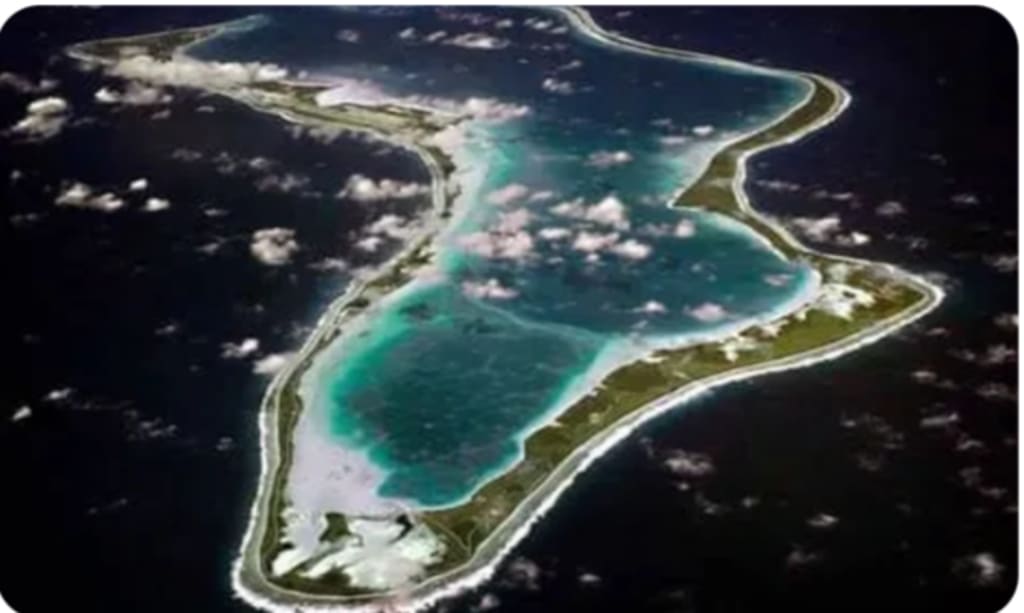
The Chagos Islands have once again found themselves at the center of international controversy—this time involving conflicting voices from within the United States itself. According to UK Prime Minister Keir Starmer, American intelligence agencies continue to support the UK’s sovereignty deal over the Chagos archipelago, despite outspoken opposition from former US President Donald Trump.
This disagreement exposes a fascinating divide between political rhetoric and strategic security assessments, raising questions about transatlantic unity, international law, and the future of one of the world’s most critical military bases.
Understanding the Chagos Deal
The Chagos Islands, located in the Indian Ocean, have long been disputed territory between the United Kingdom and Mauritius. The most significant island, Diego Garcia, hosts a joint US-UK military base that plays a vital role in surveillance and military operations across the Middle East and Indo-Pacific regions.
In 2024, the UK agreed to transfer sovereignty of the islands to Mauritius following decades of international legal pressure, including rulings from the International Court of Justice that questioned Britain’s continued control. Under the agreement, the UK would lease Diego Garcia back for long-term military use—reportedly for up to 99 years—ensuring that strategic operations could continue uninterrupted.
Supporters of the deal argue it balances legal responsibility with security needs. Critics, however, fear it weakens Western influence in a region increasingly contested by China and other global powers.
Trump’s Opposition Sparks Controversy
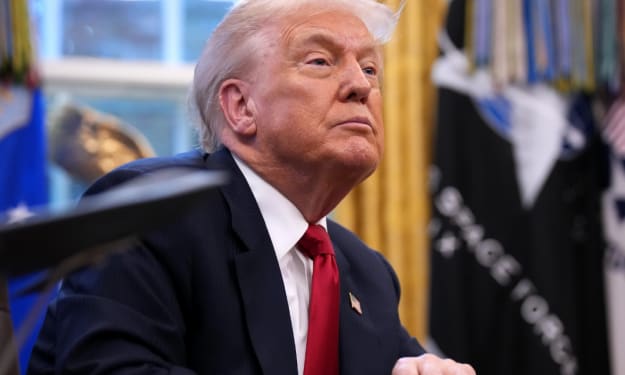
Donald Trump has strongly criticized the agreement, calling it “stupid” and accusing the UK of making a strategic mistake. His remarks surprised many, particularly because US officials had earlier signaled support for the deal.
Trump went further by linking the Chagos decision to broader claims about Western weakness, even tying it to his interest in acquiring Greenland for US security purposes. His comments triggered political backlash in both Washington and London, with some British Conservatives echoing his concerns and calling for the agreement to be reconsidered.
This sudden change of tone from a former US president has complicated diplomatic efforts and fueled uncertainty around the future of the agreement.
Starmer Pushes Back With Intelligence Support
Prime Minister Keir Starmer has firmly rejected Trump’s criticism, stating that US intelligence agencies continue to back the Chagos deal after reviewing its security implications. Speaking during a diplomatic trip to China, Starmer emphasized that Washington’s defense and intelligence institutions found the agreement compatible with long-term strategic interests.
Starmer’s position suggests that while political figures may differ, professionals within the intelligence community view the deal as stable and secure. This divide highlights an ongoing tension between populist political messaging and expert-led national security assessments.
Why This Disagreement Matters
The dispute is more than a political spat—it reflects deeper issues that could shape future global relations.
1. National Security
Diego Garcia is a cornerstone of Western military infrastructure. It supports intelligence gathering, aerial refueling, and regional operations. Any uncertainty around its status could affect NATO readiness and the balance of power in the Indo-Pacific.
2. International Law vs. Strategic Power
The UK’s decision to return sovereignty was driven largely by international legal obligations. However, critics argue that legal compliance may conflict with geopolitical realities, especially in an era of heightened competition with China and Russia.
3. Transatlantic Relations
Disagreement between US political leadership and its intelligence agencies creates an unusual split. Traditionally, UK-US security policy is tightly coordinated. This fracture could weaken trust and cooperation if not carefully managed.
Political Fallout in the UK
Back home, the deal has triggered intense debate in Parliament. The House of Lords has delayed legislation to finalize the agreement, citing concerns over US opposition and national security risks. Some lawmakers fear the UK is acting too quickly without full reassurance from Washington.
Even within Starmer’s own party, voices are calling for greater transparency about how the agreement protects British and allied interests.
The Overlooked Human Story
Beyond military strategy lies a long-neglected humanitarian issue: the Chagossians, who were forcibly removed from the islands decades ago to make way for the military base. Many still live in exile in Mauritius, the UK, and Seychelles.
The new agreement includes promises of compensation and possible resettlement, but details remain uncertain. For these displaced communities, the dispute is not just political—it is deeply personal.
What Happens Next?
Despite controversy, Starmer maintains that the Chagos deal will move forward. He insists that both British and American intelligence bodies have signed off on its security framework.
However, with Trump’s criticism fueling opposition in the UK and uncertainty in Washington, the future of the agreement remains politically fragile. The situation illustrates how international treaties can become hostage to domestic politics on both sides of the Atlantic.
Final Thoughts
The Chagos Islands dispute is a powerful example of how history, law, and modern geopolitics collide. While intelligence agencies may see the deal as sound, political leaders are shaping public perception in unpredictable ways.
As Britain navigates its relationship with the US and rising global powers, the outcome of this agreement could signal how Western alliances balance moral responsibility, strategic necessity, and political pressure in an increasingly complex world.
One thing is certain: the Chagos deal is no longer just about islands—it has become a symbol of shifting power and fragile consensus in global diplomacy.
About the Creator
Sajida Sikandar
Hi, I’m Sajida Sikandar, a passionate blogger with 3 years of experience in crafting engaging and insightful content. Join me as I share my thoughts, stories, and ideas on a variety of topics that matter to you.
Keep reading
More stories from Sajida Sikandar and writers in The Swamp and other communities.
Killer Fungus: The Silent Threat Spreading Beneath Our Feet
When most people think of deadly threats, they imagine viruses, bacteria, or perhaps large predators. Fungi rarely come to mind. Often associated with moldy bread or forest mushrooms, fungi seem harmless, even mundane. Yet beneath this perception lies a growing and unsettling reality: killer fungi are emerging as a serious global threat, capable of devastating ecosystems, agriculture, wildlife, and human health.
By Sajida Sikandar29 days ago in The Swamp
Why Silver Will Outperform Gold in 2026
Understanding the catalysts behind silver’s potential to eclipse gold in returns this year Precious metals investors have rarely seen a more compelling narrative than the one unfolding in 2026. After years of lagging behind gold’s dominance, silver has emerged as a breakout performer, fueled by a unique combination of industrial demand, supply tightness, and macroeconomic conditions that collectively make a strong case for silver to outperform gold in 2026.
By Salaar Jamali6 days ago in The Swamp



Comments
There are no comments for this story
Be the first to respond and start the conversation.