
US House Takes Up Deal to Restore Government Funding, Tuesday Vote Expected
Lawmakers move toward a critical vote as shutdown pressure mounts and compromise faces a narrow path forward

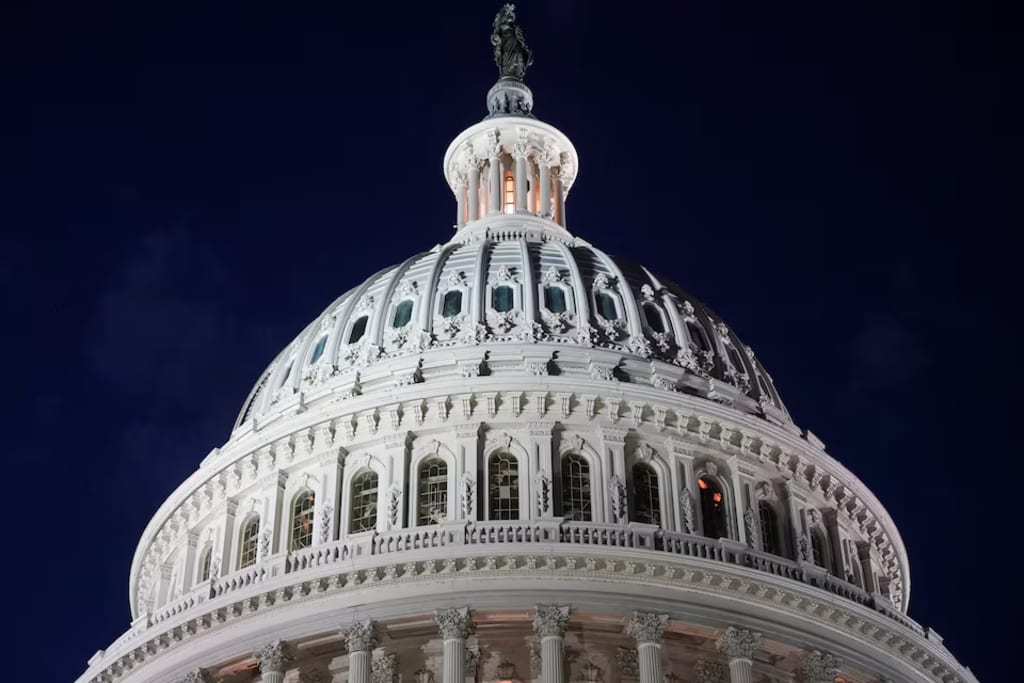
As Washington inches closer to a government shutdown deadline, the US House of Representatives is preparing to take up a bipartisan deal aimed at restoring government funding, with a pivotal vote expected on Tuesday. The move comes after days of negotiations, closed-door meetings, and mounting public pressure to keep federal agencies open and functioning.
The funding agreement, while not perfect for either party, reflects the reality of a divided Congress where compromise is often the only path forward. For millions of Americans who rely on federal services—ranging from air travel safety to social assistance programs—the upcoming House vote represents more than a procedural step. It is a test of whether lawmakers can set aside political differences to avoid disruption and economic uncertainty.
Why Government Funding Is at Risk
Government funding operates on a deadline-driven system. When Congress fails to pass appropriations bills or temporary funding measures, agencies can be forced into a shutdown. Nonessential services halt, federal workers may be furloughed, and public confidence in governance takes another hit.
In this case, funding gaps emerged after lawmakers were unable to finalize full-year spending bills. Instead, they turned to a stopgap agreement designed to temporarily restore funding and give negotiators more time to work out long-term solutions. The deal now before the House is part of that effort, crafted to bridge differences without triggering a shutdown.
What’s in the Deal?
While the full legislative text runs hundreds of pages, the core goal is straightforward: maintain current funding levels for most government operations while extending the deadline for comprehensive budget negotiations. This approach avoids major policy changes, focusing instead on stability.
Key elements reportedly include continued funding for defense and non-defense programs, protections for essential federal services, and provisions to prevent abrupt cuts that could impact national security or public welfare. Importantly, the deal does not introduce sweeping new spending initiatives, a point that has helped attract cautious support from lawmakers concerned about fiscal discipline.
However, that same restraint has drawn criticism from members who wanted deeper spending cuts or more aggressive policy riders. The agreement, like many in Congress, lives in the uncomfortable middle ground.
The Political Tightrope
House leadership faces a delicate balancing act ahead of Tuesday’s vote. With slim margins and internal divisions, especially within the majority caucus, passing the deal will likely require bipartisan backing. That means relying on votes from across the aisle—an approach that can invite backlash from more hardline factions.
Some lawmakers argue that temporary funding deals only delay tough decisions and contribute to long-term budget dysfunction. Others counter that avoiding a shutdown is the responsible choice, particularly given economic uncertainties and ongoing global challenges.
For House leaders, the immediate priority is clear: secure enough votes to move the bill forward and send it to the Senate, where a similar sense of urgency prevails.
What Happens If the Vote Fails?
If the House fails to pass the funding deal, the consequences could be swift. A shutdown would disrupt federal operations, delay government payments, and potentially impact markets already sensitive to political instability. Past shutdowns have shown that even short interruptions can have lasting effects on public trust and government efficiency.
Failure would also intensify political blame games, with each party accusing the other of brinkmanship. That scenario could further complicate future negotiations, making it harder to reach agreements on broader fiscal issues.
Public Impact and Voter Sentiment
For many Americans, government funding debates can feel distant—until services stop. Airport delays, closed national parks, and stalled benefit processing tend to shift public opinion quickly. Lawmakers are acutely aware that voters often express frustration with shutdown politics, regardless of which party they blame.
Recent polling has suggested that the public largely favors compromise to keep the government running, even if it means temporary solutions rather than sweeping reforms. This sentiment has added pressure on House members who may be ideologically opposed to the deal but wary of political fallout.
The Senate and White House Angle
Assuming the House passes the funding measure, attention will quickly turn to the Senate and the White House. Senate leaders have signaled openness to a short-term solution, emphasizing the need to avoid disruptions. The White House, for its part, has indicated support for measures that maintain government operations and protect key priorities.
Still, timing remains critical. Even small delays can create logistical challenges for agencies preparing contingency plans. That’s why Tuesday’s House vote is seen as a crucial inflection point rather than just another step in a long process.
A Familiar Pattern, A High-Stakes Moment
The current funding standoff fits a familiar pattern in modern American politics: looming deadlines, last-minute deals, and narrow votes. Yet familiarity does not lessen the stakes. Each episode reinforces perceptions about Congress’s ability—or inability—to govern effectively.
Supporters of the deal argue that it buys time and stability, allowing lawmakers to pursue more thoughtful negotiations without the pressure of an immediate shutdown. Critics worry it sets a precedent for governing through temporary fixes rather than durable solutions.
Looking Ahead
Whether the deal passes or fails, the broader budget battle is far from over. A temporary funding measure only postpones the hard conversations about spending priorities, deficits, and fiscal responsibility. Still, for now, the focus remains on Tuesday’s vote and the immediate goal of restoring government funding.
As the House prepares to take action, all eyes will be on the vote count and the political alliances that form around it. In a deeply polarized environment, even a short-term agreement can feel like a significant achievement—or a missed opportunity depending on where one stands.
What’s certain is that the outcome will shape not only the next phase of budget negotiations but also public confidence in Congress at a moment when stability feels increasingly fragile.
About the Creator
Saboor Brohi
I am a Web Contant writter, and Guest Posting providing in different sites like techbullion.com, londondaily.news, and Aijourn.com. I have Personal Author Sites did you need any site feel free to contact me on whatsapp:
+923463986212
Keep reading
More stories from Saboor Brohi and writers in The Swamp and other communities.
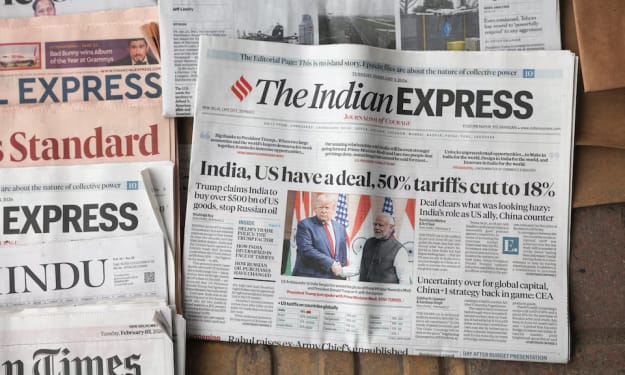
Trump's tariff cut spells relief in India despite scant details
When news broke that former U.S. President Donald Trump was considering a cut in tariffs, the reaction in India was swift and largely positive. For a country that has spent years navigating shifting trade winds with the United States, even a hint of relief from protectionist policies felt like a welcome pause. Markets steadied, exporters breathed easier, and policymakers allowed themselves a moment of cautious optimism. Yet beneath the surface, the announcement came with limited clarity, leaving businesses and analysts weighing hope against uncertainty.
By Saboor Brohi about 9 hours ago in The Swamp
A Better Greenland Deal: Redefining Arctic Diplomacy for the 21st Century
Greenland — that massive icy island up north — is suddenly back in the headlines. In early 2026, it became the center of an international stir, thanks to bold statements from U.S. leaders about its strategic value. What started as vague discussions about “total access” soon turned into diplomatic tension, protests in Copenhagen and Nuuk, and a worldwide debate about what a better Greenland deal should look like.
By Aqib Hussain5 days ago in The Swamp



Comments
There are no comments for this story
Be the first to respond and start the conversation.