
Trump's tariff cut spells relief in India despite scant details
A cautious wave of optimism moves through Indian markets as Washington signals softer trade barriers

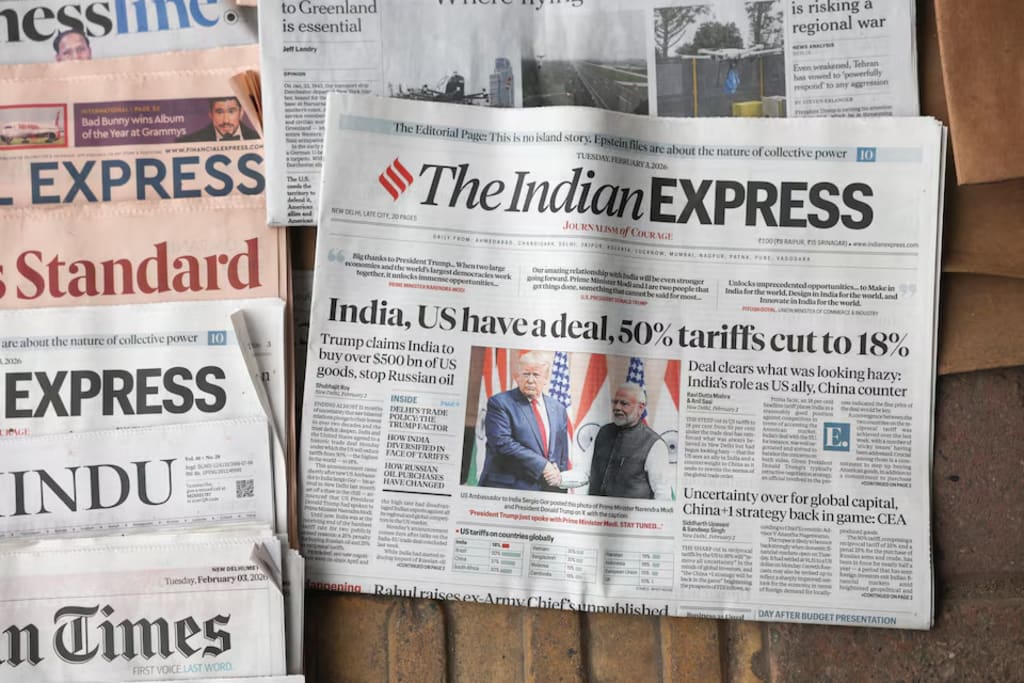
When news broke that former U.S. President Donald Trump was considering a cut in tariffs, the reaction in India was swift and largely positive. For a country that has spent years navigating shifting trade winds with the United States, even a hint of relief from protectionist policies felt like a welcome pause. Markets steadied, exporters breathed easier, and policymakers allowed themselves a moment of cautious optimism. Yet beneath the surface, the announcement came with limited clarity, leaving businesses and analysts weighing hope against uncertainty.
A Long Shadow of Tariffs
To understand why the possibility of a tariff cut matters so much to India, it helps to revisit the past decade of U.S.–India trade relations. During Trump’s presidency, tariffs became a central tool of American economic policy. While the primary focus was often China, India was not immune. Higher duties on steel, aluminum, and certain manufactured goods disrupted supply chains and added costs for Indian exporters trying to compete in the U.S. market.
India responded with its own set of countermeasures, targeting select American goods. While both sides avoided an all-out trade war, the relationship grew more transactional and less predictable. Businesses on both ends learned to operate in an environment where policy shifts could arrive suddenly, altering long-term plans overnight.
Why the New Signal Matters
Against this backdrop, Trump’s reported inclination to reduce tariffs—if carried through—represents more than a symbolic gesture. For Indian exporters, especially in sectors like textiles, auto components, engineering goods, and pharmaceuticals, lower tariffs could translate into better margins and renewed competitiveness. The U.S. remains one of India’s largest trading partners, and any easing of barriers has a direct impact on revenue and employment at home.
Financial markets reflected this sentiment almost immediately. Investor confidence ticked upward, particularly in export-oriented companies that have felt squeezed by higher costs in recent years. The Indian rupee showed signs of stability, and trade-focused stocks saw modest gains as traders priced in the possibility of improved access to the American market.
Relief Tempered by Uncertainty
Despite the positive mood, the lack of concrete details has kept enthusiasm in check. No official timeline, scope, or sector-specific breakdown has been clearly outlined. Are the proposed cuts broad-based, or will they apply only to select industries? Will they be temporary bargaining chips or part of a longer-term trade reset? These unanswered questions matter deeply to businesses making investment decisions months or years in advance.
Trade experts in India have been quick to caution against overinterpretation. They point out that tariff policy, especially under Trump, has often been used as leverage in negotiations rather than as a fixed commitment. Without formal announcements or signed agreements, companies are wary of expanding capacity or entering new contracts based solely on preliminary signals.
Strategic Implications for India
From a policy perspective, the development places India at an interesting crossroads. On one hand, lower U.S. tariffs could strengthen India’s export-led growth strategy at a time when global demand remains uneven. On the other, it underscores the importance of diversifying trade partnerships to reduce dependence on any single market’s political mood.
In recent years, India has accelerated efforts to deepen ties with the European Union, Southeast Asia, and emerging markets in Africa and Latin America. A potential easing of U.S. tariffs does not negate this strategy, but it does offer breathing room. Policymakers may use this window to push for more balanced trade terms, focusing on technology transfer, services, and digital trade—areas where India holds competitive advantages.
Domestic Industries Watch Closely
Different sectors within India are responding in different ways. Manufacturing-heavy industries, which bore the brunt of earlier tariff hikes, are among the most optimistic. For small and medium-sized exporters, even marginal tariff reductions can mean the difference between profit and loss.
Meanwhile, agricultural producers are more cautious. Past trade negotiations have often linked tariff relief to market access demands that can be politically sensitive in India. Farmers’ groups and domestic producers remain alert to the possibility that gains in one area could come with concessions in another.
The Political Dimension
There is also a broader geopolitical layer to consider. U.S.–India relations have generally trended upward over the past decade, driven by shared strategic interests. Trade, however, has remained a persistent friction point. A move toward tariff reduction could signal an attempt to reset the economic side of the relationship, aligning it more closely with strategic cooperation.
For Trump, such a move may also carry domestic political calculations, aimed at balancing protectionist rhetoric with economic pragmatism. For India, the challenge lies in engaging constructively without overcommitting to promises that may shift with the political cycle.
A Moment of Cautious Hope
In the end, Trump’s tariff cut signal has delivered something India values deeply in uncertain global times: a sense of possibility. It has reminded markets and policymakers alike that trade relationships are dynamic and that even entrenched policies can evolve. Yet the relief remains provisional, contingent on details that have yet to emerge.
Until clarity arrives, India’s response is likely to remain measured. Businesses will monitor developments closely, policymakers will keep negotiations flexible, and investors will balance optimism with realism. The headline may suggest relief, but the story is still unfolding—one policy announcement away from either solid progress or renewed ambiguity.
For now, India stands cautiously hopeful, ready to seize opportunity if it materializes, but seasoned enough to know that in global trade, promises matter most when they are written, signed, and sustained.
About the Creator
Saboor Brohi
I am a Web Contant writter, and Guest Posting providing in different sites like techbullion.com, londondaily.news, and Aijourn.com. I have Personal Author Sites did you need any site feel free to contact me on whatsapp:
+923463986212
Keep reading
More stories from Saboor Brohi and writers in The Swamp and other communities.
U.S. Government Shutdown
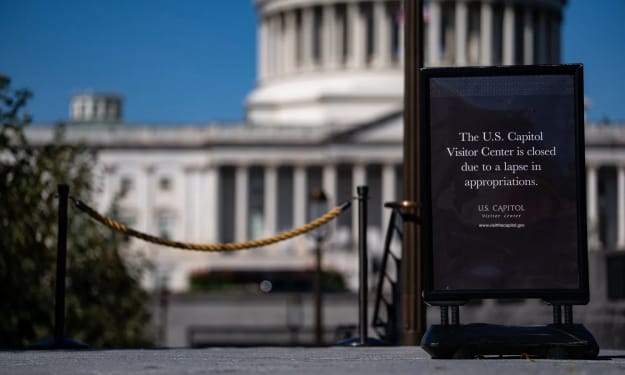
A U.S. government shutdown is one of the most visible signs of political deadlock in Washington. When it happens, it disrupts federal services, sends hundreds of thousands of workers into uncertainty, and creates ripple effects across the economy. Although the term often trends during moments of crisis, shutdowns are not rare events—they are the result of a specific budget process failing to reach completion.
By Saboor Brohi 4 days ago in The Swamp
Iran Warns of ‘Hazardous Consequences’ After EU Designates Revolutionary Guard as a Terrorist Organization
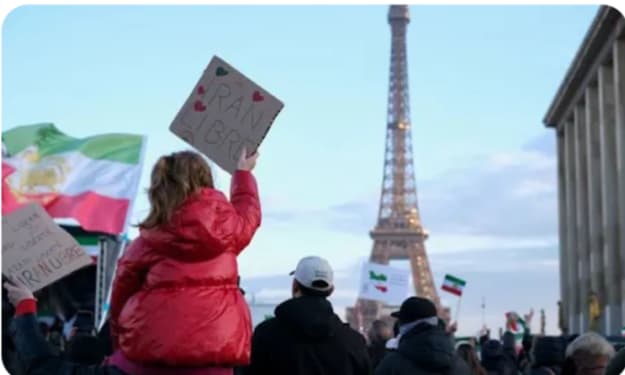
The political temperature between Iran and the European Union has reached a boiling point. In a historic and controversial move, the EU officially designated Iran’s Islamic Revolutionary Guard Corps (IRGC) as a terrorist organization. Tehran responded with sharp warnings, saying the decision would bring “hazardous consequences” for Europe and regional stability.
By Sajida Sikandar5 days ago in The Swamp

Comments
There are no comments for this story
Be the first to respond and start the conversation.