
US China Trade War Pause Extended Amid Ongoing Negotiations
In the latest chapter of a years long economic standoff, the United States and China have agreed to extend their temporary pause in the ongoing trade war.


Introduction
In the latest chapter of a years long economic standoff, the United States and China have agreed to extend their temporary pause in the ongoing trade war. The decision, announced by the White House late Sunday, pushes back the tariff hike deadline by another 90 days. While this delay offers some relief to industries and global markets rattled by months of uncertainty, it also underscores how deep and unresolved the tensions between the two largest economies remain.
The extension gives negotiators more time to iron out disagreements over tariffs, intellectual property, market access, and state subsidies. But analysts warn that without meaningful concessions from both sides, this truce could be nothing more than a momentary lull before the next round of hostilities.
Background: How We Got Here
The U.S.–China trade dispute has been brewing for years, but it reached a boiling point during Donald Trump’s presidency. Trump argued that China had long engaged in unfair trade practices from alleged intellectual property theft to restrictive market access for U.S. companies. His administration’s solution was a series of escalating tariffs aimed at pressuring Beijing to make concessions.
In 2018, the U.S. imposed billions of dollars’ worth of tariffs on Chinese goods. China responded with retaliatory measures, targeting American agricultural products, automobiles, and other key exports. The tit-for-tat escalations sent shockwaves through global markets and disrupted supply chains.
Previous negotiations have produced mixed results. While there were moments of optimism such as the signing of the “Phase One” trade deal in January 2020 the core issues were never fully resolved. As a result, tensions persisted, setting the stage for today’s fragile truce.
Why the Pause Matters Now
This latest extension of the tariff deadline comes at a critical time for both countries.
For the United States, the economic landscape is complex. Inflationary pressures remain high, consumer confidence is fragile, and the manufacturing sector is still struggling to recover from pandemic-era disruptions. Higher tariffs would likely increase costs for American businesses and consumers, potentially derailing economic momentum.
For China, slowing growth, a struggling property market, and ongoing youth unemployment challenges have made economic stability a top priority. A full-blown tariff escalation could further weaken investor confidence and hamper export-driven industries.
Global markets reacted cautiously to the announcement. Stock indexes in Asia and Europe saw modest gains, while commodity prices remained stable. The U.S. dollar slipped slightly against the yuan, reflecting hopes that the truce could lead to longer-term stability.
Key Points of Contention
Although both sides have agreed to keep talking, the negotiations will not be easy.
- Intellectual Property Rights The U.S. has long accused China of inadequate enforcement of intellectual property laws, leading to widespread counterfeiting and corporate espionage. Beijing has promised reforms, but Washington argues that progress has been slow.
- Market Access U.S. companies continue to face barriers in entering Chinese markets, from licensing restrictions to regulatory red tape. Opening these markets remains a central demand for the U.S. negotiating team.
- State Subsidies Many American officials argue that China’s state subsidies give its domestic companies an unfair advantage in global markets. Addressing this issue could be one of the most politically sensitive parts of the talks.
- Trade Imbalance The U.S. still runs a significant trade deficit with China, a statistic that Trump and his allies often highlight as evidence of unfair trade practices.
Political Calculations on Both Sides
The decision to extend the pause is not just an economic move it’s also deeply political.
In the U.S., Donald Trump is gearing up for another election cycle. A sudden tariff spike could alienate key voter groups, particularly farmers and manufacturers, who have already felt the pinch of past trade disputes. By extending the truce, Trump can position himself as both tough on China and pragmatic enough to avoid unnecessary economic pain.
For China’s leadership, the stakes are equally high. President Xi Jinping faces domestic challenges ranging from economic slowdown to public discontent over recent policy shifts. Avoiding a trade escalation allows Beijing to focus on stabilizing the economy without appearing weak in front of a global audience.
Economic Impact of the Truce
While the 90-day extension offers breathing room, it is not a permanent fix. Still, even temporary stability has benefits:
- For Businesses Manufacturers that rely on Chinese imports can avoid immediate cost spikes, allowing them to plan inventory and pricing strategies more effectively.
- For Farmers U.S. agricultural exports to China, particularly soybeans and pork, are less likely to face new retaliatory tariffs in the short term.
- For Consumers The delay may help prevent further price hikes on everyday goods, from electronics to clothing.
- For Global Markets Investors prefer stability, and even a short term truce can calm market volatility.
However, economists caution that uncertainty remains high. Many businesses remain hesitant to make long-term investments or hiring decisions while the trade war looms in the background.
International Reactions
The U.S. China trade war has ripple effects far beyond Washington and Beijing.
- European Union EU leaders have expressed cautious optimism about the truce but continue to push for their own trade protections against Chinese competition.
- Southeast Asia Some countries, like Vietnam and Malaysia, have benefited from supply chain shifts as companies diversify away from China.
- Global Institutions The World Trade Organization has repeatedly urged both countries to resolve their disputes through multilateral frameworks rather than unilateral tariffs.
Challenges Ahead
Extending the truce is easier than resolving the underlying issues. Both sides face entrenched political positions, and neither wants to be seen as making too many concessions.
Complicating matters further, other geopolitical tensions from Taiwan to cybersecurity concerns could spill over into trade negotiations. Even if economic issues are addressed, mistrust between Washington and Beijing runs deep.
Potential Scenarios After 90 Days
- Breakthrough Deal Both sides agree to significant concessions, leading to reduced tariffs and a more stable trade relationship.
- Partial Agreement Some issues are resolved, but others remain contentious, leading to a limited deal and further negotiations.
- Return to Escalation Talks collapse, tariffs rise, and the trade war resumes in full force.
The most likely outcome, according to analysts, is a partial agreement one that allows both leaders to claim victory while leaving the hardest issues unresolved.
Final Thoughts
The extension of the U.S. China trade war pause offers a rare moment of calm in an otherwise turbulent relationship. For now, businesses, consumers, and global markets can breathe a little easier. But unless negotiators can turn this truce into a lasting agreement, the underlying tensions will resurface and the economic fallout could be severe.
The next 90 days will be critical. Both sides have much to gain from compromise, but also much to lose if talks fail. As history has shown, trade wars are easier to start than to end. The world will be watching closely to see whether this pause marks the beginning of a new chapter in U.S. China relations, or merely a brief intermission before the next round of economic conflict.
About the Creator
The Saddest Thing - The Billionaires Who Rule America Aren't Even Enjoying Themselves
This single post says more about our ruling class than a thousand policy papers. The saddest thing about today's system is that the men robbing the rest of us - sabotaging our economic prospects, our pensions, our access to affordable healthcare - are not even happy.
By Scott Christenson🌴24 days ago in The Swamp
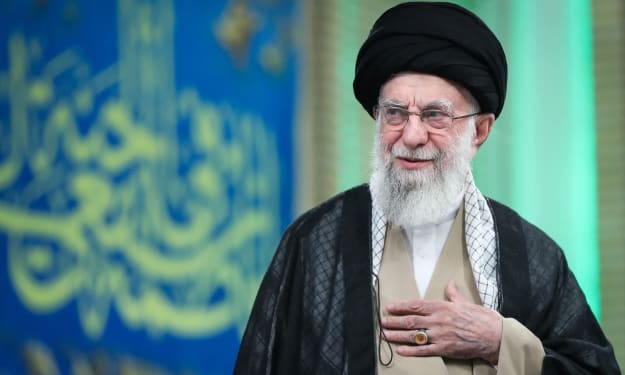
Iran Leader Death: Power, Uncertainty, and What Comes Next
When news spreads about the possible death of a national leader, a country holds its breath. In Iran, leadership is not just political. It is religious, historical, and deeply symbolic. The phrase iran leader death carries weight far beyond a headline. It signals uncertainty, speculation, and questions about stability. For millions of Iranians, leadership affects daily life, from economic policies to social freedoms. For the wider world, it shapes regional security and global diplomacy. When discussions about iran leader death surface, they trigger more than curiosity. They raise concerns about succession, public reaction, and the future direction of a nation already facing internal and external pressure. To understand the implications, we must look at Iran’s leadership structure, history, and the fragile balance of power that defines it.
By Muqadas khana day ago in The Swamp



Comments
There are no comments for this story
Be the first to respond and start the conversation.