
US Allies Won’t Forget the Trump Greenland Crisis
How a Bizarre Proposal Became a Lasting Diplomatic Wound
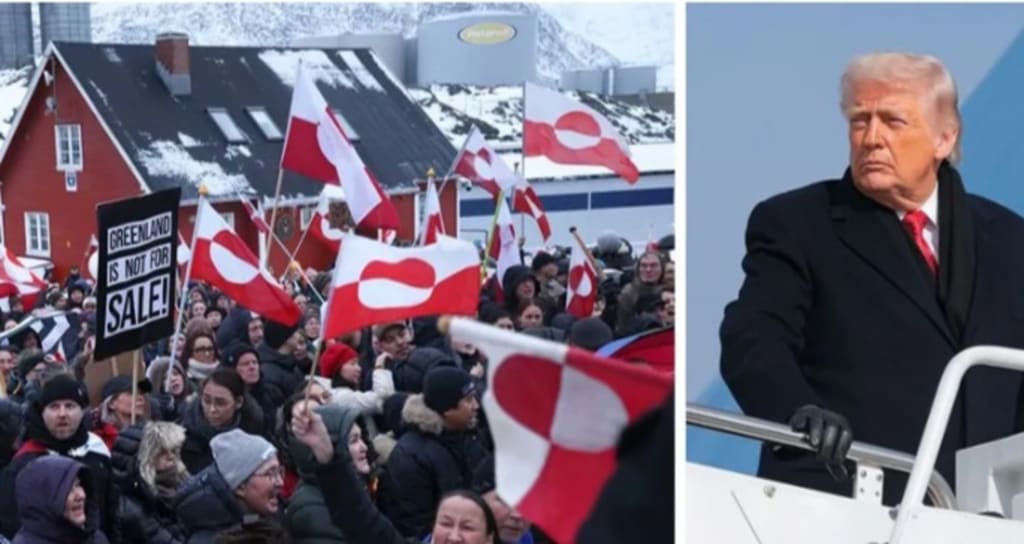
When former U.S. President Donald Trump reportedly suggested buying Greenland in 2019, the idea was initially treated as a joke—another odd headline in an already unconventional presidency. But what followed was no laughing matter for America’s allies. The so-called Greenland crisis quickly evolved into a diplomatic embarrassment, straining relations with Denmark and raising deeper concerns among U.S. partners about Washington’s reliability, respect, and understanding of international norms. Years later, the echoes of that moment still linger in global diplomacy, and U.S. allies have not forgotten.
A Proposal That Shocked Allies
Greenland, an autonomous territory within the Kingdom of Denmark, is not merely a piece of real estate—it is a land with its own people, culture, and political aspirations. Trump’s reported interest in purchasing it, framed in transactional and corporate language, stunned European leaders. Danish Prime Minister Mette Frederiksen publicly rejected the idea, calling it “absurd,” which prompted Trump to cancel a planned state visit to Denmark.
This escalation transformed what could have been dismissed as a bizarre comment into a full-blown diplomatic rift. For allies accustomed to discreet negotiations and mutual respect, the episode symbolized a breakdown in traditional American diplomacy.
The Deeper Issue: Transactional Foreign Policy
The Greenland episode was not an isolated incident. It reflected a broader pattern in Trump’s foreign policy—viewing alliances through a transactional lens. NATO partners were criticized for defense spending, long-standing trade relationships were reframed as unfair deals, and allies were often addressed publicly rather than through diplomatic channels.
For many U.S. allies, Greenland became a metaphor. It symbolized an America that appeared less interested in partnership and more focused on unilateral advantage. The concern was not about Greenland itself, but about what the proposal revealed: a willingness to treat sovereign nations and their territories as bargaining chips.
Why Greenland Actually Matters
Ironically, beneath the clumsy diplomacy lay real strategic importance. Greenland occupies a critical position in the Arctic, a region increasingly shaped by climate change, resource competition, and military interest from Russia and China. The U.S. already maintains a military presence there through Thule Air Base, with Denmark’s cooperation.
Rather than strengthening Arctic cooperation, however, Trump’s approach undermined trust. Allies worried that legitimate strategic concerns were being overshadowed by impulsive rhetoric and a lack of consultation. In diplomacy, how something is done can matter as much as what is done—and in this case, the damage outweighed any strategic gain.
A Lasting Memory in Europe
European allies, particularly smaller nations, are highly sensitive to signs of disrespect or marginalization. Denmark, a loyal NATO member that had supported U.S. military missions for decades, felt publicly humiliated. The cancellation of the state visit reinforced the perception that alliances were conditional and easily discarded.
These moments accumulate. Diplomats may move on, but institutions remember. Policy planners in Europe increasingly discuss “strategic autonomy”—not as an anti-American stance, but as a hedge against unpredictable leadership in Washington. The Greenland crisis became part of the evidence cited in those conversations.
Rebuilding Trust Takes Time
Subsequent U.S. administrations have worked to reassure allies, emphasizing multilateralism and diplomatic norms. Yet trust, once shaken, does not automatically reset with a change in leadership. Allies now plan with contingencies in mind, aware that American politics can swing dramatically.
The Greenland episode remains a reference point—a cautionary tale about how quickly relations can sour when diplomacy gives way to spectacle. It serves as a reminder that global leadership is not only about power, but about restraint, respect, and consistency.
Lessons the World Learned
For U.S. allies, the Greenland crisis reinforced several lessons:
First, American foreign policy can change abruptly. Second, even long-standing partnerships are not immune to public pressure or personal grievances. Third, symbolic gestures—such as canceled visits or dismissive remarks—can have outsized diplomatic consequences.
For the United States, the lesson is equally clear. Leadership in the modern world requires more than economic or military strength. It requires cultural awareness, respect for sovereignty, and an understanding that allies are not subsidiaries.
Conclusion
The Trump Greenland crisis may seem minor compared to wars or trade conflicts, but its significance lies in what it revealed. It exposed fractures in alliance management and left a mark on how U.S. intentions are perceived abroad. While headlines have moved on, memories remain.
U.S. allies have not forgotten Greenland—not because of the island itself, but because of what the moment represented. In global politics, credibility is hard to earn and easy to lose. The Greenland crisis stands as a reminder that even a single ill-considered proposal can reshape how a nation is viewed on the world stage.
About the Creator
Keep reading
More stories from Ayesha Lashari and writers in The Swamp and other communities.
Trump Ties Greenland Demands to Nobel Peace Prize Snub in Diplomatic Message to Norway
In a striking and unprecedented diplomatic move, U.S. President Donald Trump has linked his high-stakes push to assert control over Greenland with his frustration over not receiving the Nobel Peace Prize — in a message sent to Norway’s Prime Minister Jonas Gahr Støre. This bizarre linkage has amplified tensions between Washington and its closest allies, rekindling fears of a transatlantic crisis and trade conflict involving NATO and the European Union.�
By Ayesha Lashariabout 18 hours ago in The Swamp
What Is ICE and What Powers Do Its Agents Have to Use Force?
Immigration and Customs Enforcement, commonly known as ICE, is one of the most debated and scrutinized law enforcement agencies in the United States. Frequently appearing in headlines related to immigration enforcement, border security, and public protests, ICE often raises questions about what it does, how it operates, and the authority its agents have to use force. Understanding ICE’s role and legal powers is essential for grasping how immigration law is enforced in the US and where the limits of that enforcement lie.
By Salaar Jamali6 days ago in The Swamp


Comments
There are no comments for this story
Be the first to respond and start the conversation.